








Cabanes
Galerie

Galerie
Cabanes ist ein Reiseziel, an dem Sie historisches Erbe entdecken, die Küste genießen und ein Naturschutzgebiet erkunden können. Die wichtigsten Sehenswürdigkeiten lassen sich in drei große Bereiche unterteilen: die Altstadt mit ihrer Stadtmauer, das Kulturerbe der näheren Umgebung mit dem symbolträchtigen römischen Bogen, den Burgen und den historischen Kriegsdenkmälern sowie die Küste mit dem Naturpark El Prat de Cabanes-Torreblanca, der für seine Verteidigungstürme und naturbelassenen Strände bekannt ist.
Mit diesem Reiseführer wird es ein Leichtes, Ihre Unternehmungen und Ausflüge in Cabanes, in der Provinz Castellón, zu planen. Bereiten Sie Ihren Urlaub in dieser charmanten Gemeinde des Landkreises La Plana Alta vor und freuen Sie sich auf kulturelle Besichtigungen, Geschichte und Wanderwege in einem beeindruckenden Naturpark.
Was gibt es in Cabanes, Castellón, zu sehen: Historisches und monumentales Erbe
Damit Sie nichts verpassen, haben wir diesen Reiseführer für Cabanes in zwei Kategorien unterteilt. Die Monumente der Altstadt sowie die in der näheren Umgebung verstreuten Sehenswürdigkeiten.
In der Altstadt
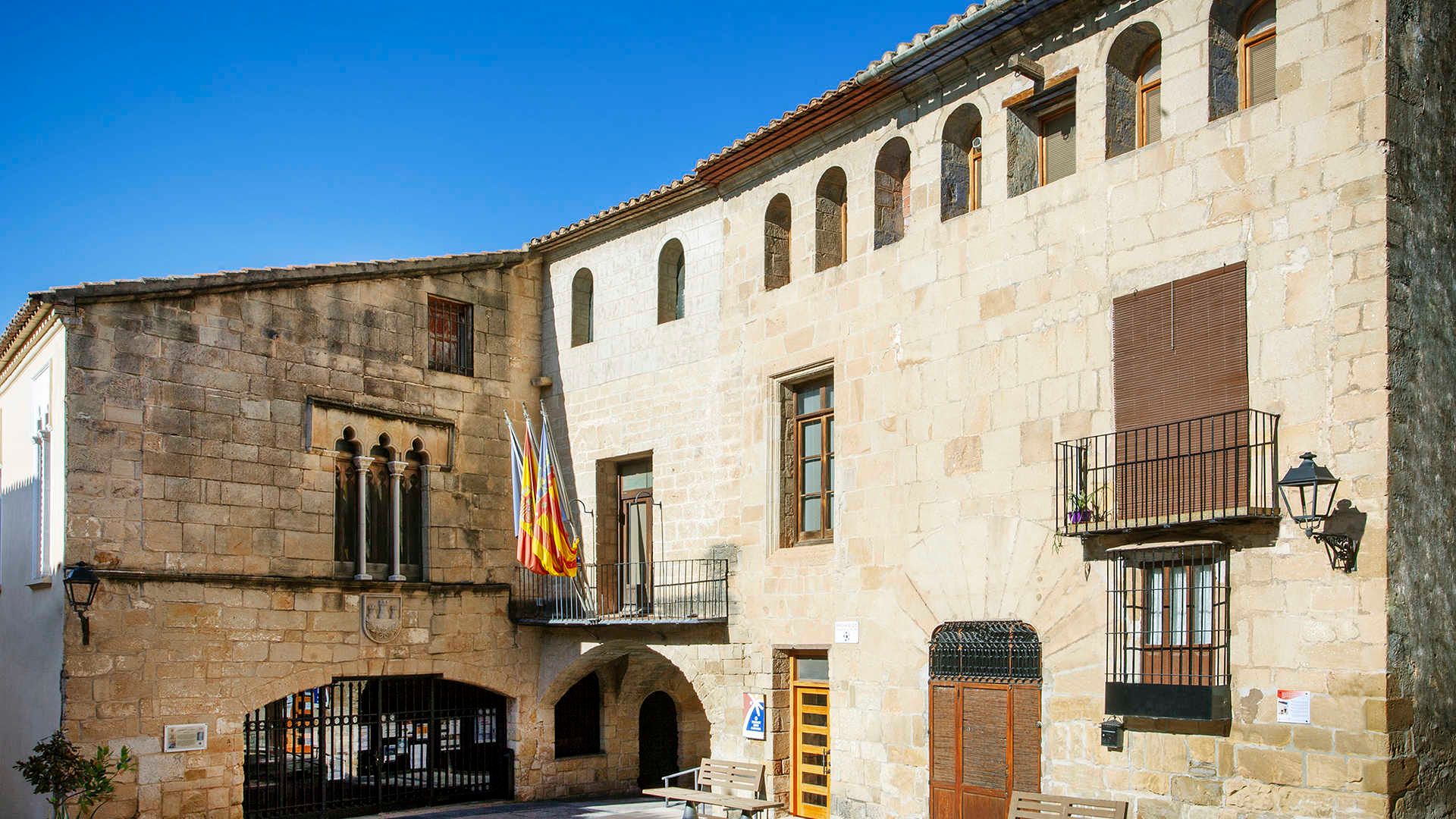
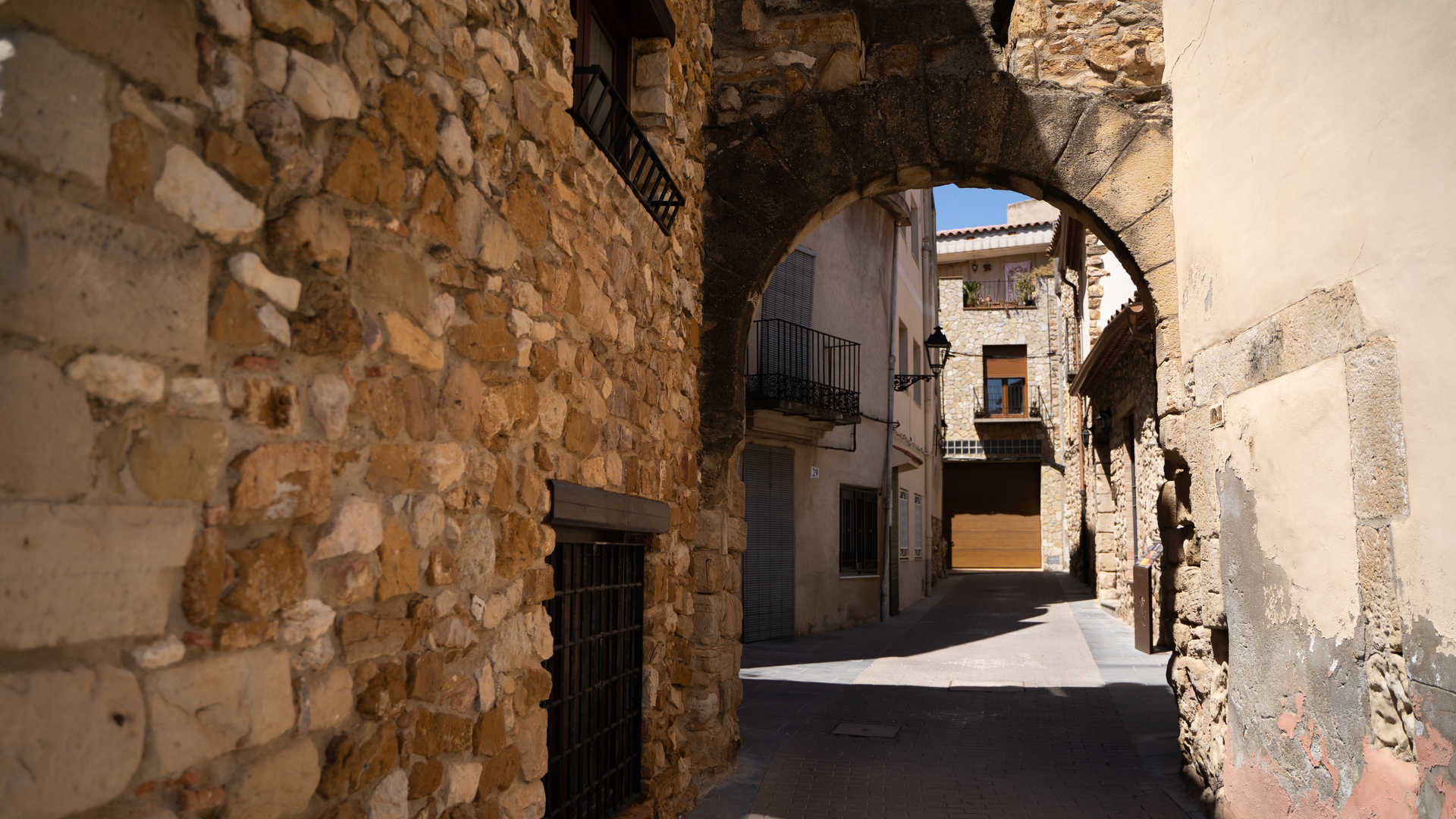
Bei einem Spaziergang entlang der antiken Stadtmauern von Cabanes und durch die verwinkelten Gassen werden Sie sich wie auf einer Reise ins Mittelalter fühlen:
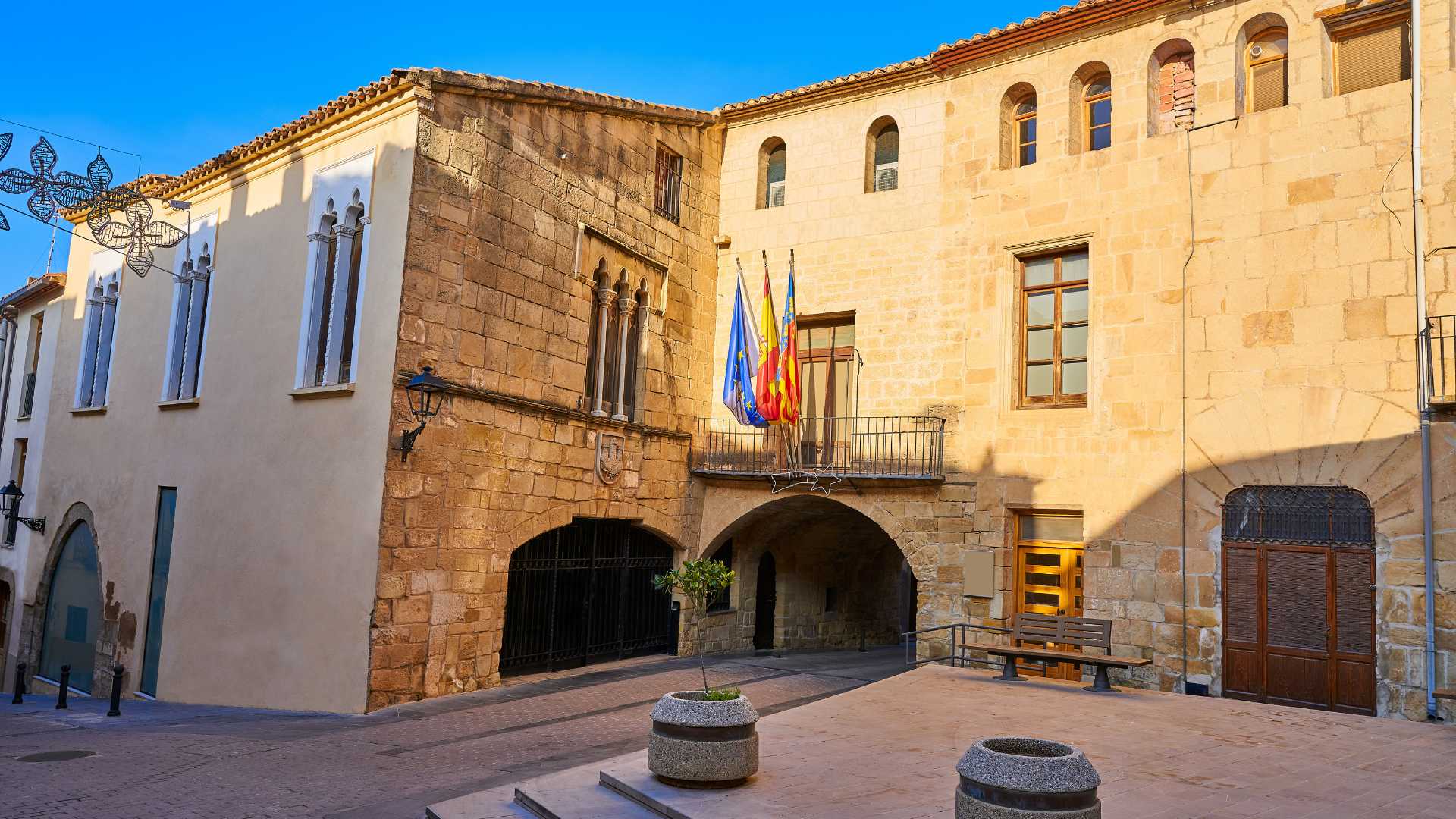
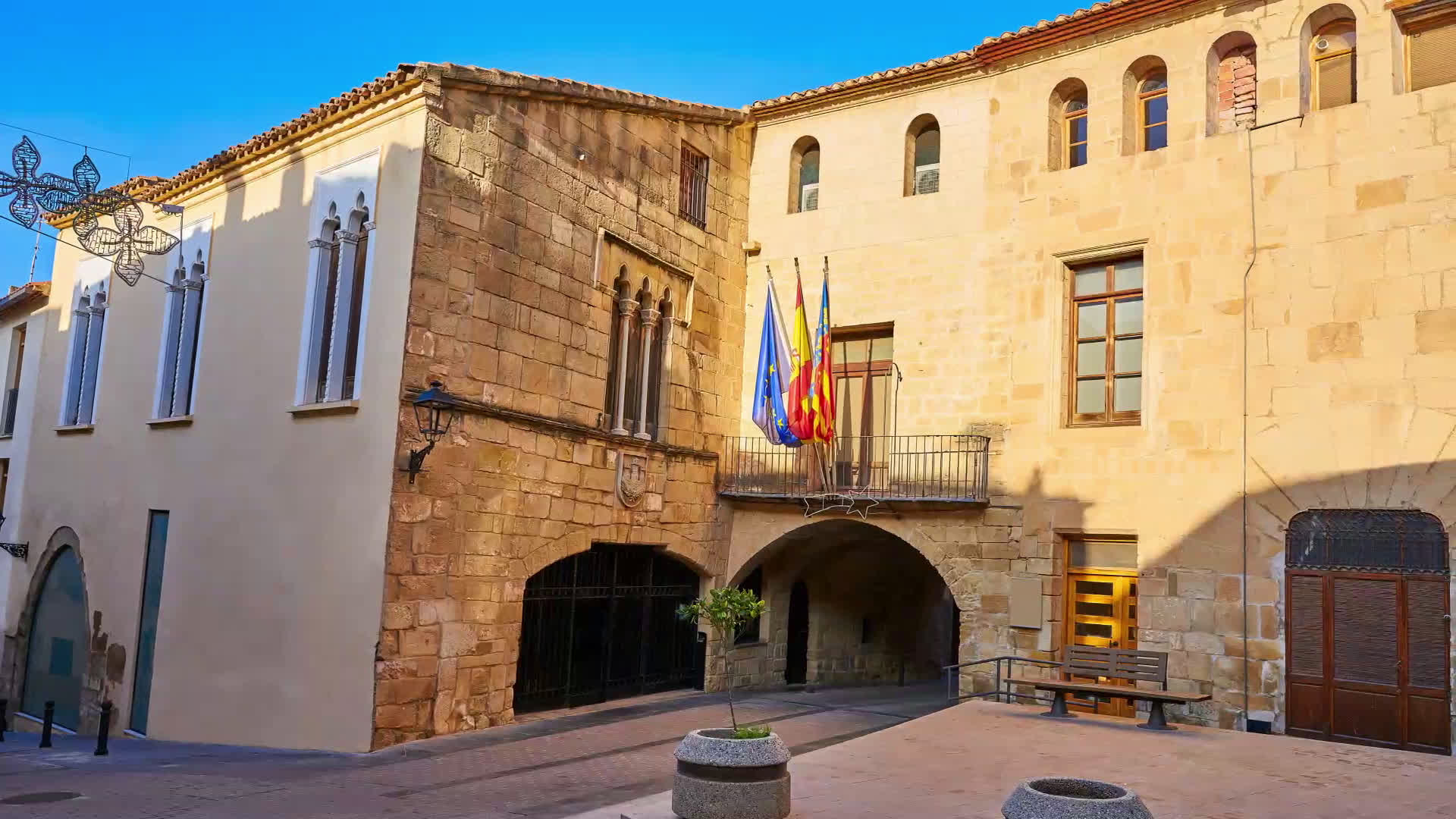
Das Rathaus: Ein authentisches Wahrzeichen der Altstadt.
Die Arkade bzw. Llotgeta del Mustaçafe: Einer der bekanntesten architektonischen Orte der Altstadt.
Das ehemalige Gefängnis und die Überreste der Stadtmauer: Noch heute sind historische Torbögen wie die Sitja und San José zu sehen, ebenso wie antike Wehrtürme, die mittlerweile in die Struktur der Wohnhäuser integriert sind.
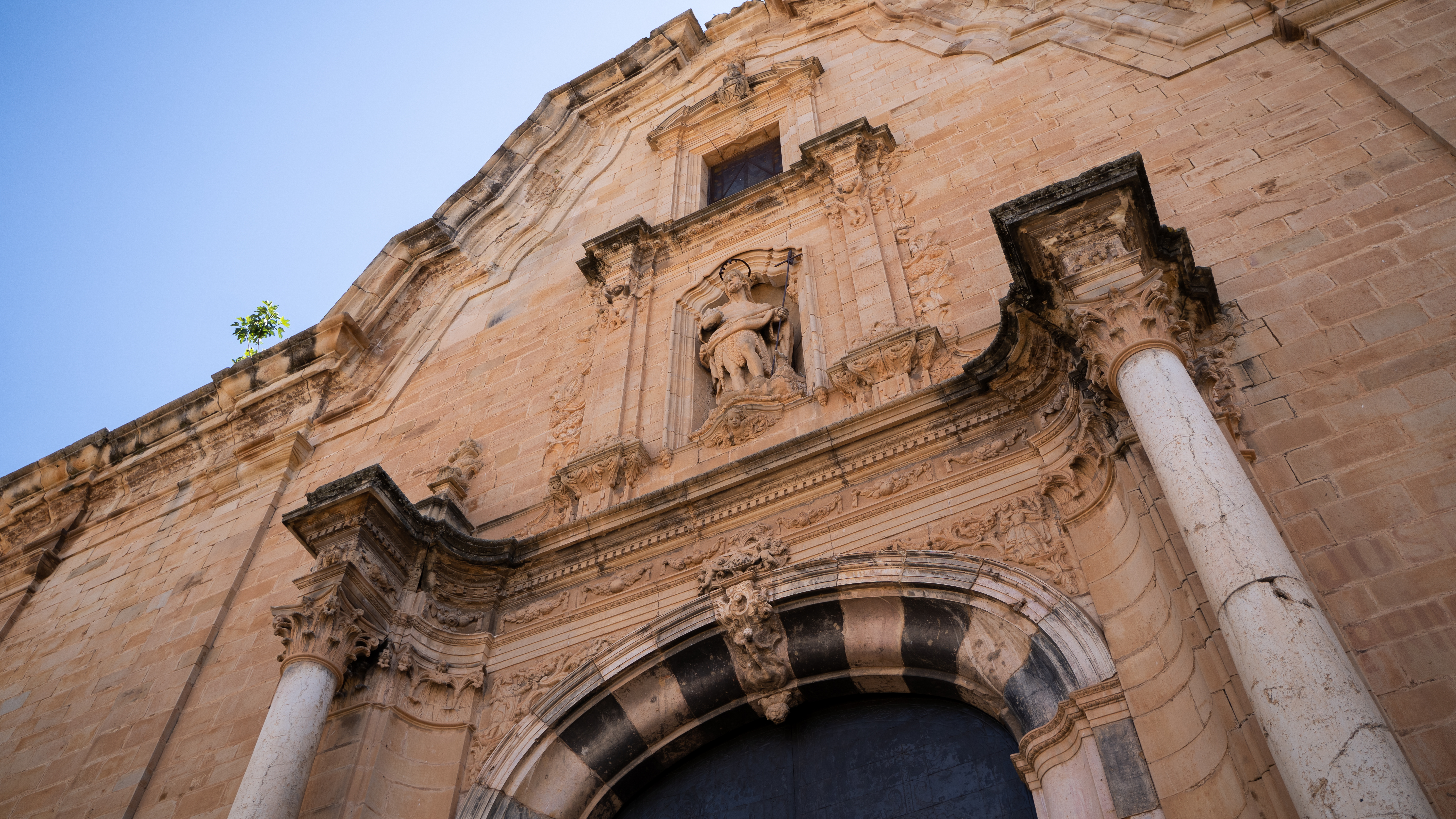
Die Pfarrkirche San Juan Bautista: Eine im 18. Jahrhundert erbaute Barockkirche.
Die Einsiedelei El Calvario: Im oberen Ortsteil gelegen, bietet sie einen herrlichen Panoramablick auf das Dorf.
In der näheren Umgebung der Gemeinde
Nur wenige Minuten vom Zentrum entfernt befinden sich Fundstätten von bedeutendem historischem und archäologischem Wert:
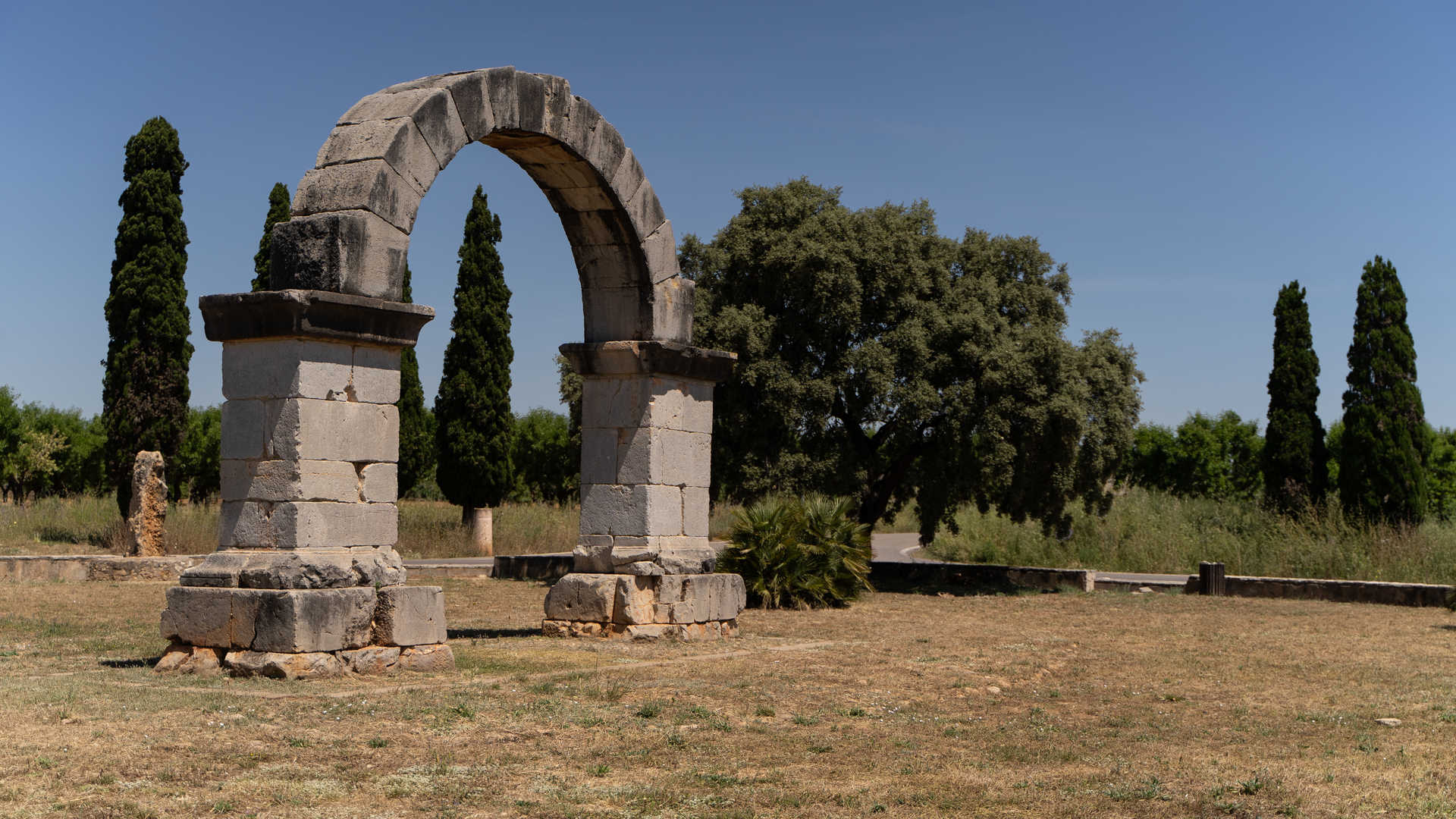
Der römische Bogen von Cabanes: Aus dem 2. Jahrhundert v. Chr. stammend und direkt an der Trasse der antiken Via Augusta gelegen, ist dieser Bogen das unbestrittene Wahrzeichen der Gemeinde.
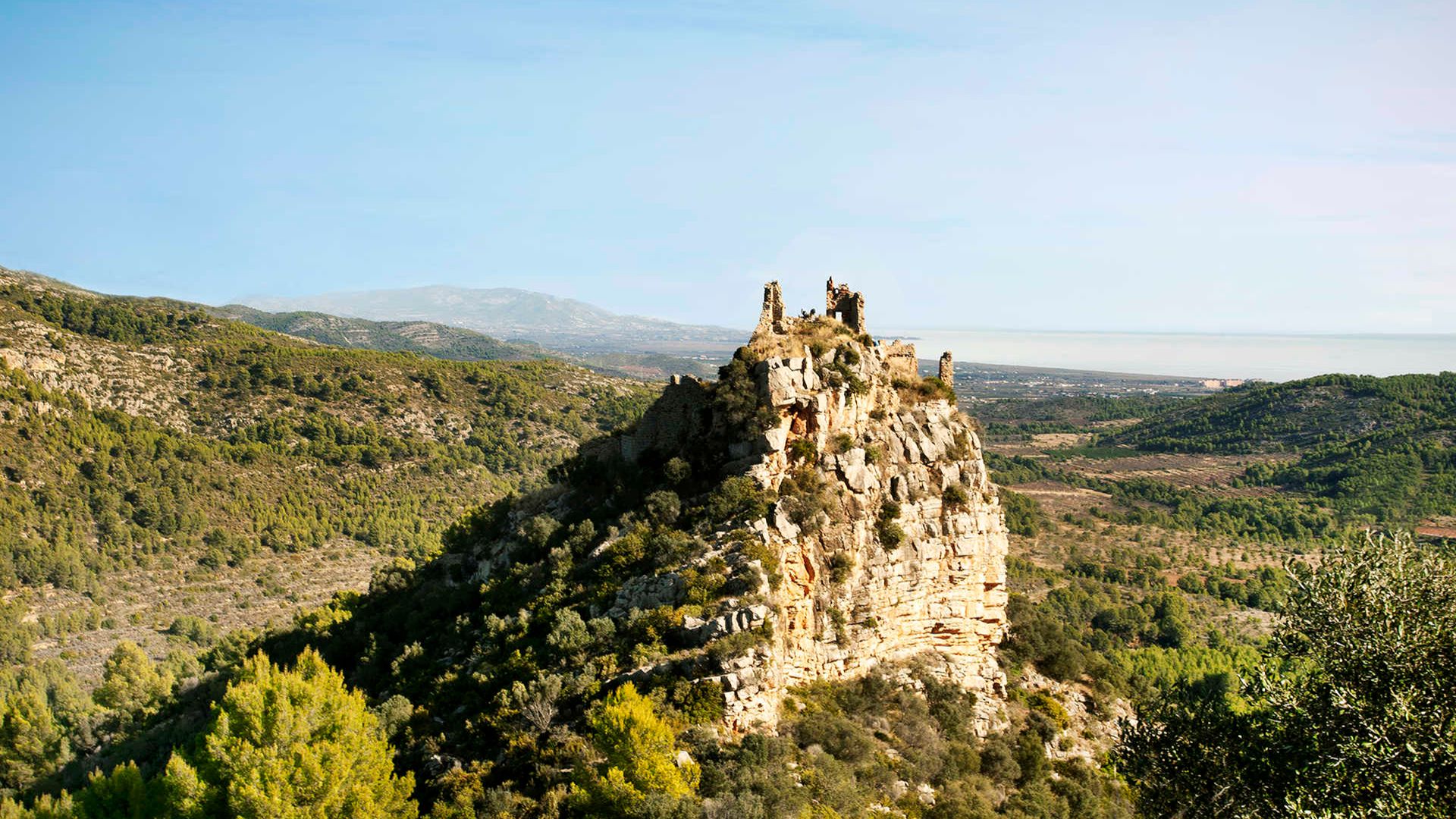
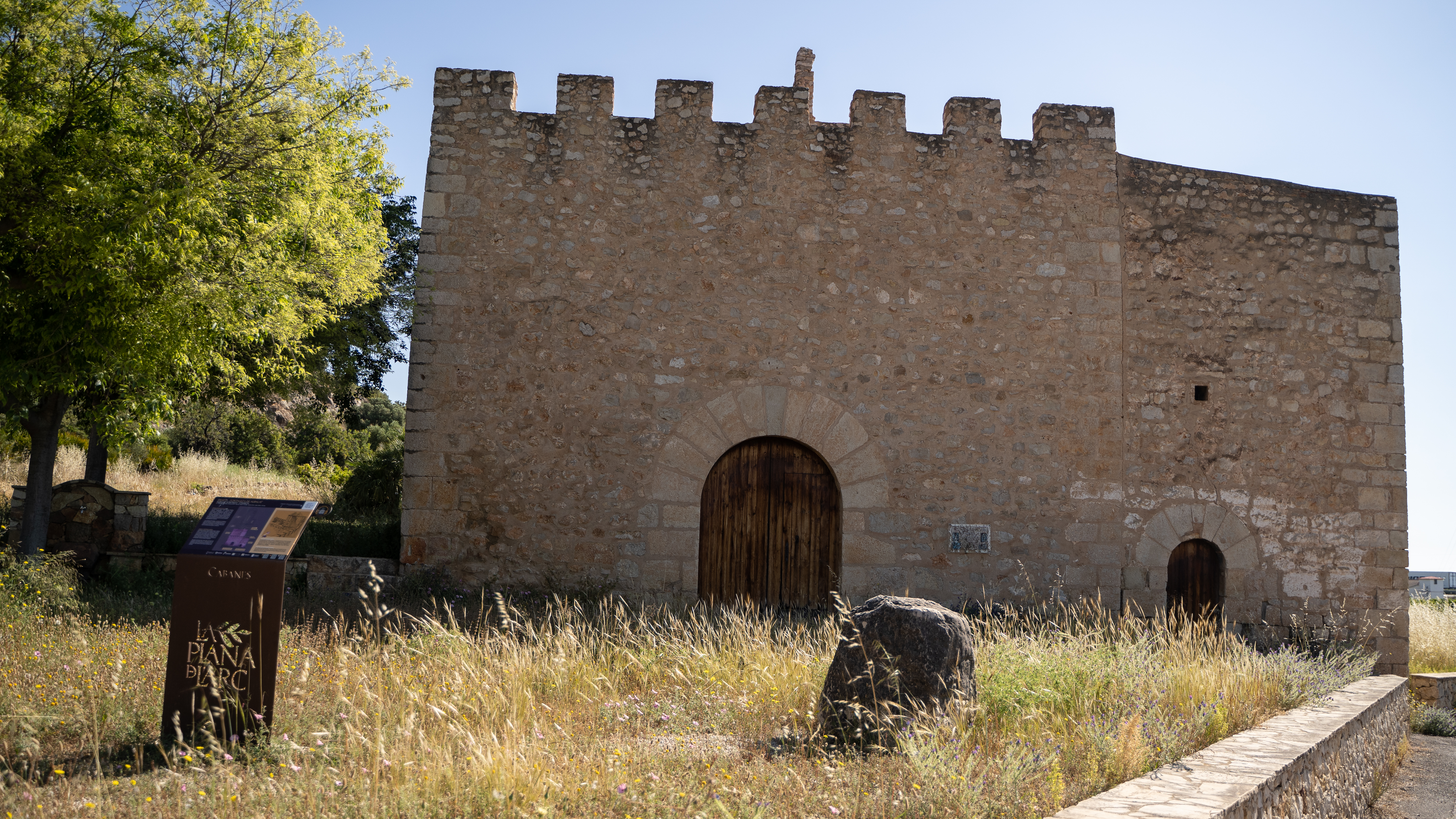
Die Burg Albalat und die befestigte Einsiedelei Albalat: Eine Verteidigungsanlage aus dem 13. Jahrhundert, von der aus man ein beeindruckendes Panorama geboten bekommt.
Die Burg Miravet: Eine Festung muslimischen Ursprungs inmitten einer einzigartigen Naturlandschaft.
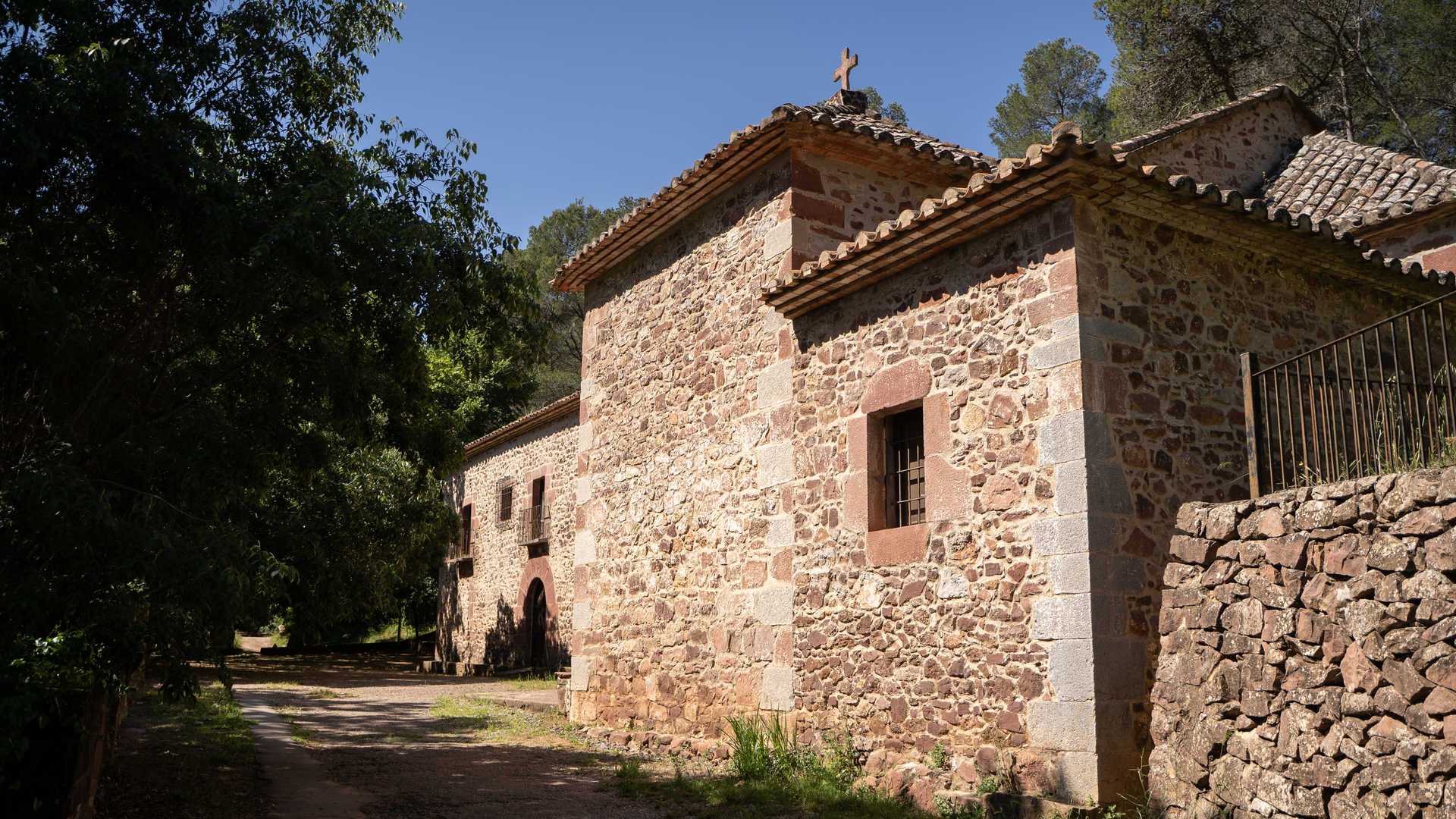
Die Einsiedelei Santa Águeda y Santa Lucía: In der malerischen Landschaft von Les Santes gelegen, ist sie ein tolles Ausflugsziel für eine Wanderung.
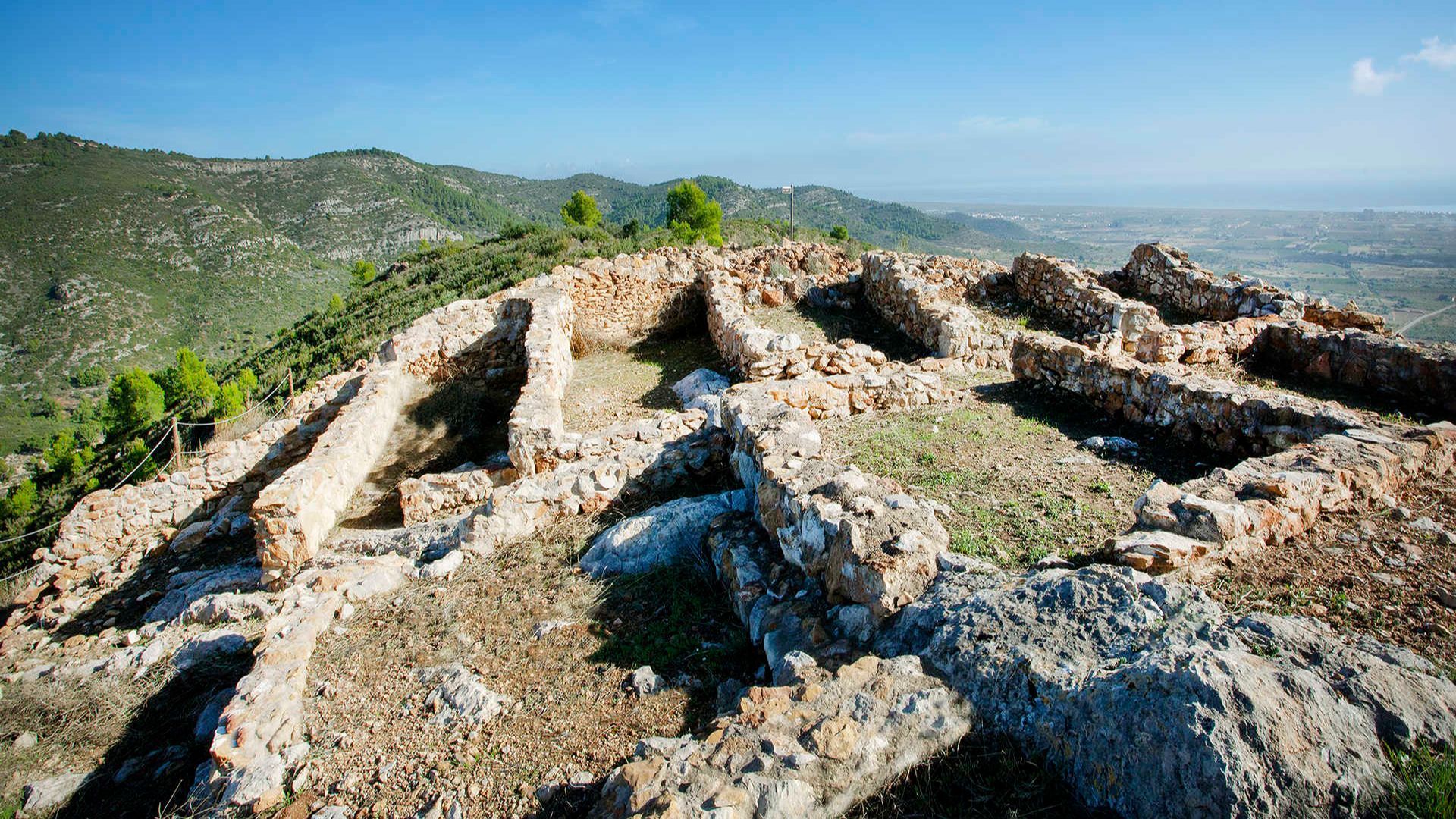
Tossal del Mortorum: Eine archäologische Stätte mit Überresten aus der Bronzezeit und der iberischen Epoche.
Molinet de Vent de la Partida de la Forqueta: Dabei handelt es sich um die Überreste eines alten vorindustriellen Bauwerks.
Kriegserbe: Es gibt gleich mehrere Beispiele für neuere Militärarchitektur, wie das ehemalige Maschinengewehrnest, die Schützengräben oder der Beobachtungsposten.
Wo befindet sich der römische Bogen von Cabanes und welche Geschichte steckt dahinter?
Dieses historische Bauwerk liegt an der Trasse der antiken Via Augusta und wurde im 2. Jahrhundert v. Chr., wahrscheinlich als privates Grabdenkmal, errichtet. Dieses fast 6 Meter hohe Denkmal von schlichter Bauweise ist heutzutage ein wertvolles Zeugnis der römischen Epoche in der Provinz Castellón.
Naturpark El Prat de Cabanes-Torreblanca
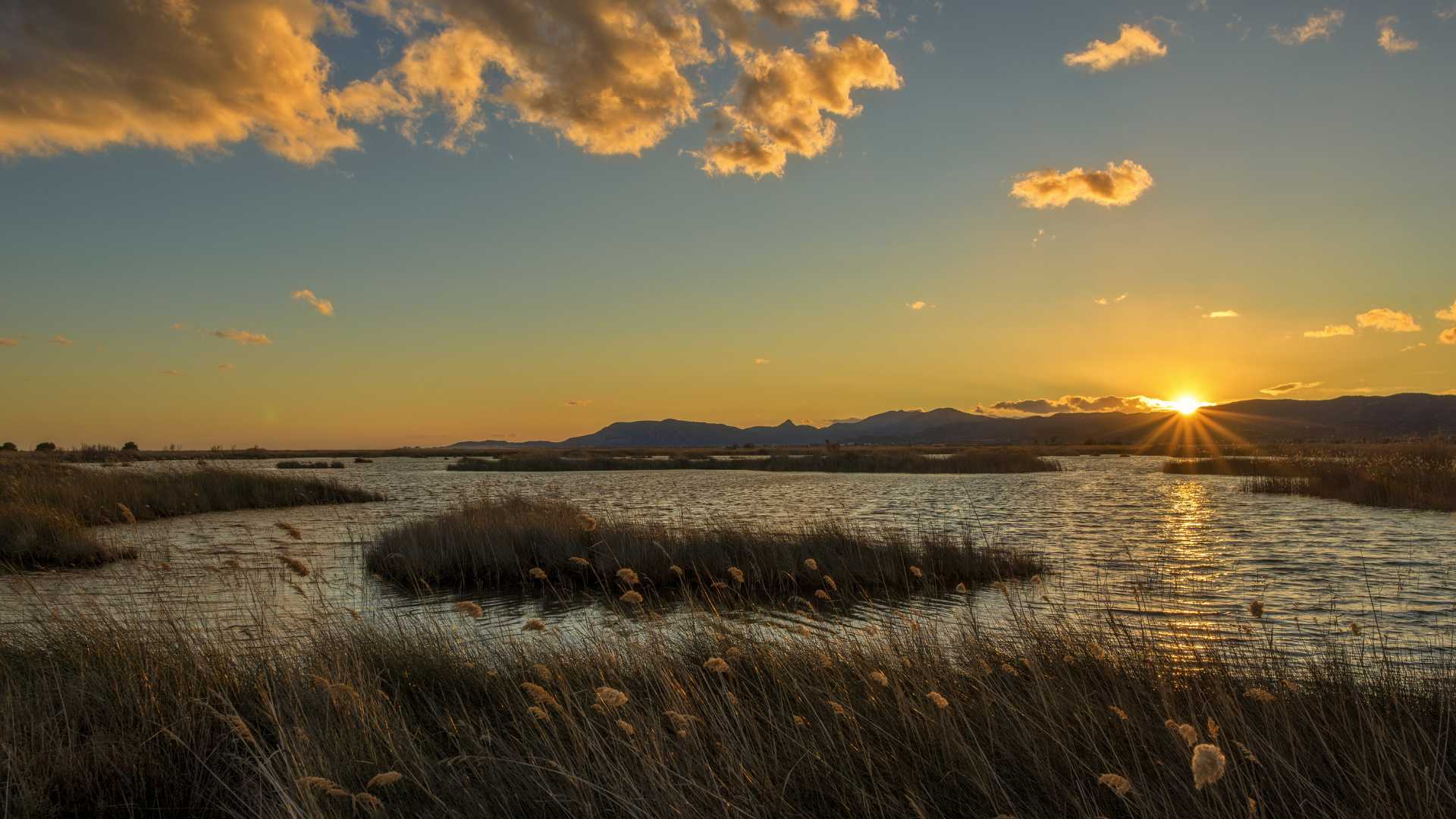
Der Naturpark El Prat de Cabanes-Torreblanca ist ein Schutzgebiet mit Feuchtgebieten von großem ökologischen Wert. In dieser Gegend kann man wunderbar Vögel beobachten und angenehme Wanderungen am Meer unternehmen.
Wir empfehlen Ihnen die drei Hauptrouten:
Die Rote Route – Turm La Sal: Eine 3,5 km lange Strecke mit geringem Schwierigkeitsgrad, um die Geröllbank an der Küste zu genießen, das Mikroreservat der Meereswacholder-Flora kennenzulernen und charakteristische Vogelarten sowie die Kanäle des Feuchtgebiets zu beobachten.
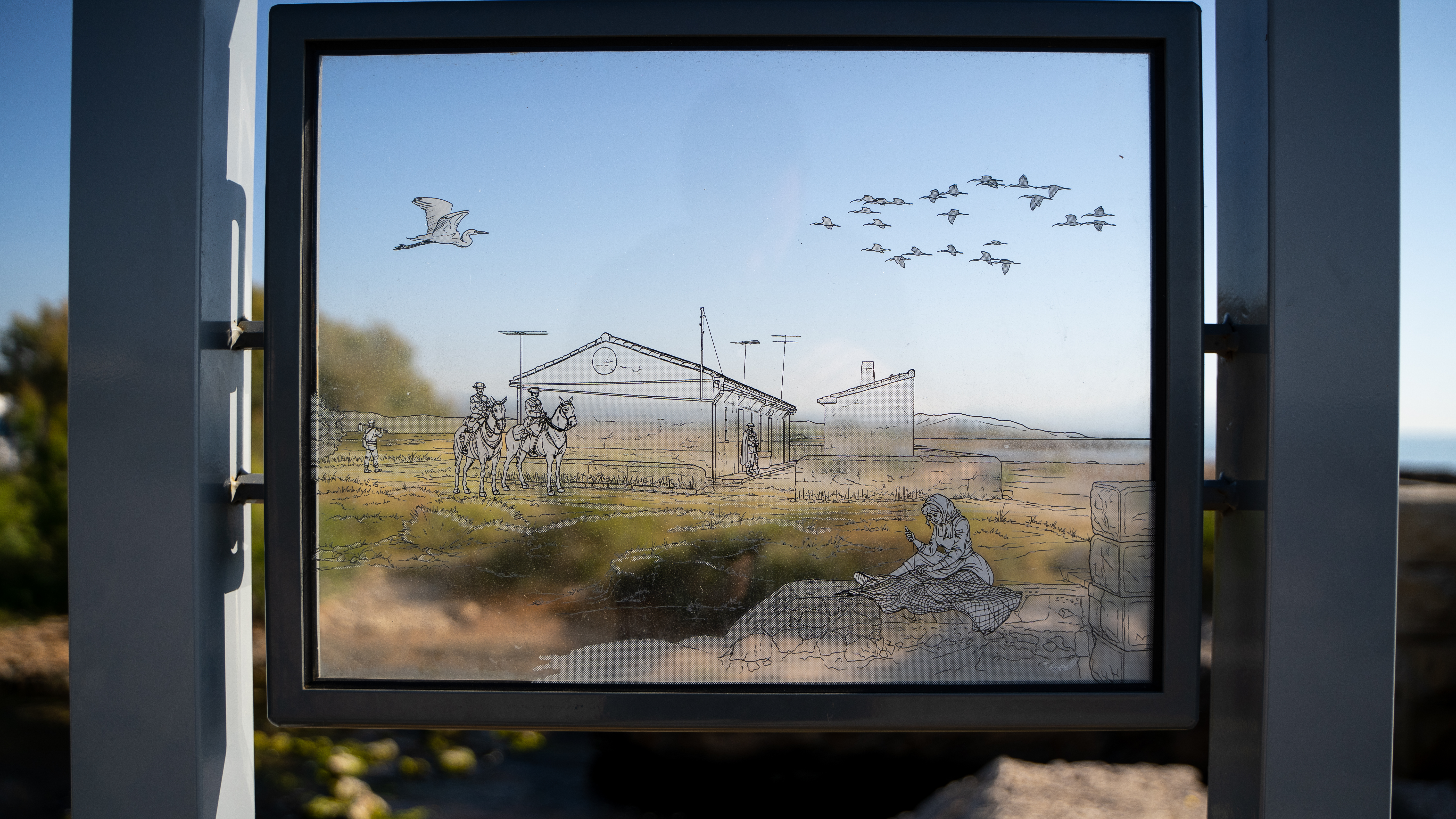
Die Blaue Route – Carabineros-Kaserne: Eine Strecke von 8 km mit kaum Höhenunterschied, die entlang der Küste über Geröllbänke und fossile Dünen bis zu den Ruinen der Carabineros-Kaserne führt. Anschließend gelangt man zwischen Bewässerungsgräben und Sumpfgebieten von großem landschaftlichem Wert ins Innere des Feuchtgebietes.
Die Gelbe Route – Torrenostra: Eine Strecke von 4,5 km auf ebenem Gelände, die in das Feuchtgebiet führt und dabei Lagunen durchquert. Diese Gegend ist ideal zur Vogelbeobachtung, außerdem gibt es Ackerland und die Gola del Trenc mit ihrem Aussichtspunkt, an dem man verweilen kann, bevor man zwischen Salzwiesenvegetation und Geröllbarrieren zur Küste zurückkehrt.
Naturpark Desert de les Palmes in Cabanes
Neben den Feuchtgebieten ist Cabanes Teil des Naturparks Desert de les Palmes, einer Gebirgskette entlang der Küste von bedeutendem ökologischen und kulturellen Reichtum. Auch hier können Sie Wanderwege erkunden, die viel zu bieten haben:
El Bartolo: Ein 6,8 km langer Rundweg ohne Schwierigkeiten. Sie führt über die sanftere Variante zum Gipfel des Bartolo hinauf.
Les Crestes: Ein 7 km langer Rundweg mit mittlerem bis hohem Schwierigkeitsgrad, der ebenso wie der vorherige zum Bartolo führt, jedoch über einen technisch anspruchsvolleren Aufstieg. Denken Sie daran: Vom Gipfel aus können Sie Cabanes sehen!
El Bartolo i les Santes: Dieser Rundweg ist 15,5 km lang und weist einen hohen Schwierigkeitsgrad sowie einen Höhenunterschied von 700 m auf; er führt durch ein Mikro-Naturschutzgebiet mit einzigartiger Flora.
La Pobla Tornesa: Eine 6 km lange, einfache Strecke, die das Informationszentrum des Parks mit La Pobla Tornesa verbindet.
El Castell de Montornés: Eine 5 km lange Strecke, auf der Sie eine Festung aus dem 10. Jahrhundert erkunden können. Als Belohnung erwartet Sie am Ende ein wunderbarer Aussichtspunkt mit Blick auf das Meer.
Les Fonts del Desert: Ein 7 km langer Rundweg, auf dem Sie die natürlichen Wasserquellen des Naturparks erkunden können.
Benicàssim – la Font Tallada: Diese Strecke von 5 km hat einen mittleren Schwierigkeitsgraf und verbindet Benicasim mit zahlreichen Quellen.
Les Santes: Ein 3,5 km langer Rundweg mit mittlerem Schwierigkeitsgrad durch einige der üppigsten schattigen Waldgebiete des Parks.
Welche Strände und Wehrtürme sollten Sie in Cabanes besuchen?
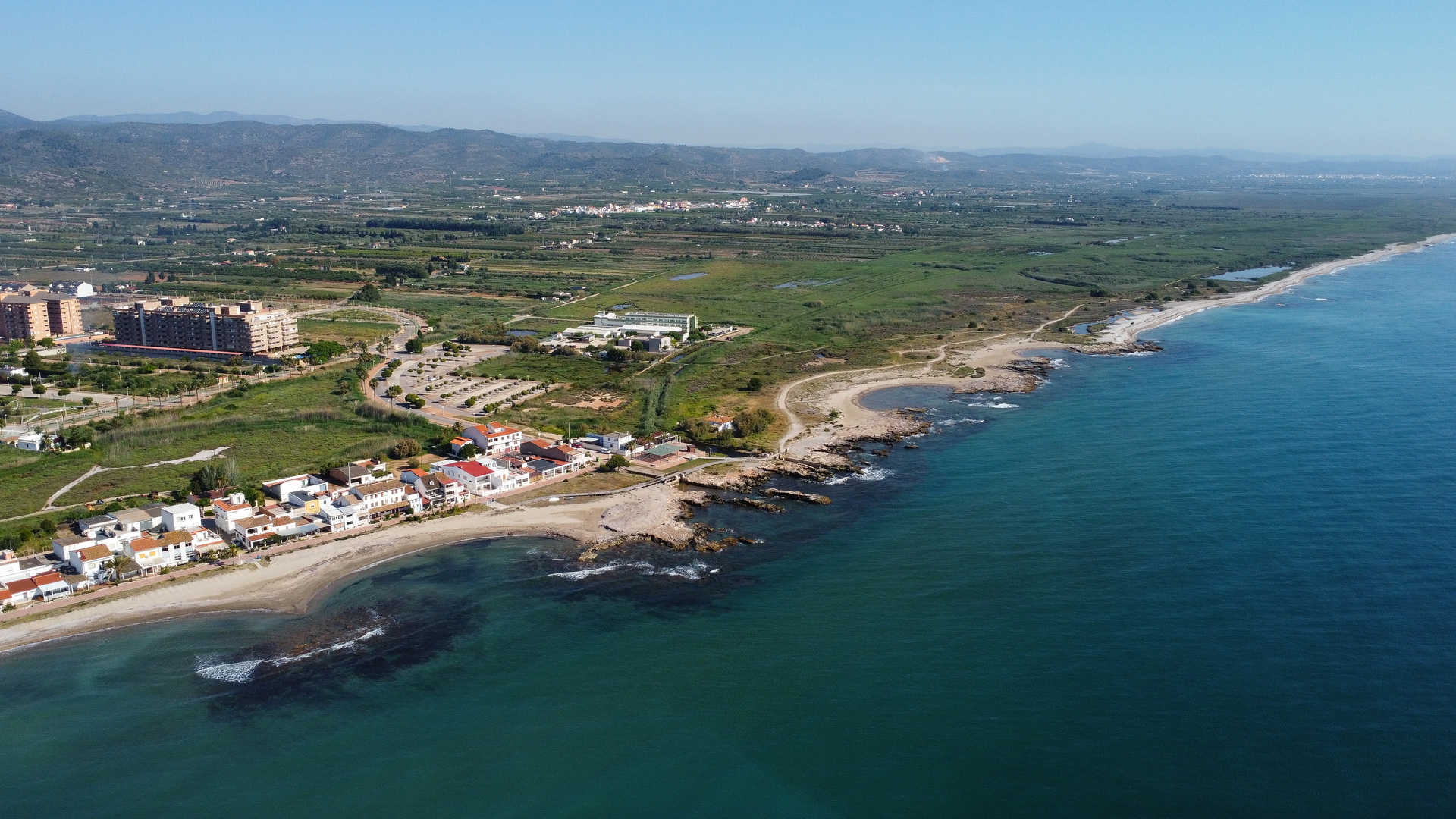
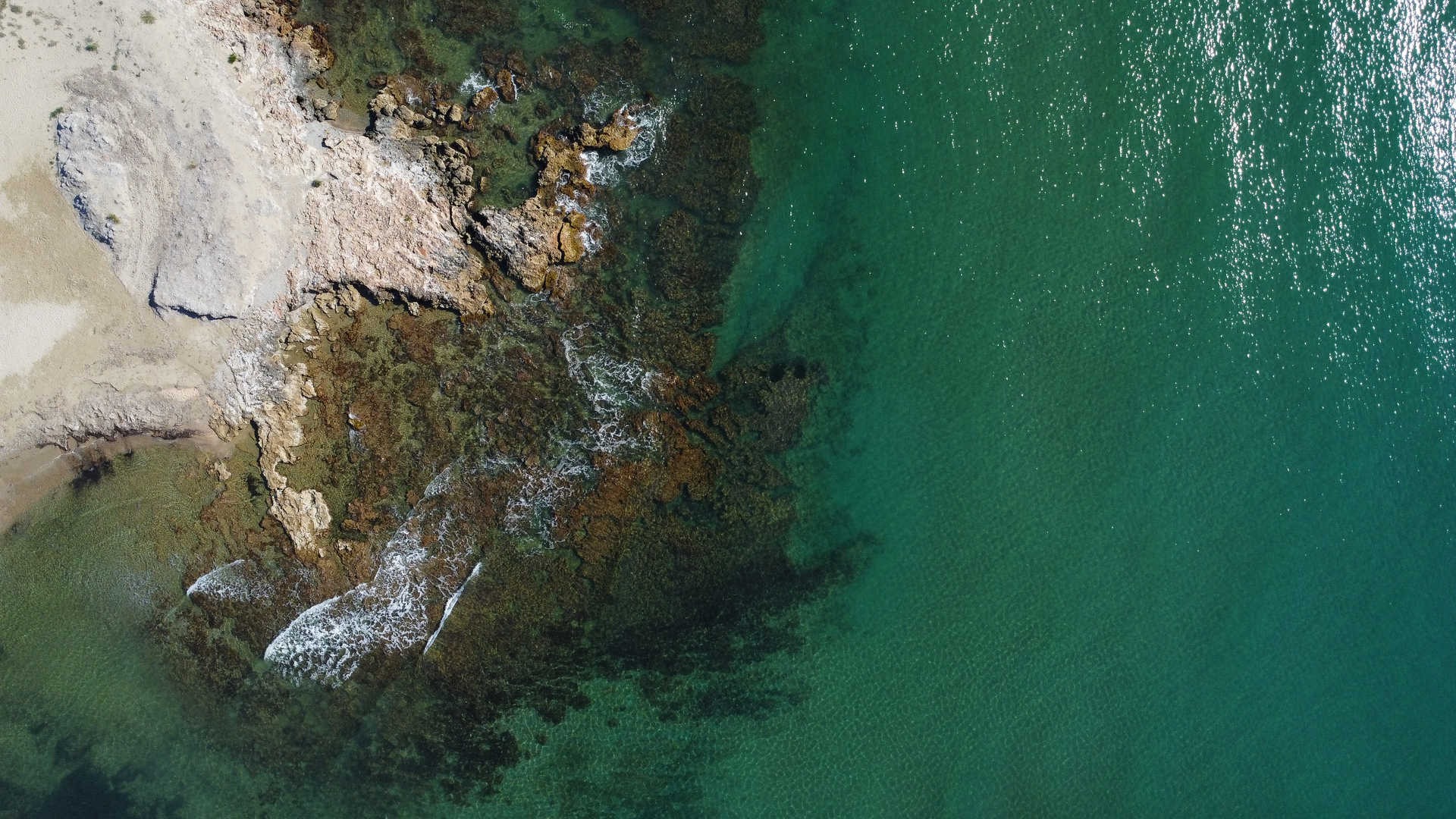
Am Küstenstreifen dieser Gegend können Sie sowohl Naturschutzgebiete und historische Wachtürme als auch traumhafte Strände entdecken. Machen Sie eine kulturelle Entdeckungstour und entspannen Sie sich anschließend mit den Füßen im Sand:
Der Strand La Torre de la Sal zeichnet sich durch sein ruhiges Wasser und seine traditionellen Fischerhäuser direkt am Strand aus.
Der Strand El Quartell Vell ist ein FKK-Strand im Naturpark, dessen Landschaft von den Überresten einer ehemaligen Kaserne geprägt wird.
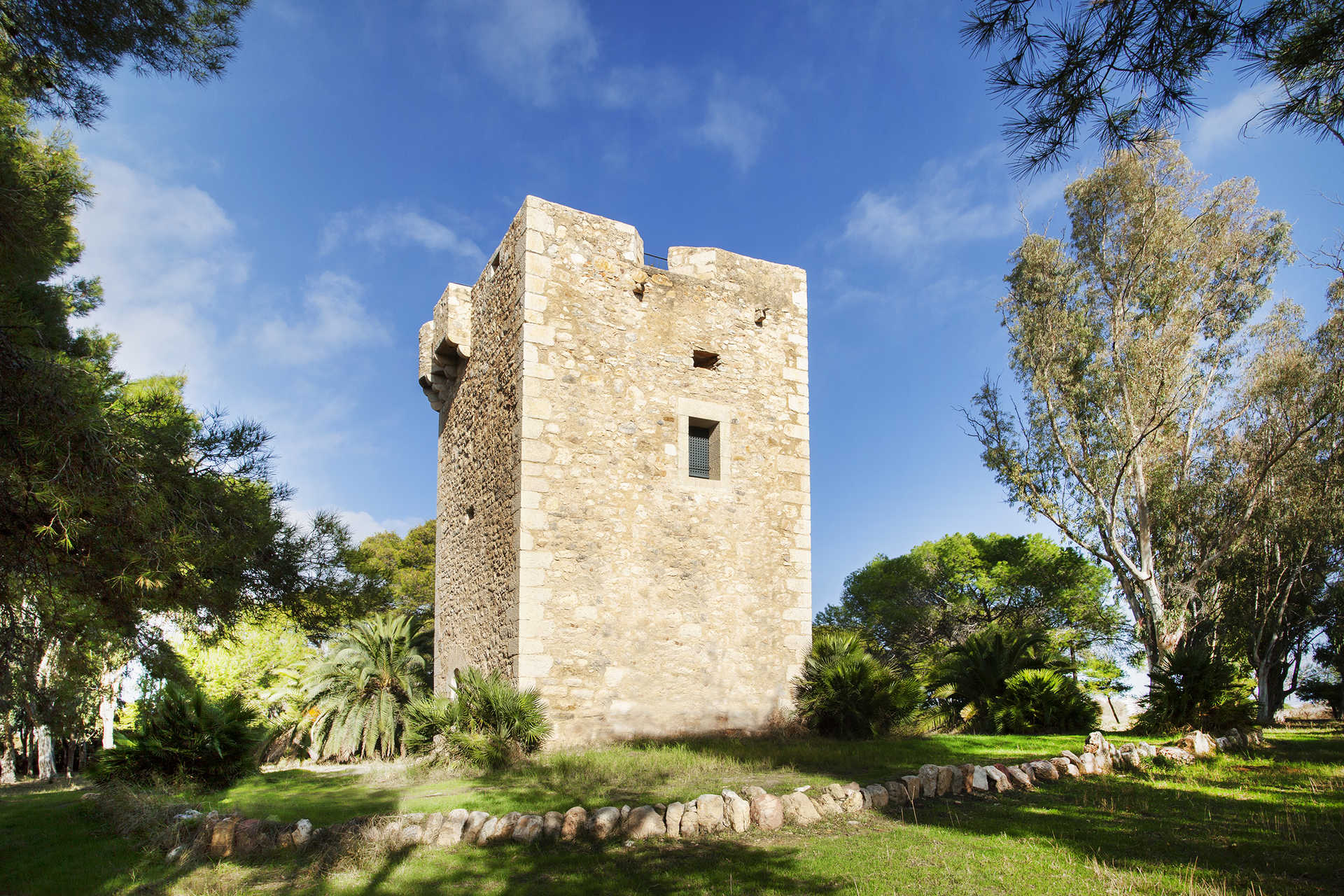
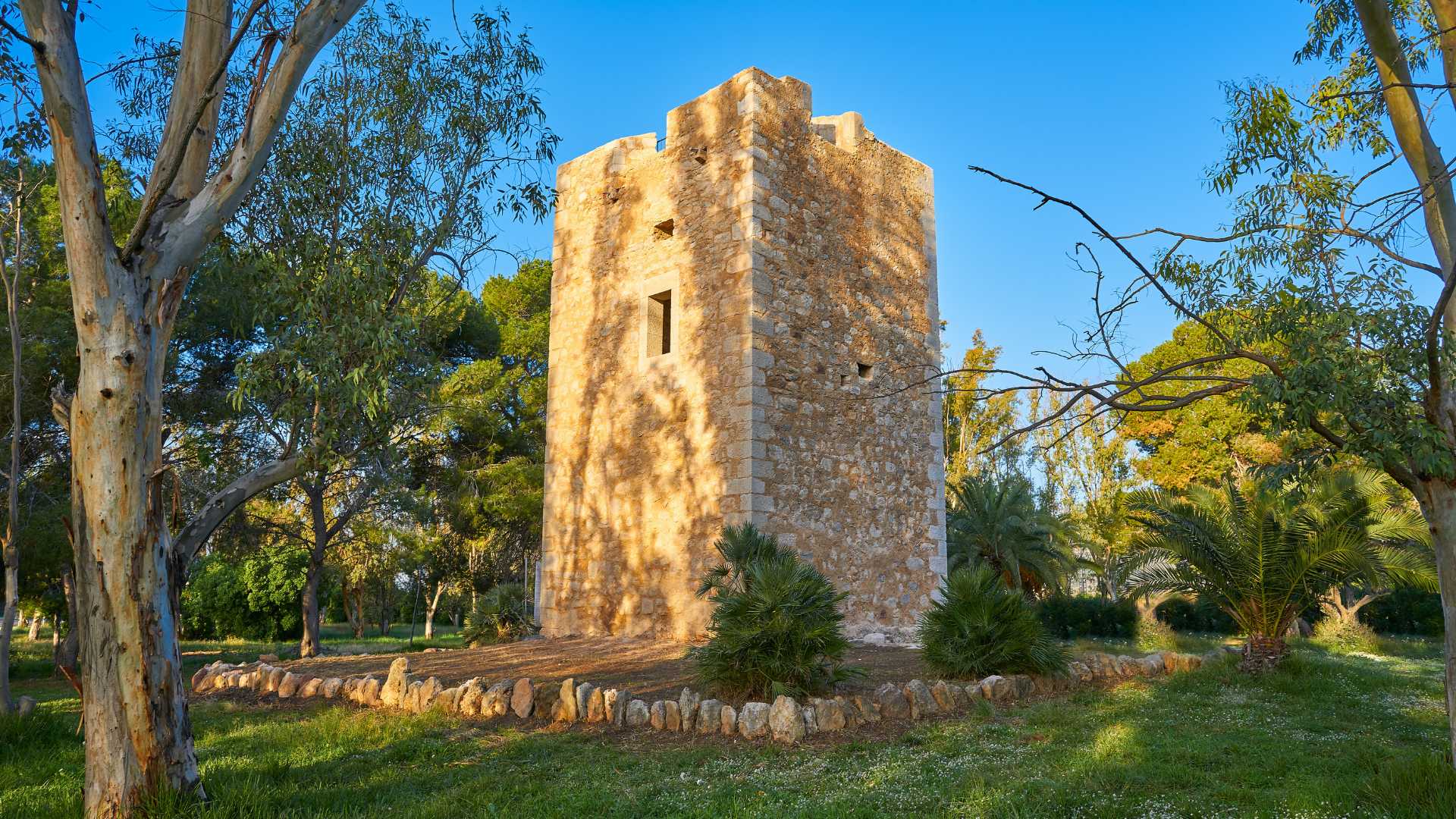
Die Wachtürme wie der La Sal Turm mit mittelalterlicher Architektur sowie die Türme Carmelet, El Carmen und Els Gats, die alle aus dem 15. und 16. Jahrhundert stammen, sollten Sie unbedingt besichtigen.
Entdecken Sie Cabanes und verlieben Sie sich in ein Reiseziel, das für jeden etwas zu bieten hat!
Finden Sie
Lassen Sie sich inspirieren

Das Netz der Viales Verdes, wie man die grünen Wege von La Plana de L’Arc nennt, besteht aus mehreren Routen, die sich perfekt für einen Ausflug mit der Familie eignen – sei es mit dem Fahrrad oder zu Fuß. Es handelt sich um angenehme Strecken, die man ohne große Schwierigkeiten zurücklegen kann, um die Landschaften von sieben Gemeinden der Provinz Castellón zu entdecken: Benlloc, Cabanes, Les Coves de Vinromà, La Torre d’en Doménec, Vall d’Alba, Vilafamés und Vilanova d’Alcolea.
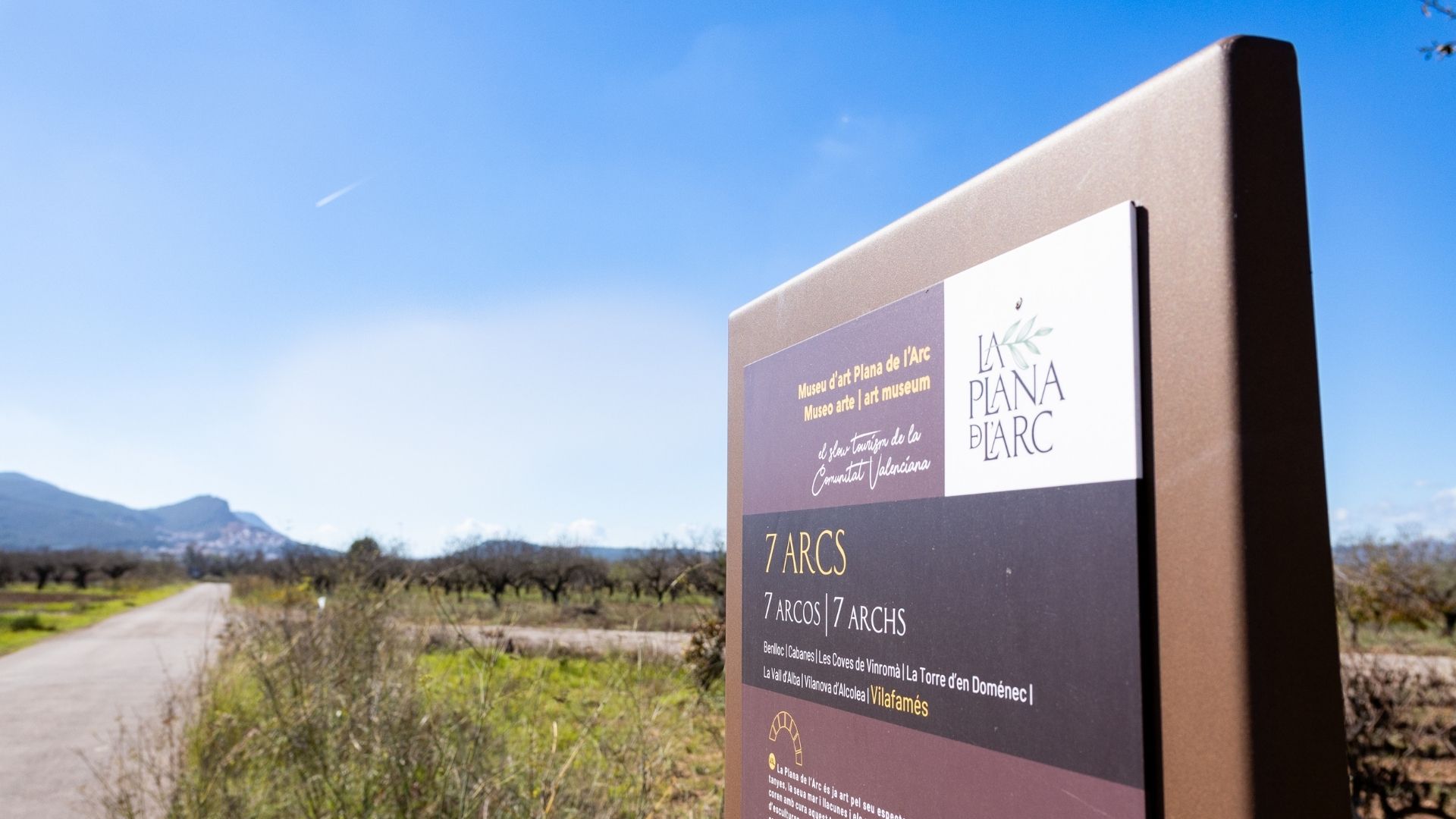
Die Route der Eisenbögen von La Plana de L’Arc ist ein unverzichtbares touristisches und kulturelles Erlebnis, das römische Geschichte, künstlerische Avantgarde und Nachhaltigkeit miteinander verbindet. Es lohnt sich, sich Zeit zu nehmen, um diesen einzigartigen Freilichtmuseumskomplex im Herzen der Provinz Castellón zu entdecken. Eine tolle Aktivität, für alle, die sich fürs Wandern, Fotografie und Ökotourismus interessieren.

Entdecken Sie eine einzigartige Route in der Provinz Castellón, die Sie vorbei an beeindruckenden Skulpturen inmitten der Natur führt. Kuriose Urlaubsfotos sind Ihnen dabei garantiert!

In welchen Dörfern des Landkreises La Plana de L'Arc sich die riesigen Fahrräder befinden? Wir verraten Ihnen mehr über die Strecke und die Geschichte dieser einzigartigen Monumente.
Entdecken Sie
Reisen Sie
Kommen Sie zurück

- Cookie-Richtlinie
- Impressum
- Kontakt
- Zugänglichkeit
-
© Turisme Comunitat Valenciana, 2026.
Alle Rechte vorbehalten.