








Vilanova d'Alcolea
Multimedia Gallery


Multimedia Gallery
Vilanova d’Alcolea is an inland destination in Castellón that is just the ticket for those seeking a break filled with nature and history. Its old town still has plenty of corners worth seeking out, while the surrounding countryside is dotted with archaeological sites and examples of UNESCO-protected dry-stone architecture that blend naturally into the landscape.
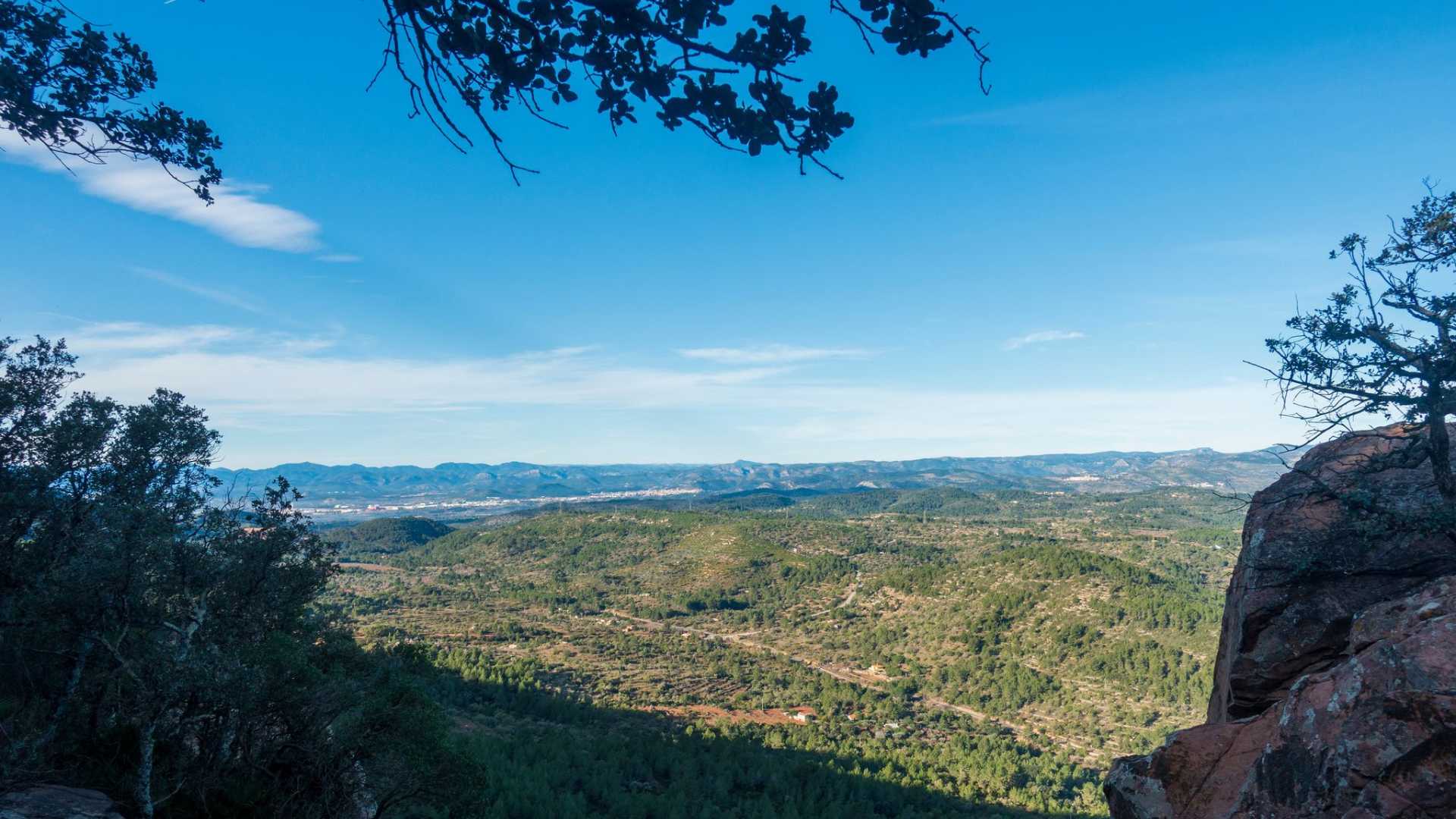
This guide includes everything you need to see on a visit to Vilanova d’Alcolea. Come and explore this part of La Plana Alta, in Castellón, and discover a plethora of archaeological sites, many of which are linked to the Via Augusta. Take the time to admire the landscapes which have been shaped by dry-stone architecture, and are recognised as UNESCO World Heritage, and follow routes that are suitable for both walking and mountain biking.
What to see and do in Vilanova d'Alcolea
Vilanova d’Alcolea town centre
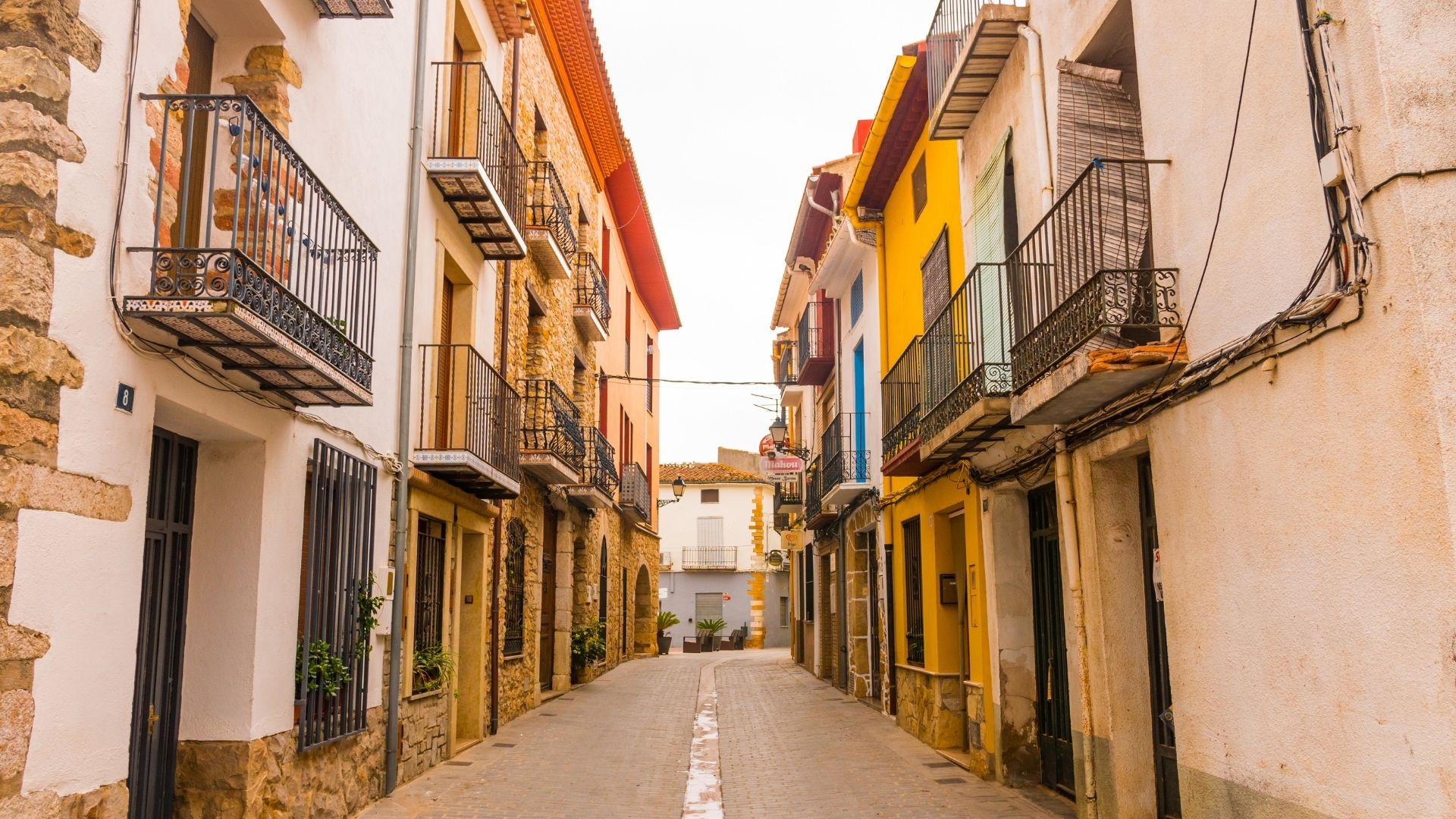
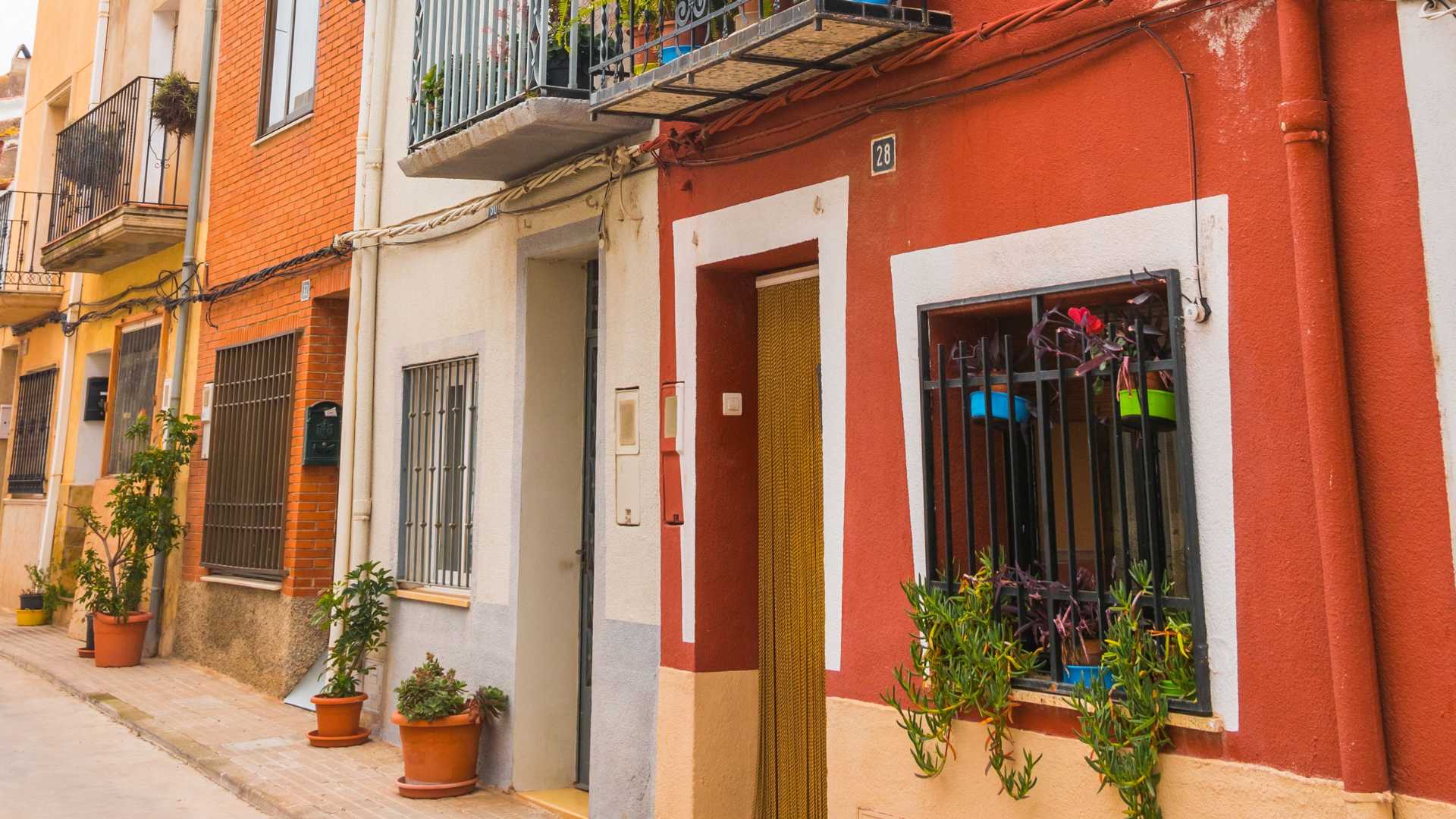
The traditional historic centre of Vilanova d'Alcolea: as you wander through the town, you’ll come across numerous ceramic panels dating from the early 20th century, all within a centre whose origins stretch much further back.
The town walls: several sections of the medieval walls can still be seen as you make your way around Vilanova d’Alcolea.
San Bartolomé Parish Church: built in the 17th century on the site of the former castle and remodelled in the 18th, the church is known for its Classical-style entrance, its collection of metalwork, which includes a 16th-century chalice, and its imposing tower. Inside the tower are historic bells as well as the mechanism of a clock dating from 1892.
The Calvary and Hermitage: built between the 17th and 18th centuries, the route passes 14 chapels before reaching the hermitage, which dates from 1809 and is decorated with frescoes.
Around Vilanova d’Alcolea
La Vilavella: set on higher ground overlooking the Via Augusta, this archaeological site preserves the remains of an early Iberian settlement from the 7th and 6th centuries BC. Excavations have revealed defensive structures, homes and significant examples of Phoenician pottery.
Puig Pedró archaeological site: considered the main centre of Iberian settlement in the area, the site occupies a naturally defensive position beside the Via Augusta corridor. Sections of wall, a possible tower and other important remains survive here, spanning the middle and later Iberian periods.
l'Hostalot Ildum archaeological site: also close to the Via Augusta, this site has been identified with the Roman mansio of Ildum. Excavations have uncovered a large building arranged around a colonnaded courtyard, together with a rich collection of Late Roman finds.
Other archaeological sites: Vilanova d’Alcolea has an extraordinary concentration of remains, which reveal how Iberian and Roman communities once lived in this part of Castellón.
Dry-stone architecture: throughout the surrounding countryside you’ll find corrals, stone terraces, wells, small rural shelters and many other examples of a building tradition that has shaped the landscape for generations.
Nature and tourism in Vilanova d’Alcolea
l’Assut Natural Area: designated a Wildlife Reserve in 2015, this site is home to amphibian species that are rare in Europe, as well as the emblematic Xop de l’Assut, a protected monumental tree. At its heart is an old weir surrounded by a leafy woodland of poplars and elms.
Font de Calaf Natural Area: a natural spring lies at the centre of this peaceful spot, which is shaded by black poplars and has barbecue facilities and stone tables.
Which walking and cycling routes pass through Vilanova d'Alcolea?
Ruta de l'Aigua-Les Sénies
At under 4 km and with virtually no difficulty, this route offers an easy way to delve into the area’s past as you pass 27 waterwheels, wells and cisterns, each one showing how water was collected and used here over the centuries.
When are the Sant Antoni festivities and the Matxà in Vilanova d'Alcolea?
Every January, Vilanova d’Alcolea celebrates one of its most ancient traditions, when fire and animals take centre stage during the processó de la matxà. Riders guide their horses through the bonfires before the celebrations continue with the tropell, an age-old and famously unpredictable horse race.
If Spanish customs, archaeology and local history are your thing, Vilanova d’Alcolea has oodles to keep you curious. Discover a place where layers of the past are still woven into everyday life.
Find
Be inspired

The Plana de l'Arc Greenways are a network of routes that are ideal for exploring as a family, either on foot or by bike. With gentle terrain and no real difficulty, they take you through the landscapes of seven towns in Castellón: Benlloc, Cabanes, Les Coves de Vinromà, La Torre d’en Doménec, Vall d’Alba, Vilafamés and Vilanova d’Alcolea.
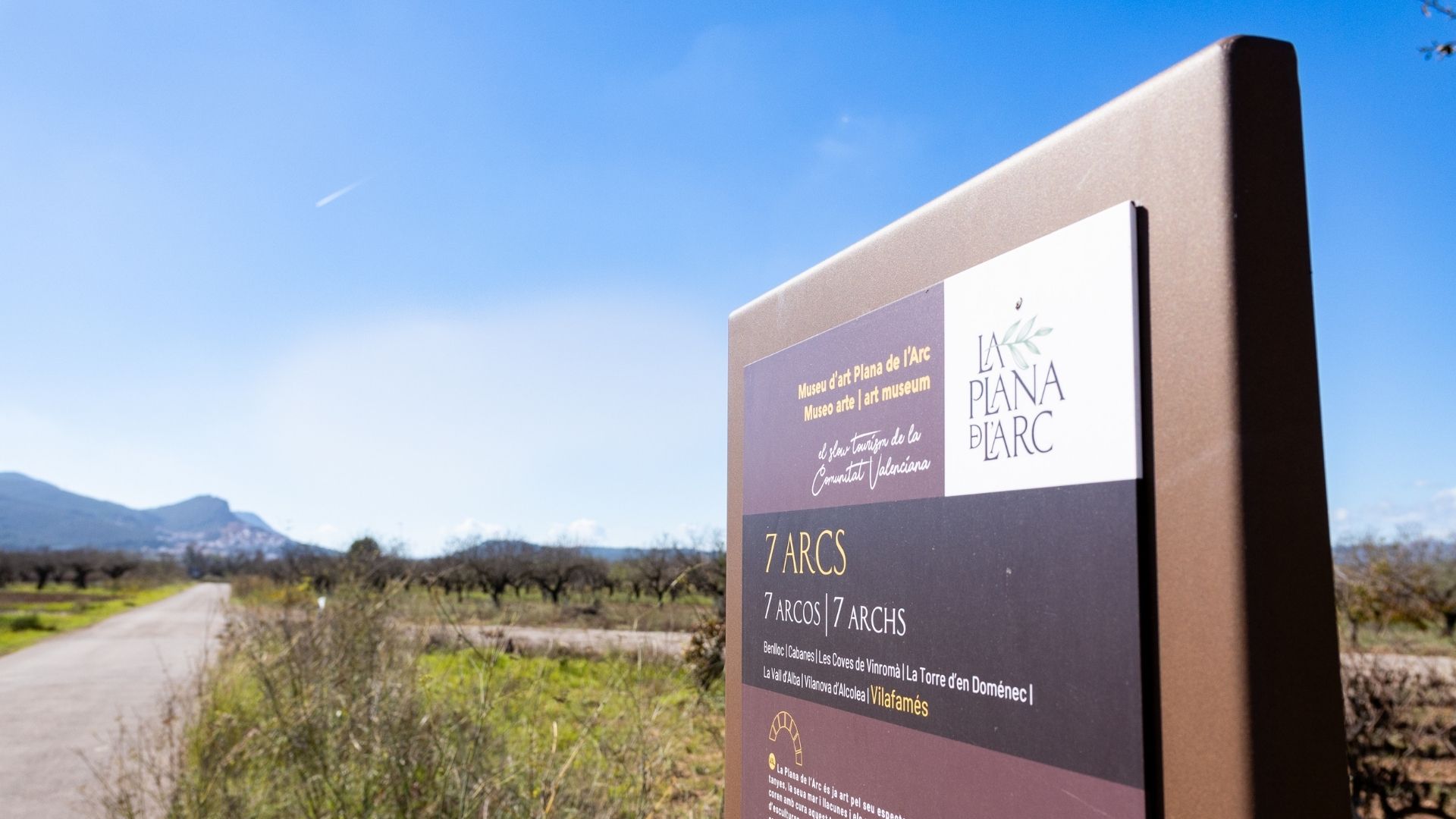
The 7 Iron Arches Route through La Plana de L’Arc is a cultural trail that brings Roman history, contemporary art and sustainability into the same journey. It’s well worth following if you want to discover an open-air museum in the heart of Castellón, with walking, photography and ecotourism all part of the experience.

Come and explore a one-of-a-kind route in Castellón, where striking sculptures sit out in the open countryside. It’s a brilliant spot for a few standout photos!

Which towns in La Plana de L'Arc are home to the giant bicycles? Here’s where to find them, as well as the story behind these intriguing monuments.
Come back

- Cookies policy
- Disclaimer
- Contact
- Accessibility
-
© Turisme Comunitat Valenciana, 2026.
All rights reserved.