








Ethnographic tourism in the Region of Valencia: traditions, museums and local life
Published 28/09/2026
Get to know the Region of Valencia through the traditions that have shaped it. Step inside L’ETNO, trace the vernacular architecture of Bocairent and discover the age-old craft of dry-stone building. In Manises, you can turn your hand to ceramics, while across our towns and villages, traditional trades, festivals and customs reveal a way of life that has been passed down through generations. It’s a journey to the roots of our culture, and to the people who keep it alive today.
Ethnological and ethnographic tourism gets beneath the surface of the Region of Valencia. Our origins, traditions, old trades and local customs tell stories that you won’t find in the landscape alone, bringing another dimension to a journey through Castellón, Valencia and Alicante. Come and discover where we come from, what we still hold dear and a little more about who we are.
Everyday life, crafts and traditions in the Region of Valencia
Across the Region of Valencia, generations have left their mark in barracas, riuraus, extraordinary snow wells and all manner of dry-stone structures. Ceramics and silk became flourishing industries, while olive oil, wine and raisins were produced here too.
That wealth of craftsmanship hasn’t disappeared. You can still find it in something as small as the traditional botijos, or clay water jugs, of Agost, in the blankets of Morella and the fans of Aldaia. Fancy finding out how people once lived and discovering the arts and trades that have evolved here over the centuries?
Ethnology museums in Castellón
An ethnological and ethnographic journey through the Region of Valencia can lead to some rather special places, and can include some truly unforgettable experiences along the way.
-
Villafranca Dry-Stone Museum: across the region you’ll find open-air museums that reveal the age-old craft of dry-stone building, recognised by UNESCO. And in Villafranca, you can uncover some of the secrets behind the technique.
-
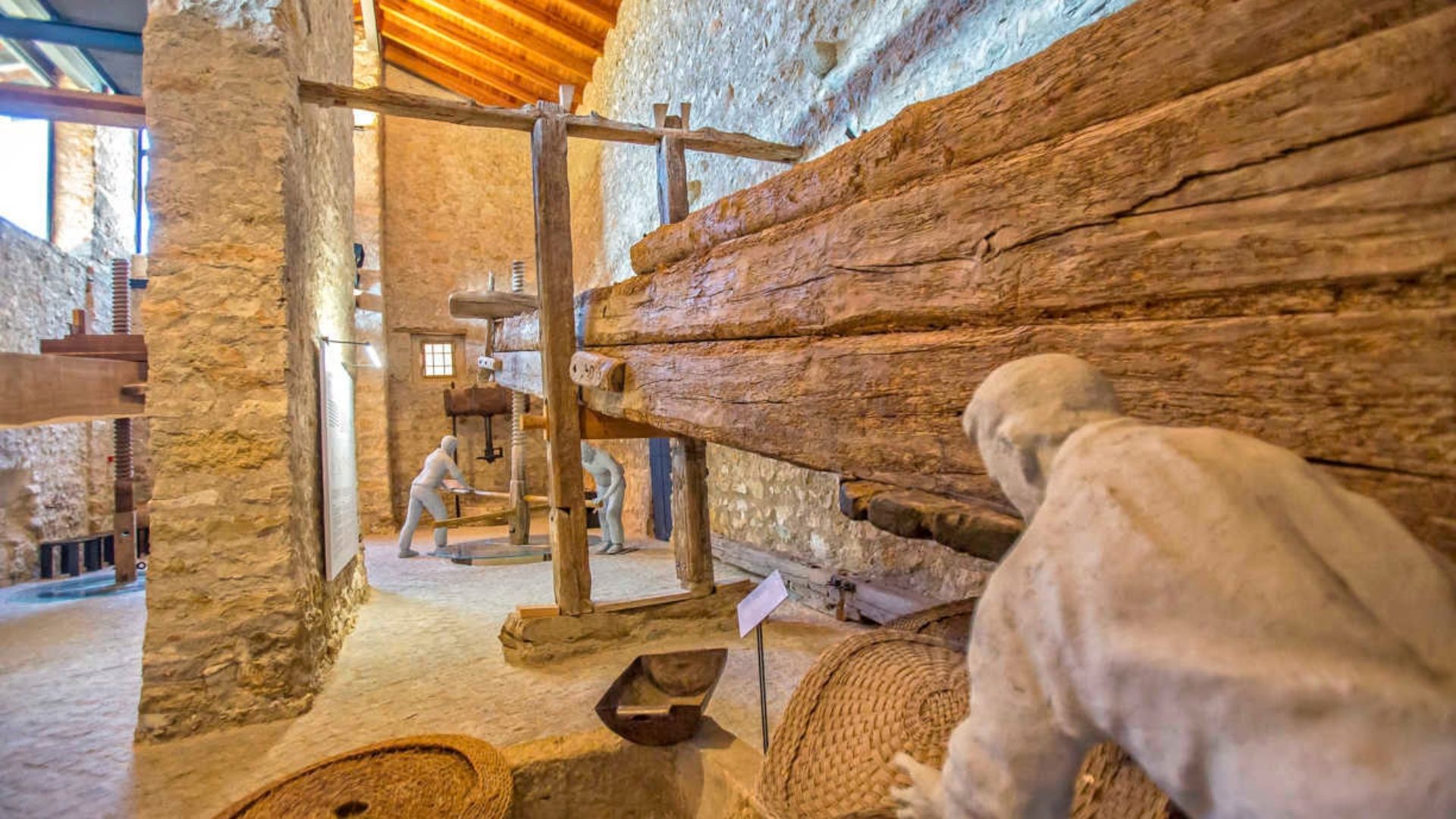
Molí de l'Oli Interpretation Centre: in Cervera del Maestre, the clock turns back to the Middle Ages as you discover how our olive oil was made centuries ago.
-
Manolo Safont Tile Museum, in Onda: put this museum on your route for a fascinating look at how the ceramics industry has evolved and the influence it has had over time.
What are the best ethnographic and craft museums in Valencia and its traditional towns and villages?
If you want to get closer to the culture of Valencia province through its towns, villages and museums, these are a few places to seek out:
-
L'ETNO, Valencian Museum of Ethnology: an award-winning museum in València dedicated to preserving and sharing the ethnological heritage of the Region of Valencia.
-
Fallas Museum, in València: get a closer look at the artistry, painstaking detail and creativity of the Fallas artists in a museum that preserves the ninots saved from the flames by popular vote.
-
Aras de los Olmos Ecomuseum: rather than sitting within four walls, this museum unfolds across a village in the mountains. It’s one the whole family can explore together.
Alicante: arts and crafts, inland ethnology and maritime traditions
-
Monóvar Museum of Arts and Crafts: traditions, history and culture told through work, craftsmanship and traditional trades. And for another glimpse into everyday life decades ago, make time for the Azorín House Museum.
-
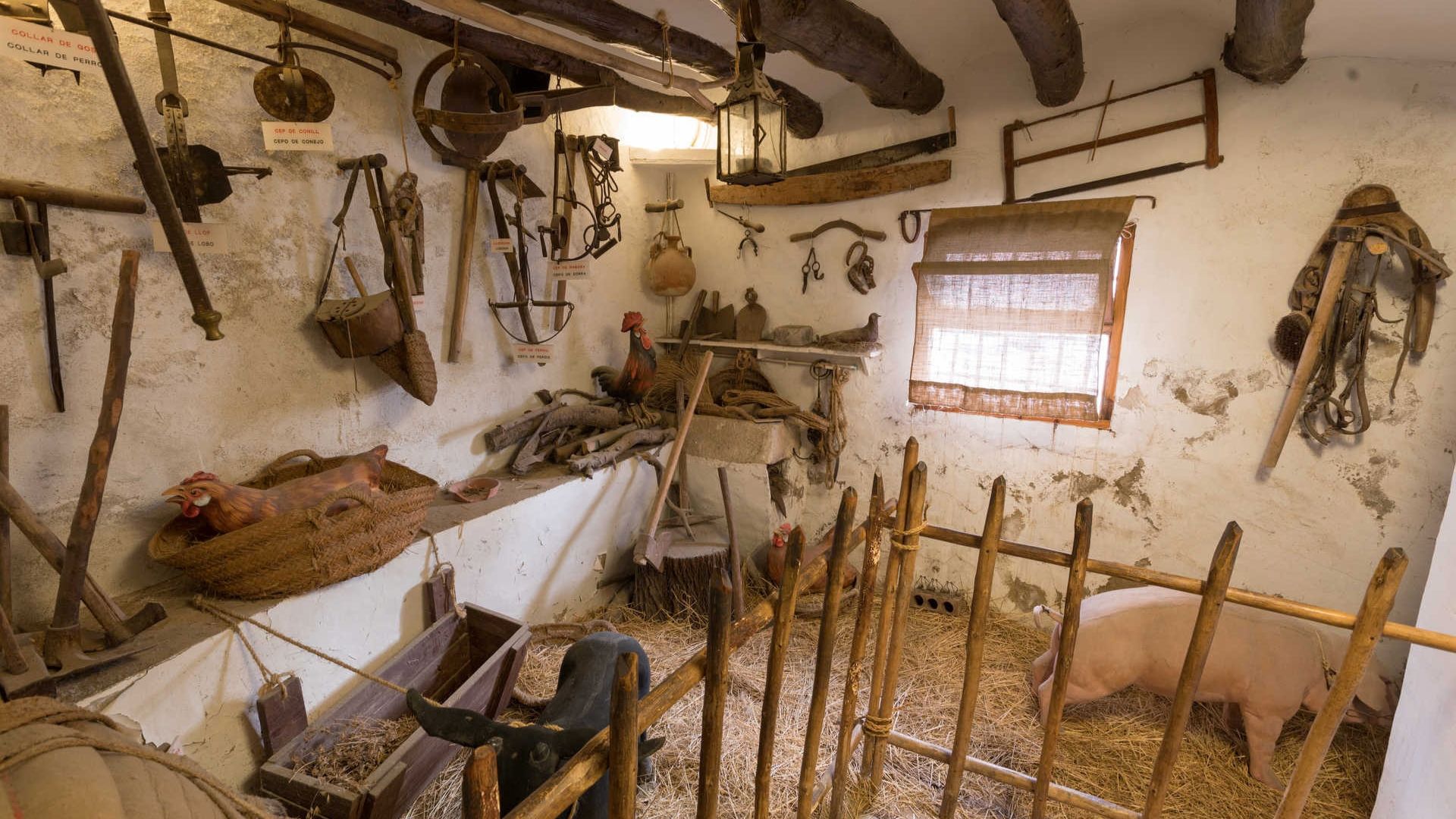
Guadalest Ethnological Museum: El Castell de Guadalest isn’t just one of the prettiest villages in Spain. Its ethnological museum turns the small objects of everyday life into windows onto another time.
-
Sea and Salt Museum in Torrevieja: delve into the trades that have shaped life by the sea, from fishing and salt craftsmanship to seafaring.
Ready to follow the trail back through time? Start plotting your ethnographic route through the Region of Valencia and uncover the smaller stories behind its traditions.


Come back

- Cookies policy
- Disclaimer
- Contact
- Accessibility
-
© Turisme Comunitat Valenciana, 2026.
All rights reserved.