








From field to table: how Valencian agricultural diversity is preserved
Published 30/01/2026
Take a closer look at the scrumptious vegetables grown across the Region of Valencia and the traditions behind them. It’s a true journey through flavour!
If there is one thing that truly defines the character of this land, it is traditional Valencian agriculture. You may well have wandered through green fields before and noticed that fresh, earthy scent that feels so distinctive to this area. But this agricultural landscape is much more than a setting; it is a living legacy of traditional farming that has shaped local cuisine for centuries and continues to invite us to discover unique places today.
Why is traditional Valencian agriculture such a treasure for travellers?
Discovering traditional Valencian agriculture means stepping into one of the richest agricultural ecosystems in the world. From the counties of L’Horta Nord and L’Horta Sud, which surround the city of València, to La Vega Baja in the south, each area brings its own unique charm. It is a place where time seems to slow as you follow irrigation channels inherited from the Arab period and come across the traditional ceberes where the region’s tardana onions are still stored today.
Across these fields, Valencian agricultural diversity comes alive in a patchwork of colour. Thanks to the care passed down through generations of llauradors (local farmers), it is still possible to enjoy Valencian produce with flavours that are difficult to find elsewhere.
Where to find the best local crop varieties
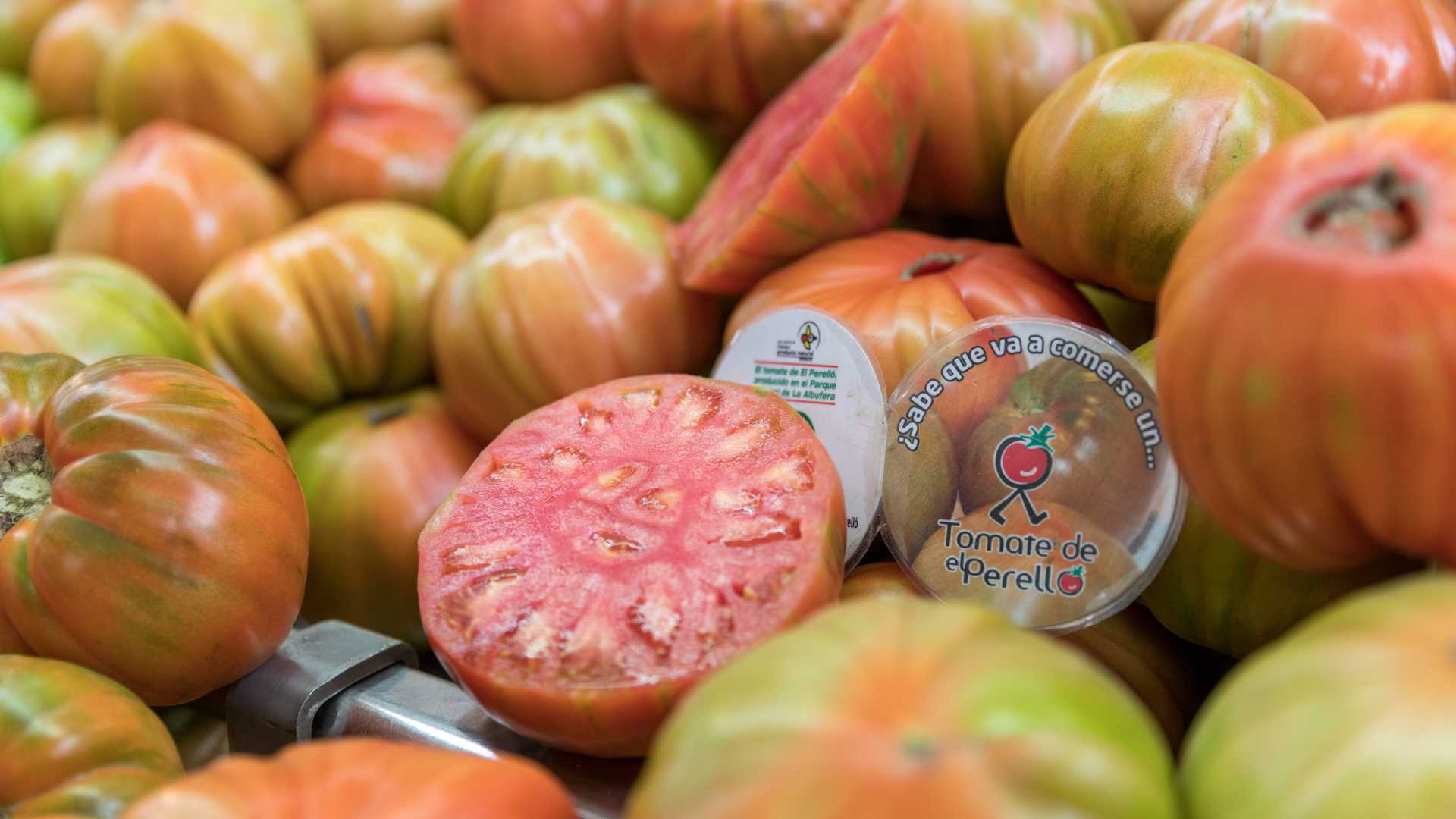
If you are looking for food experiences rooted in place, local crop varieties are key. In the marshlands (marjales) of towns such as Sueca or Cullera, a highly regarded tomato is grown each spring. Farmers protect it from the cold using rice straw, a traditional technique that reflects the close relationship between landscape and cultivation.
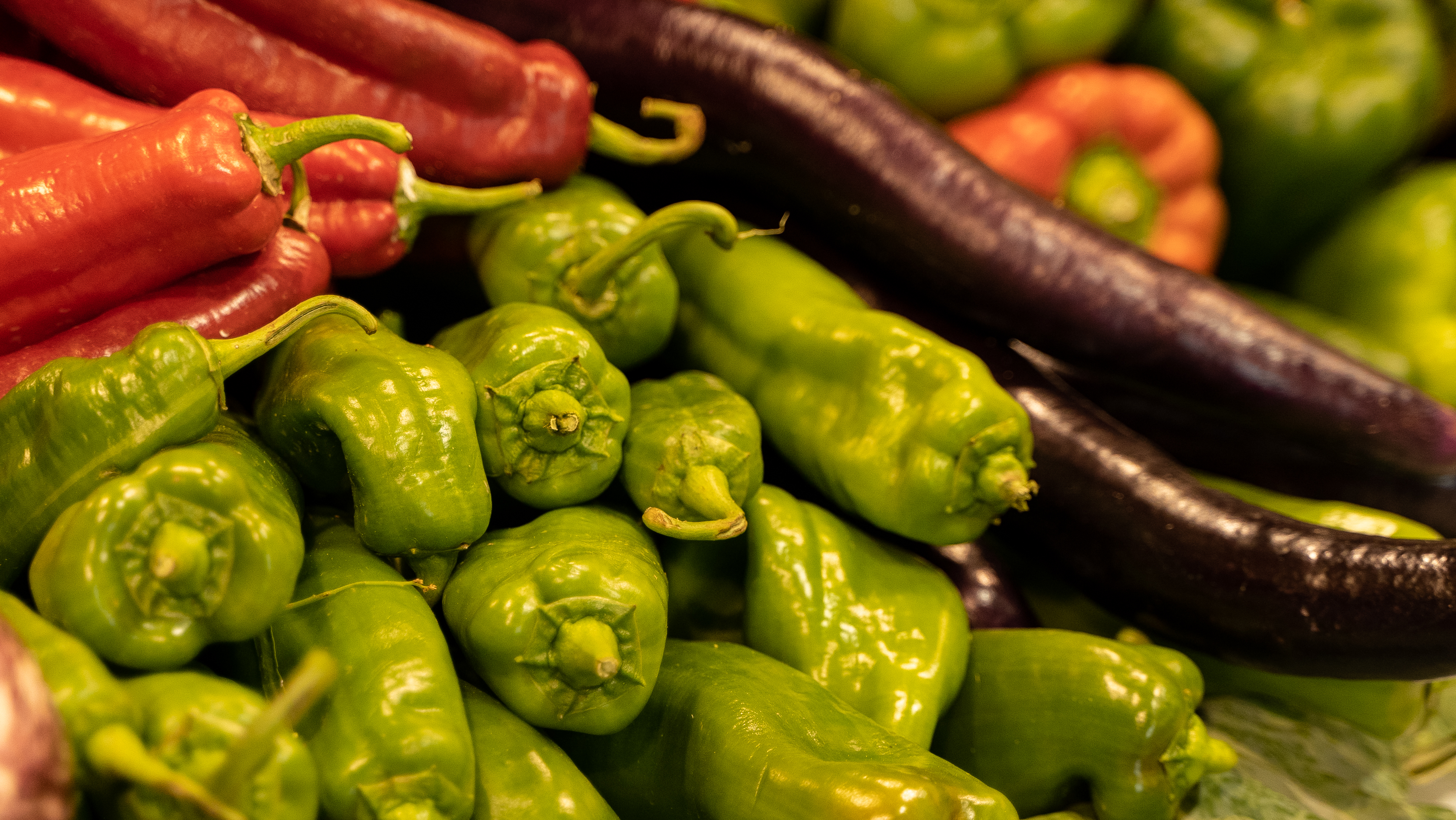
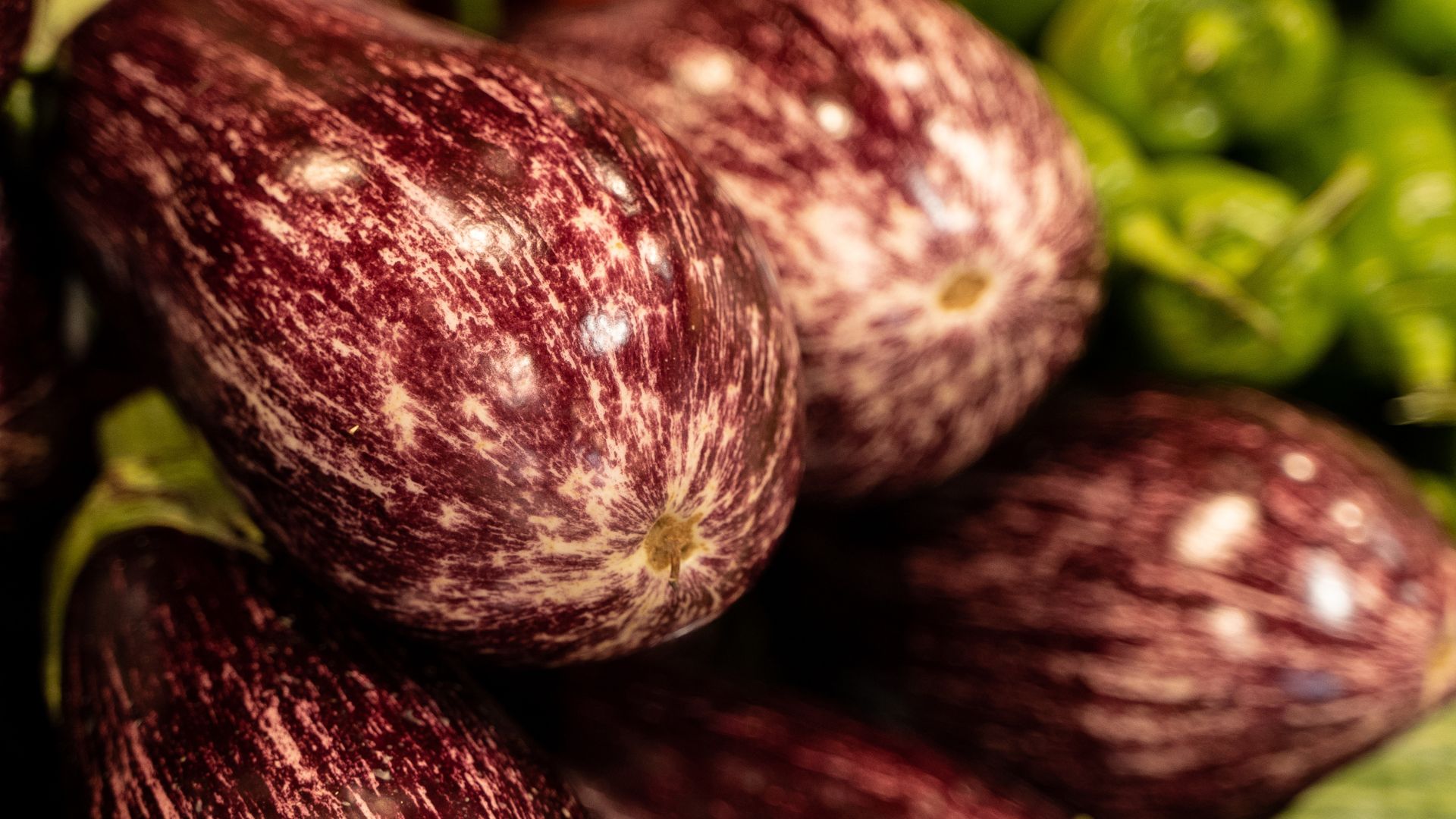
In the county of La Safor, between Xeraco and Gandia, you will find the distinctive albergínia roja, or red aubergine. Further inland, in La Canal de Navarrés, the pimentó del cuerno is grown, a long pepper well suited to slow-cooked dishes. Each product offers a direct connection to local traditions. You can explore these and other varieties in more detail in this catalogue, which brings together the diversity of Valencian agriculture.
Ready to taste traditional agriculture?
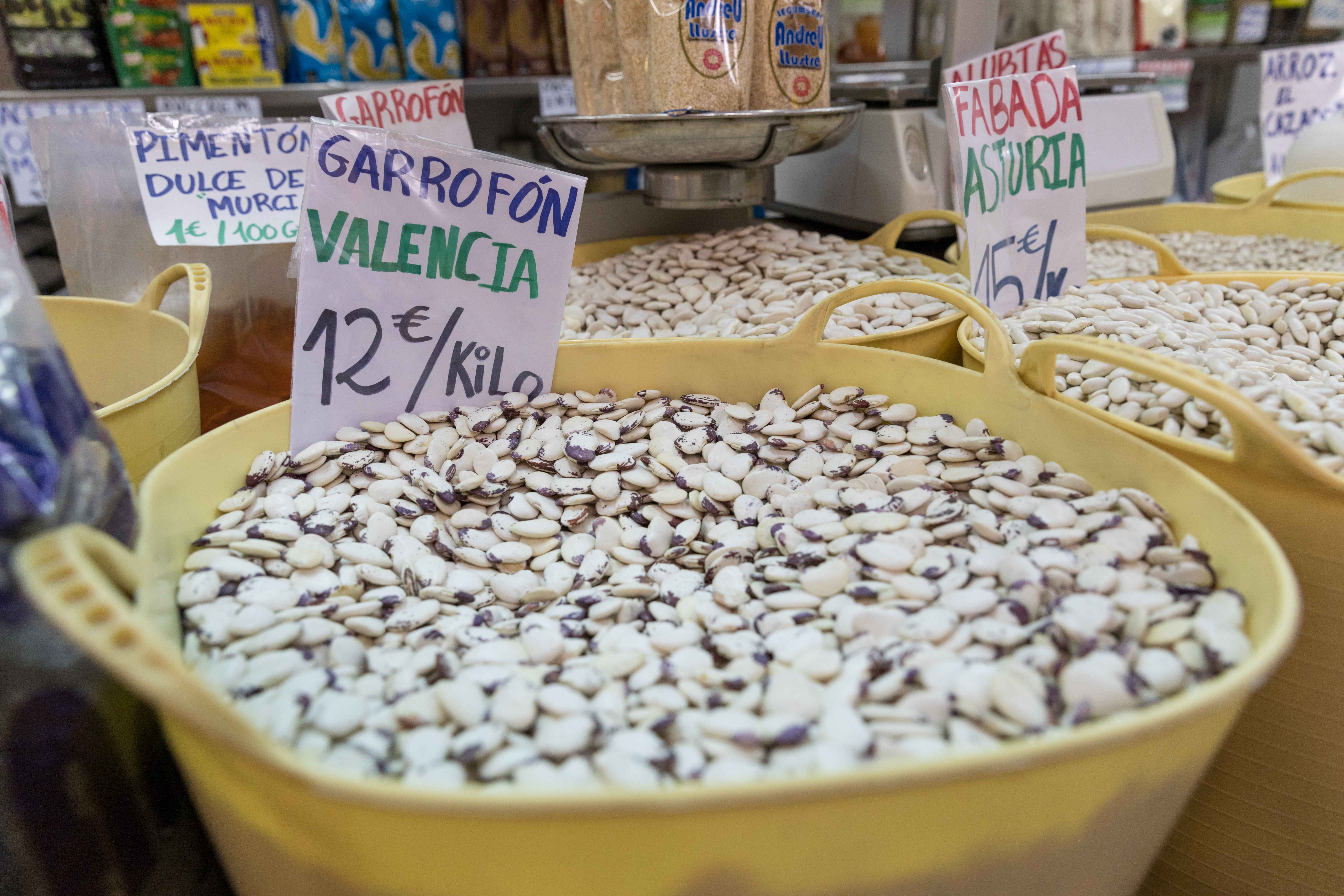
Any festival break, cycling route or beach day in the Region of Valencia is enhanced by a visit to local markets, where you can buy seasonal, locally sourced ingredients. Be sure to try garrofó pintat, an essential ingredient in an authentic Valencian paella, or cacau del collaret, a crisp peanut variety that is a staple of the region’s lunchtimes.
Come back

- Cookies policy
- Disclaimer
- Contact
- Newsletters
- Accessibility
-
© Turisme Comunitat Valenciana, 2026.
All rights reserved.