




Via Augusta Route in the Province of Valencia
Published 27/10/2026
Discover the Via Augusta in Valencia, the ancient Roman road that once linked cities across the Iberian Peninsula and today offers a fascinating journey through history and the landscape. From traces of the road in the heart of València to inland areas such as La Costera, walkers and cyclists can follow milestones, archaeological sites and a network of trails along the way.
The Via Augusta in Valencia takes you through places shaped by centuries of history, from central city streets to open countryside. Get ready to explore this two-thousand-year-old route on foot or by bike.
Where does the Via Augusta pass through the province of Valencia?
-
The city of València is a good place to begin exploring the Via Augusta. On the central Calle de San Vicente, eight stone milestones offer a reminder of the road’s long history and are well worth including in your visit.
-
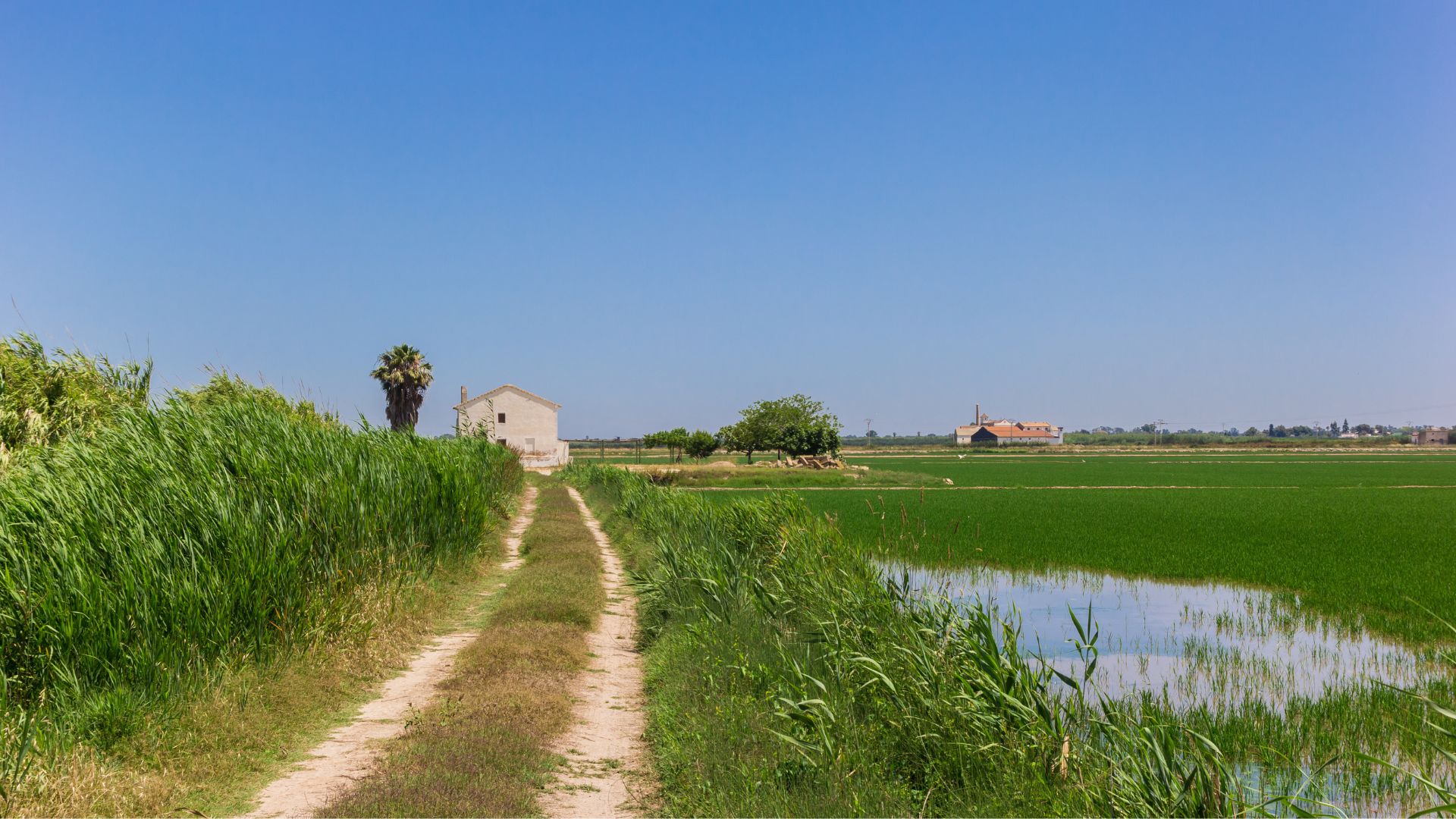
Leaving the city behind, sections of the Via Augusta in Valencia pass through protected landscapes of considerable ecological value, including L’Albufera Natural Park and the wetlands of La Safor.
-
In La Costera, the route covers 55 km. One of its most notable stretches runs from Xàtiva to La Font de la Figuera, crossing the River Albaida near Manuel. As you make your way from village to village along the Via Augusta in Valencia, you’ll also pass places such as Torre d’en Lloris, which belongs to Xàtiva, and Casa Real, part of La Font de la Figuera.
What Roman remains from the Via Augusta can still be seen in Valencia?
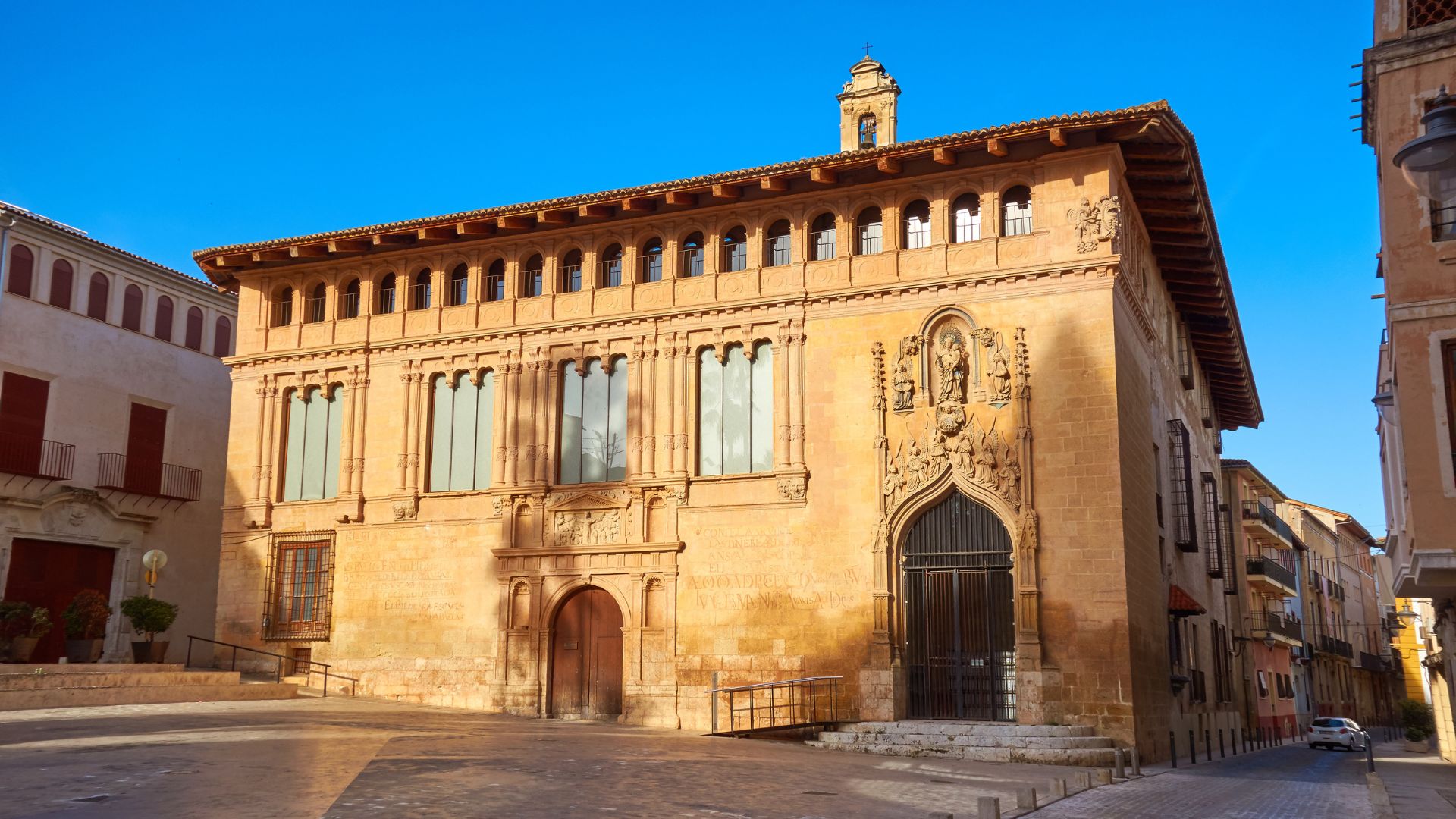
If you traced the Via Augusta on a map of Valencia, you would see how towns grew and monuments were built around it. In Sagunto, for example, you can visit its Roman theatre, while in Xàtiva you can find remains of the ancient Roman city of Saetabis on the approach to the castle.
How can you follow the Via Augusta in Valencia, on foot or by bike?
The route makes use of old livestock tracks and traditional paths, making it well suited to both walking and cycling, with sections that are not particularly demanding. It’s a rewarding way to combine nature and heritage while rediscovering the historic Camí dels Romans.


Come back

- Cookies policy
- Legal notice and privacy policy
- Contact
- Accessibility
-
© Turisme Comunitat Valenciana, 2026.
All rights reserved.