








Camino de Santiago de la Lana or the Requena Way: History and Stages
Published 23/11/2026
Discover the Camino de Santiago de la Lana, (The Wool Way) also known as the Camino de Requena, or Requena Way, a historic pilgrimage route through the province of Valencia and one of the quieter, lesser-known ways to Santiago. Here, we will look at its history and share practical advice on how to walk it.
The Camino de Santiago de la Lana, or Requena Way, offers you a quieter and authentic way to experience the Jacobean pilgrimage through the interior of the province of Valencia. If you are looking for a different kind of journey, walking or cycling with your rucksack through these inland landscapes is a rewarding way to explore it.
This historic route, known precisely as the Camino de Requena, or Requena Way, in its opening stretch, revives old transhumance routes dating back to at least the 15th century, which is where the name de la Lana, or “Wool Route”, comes from. It links València with Burgos before continuing towards Santiago de Compostela along the Camino Francés. Explore our landscapes and plan a unique trip!
How to walk the Camino de la Lana or Requena Way
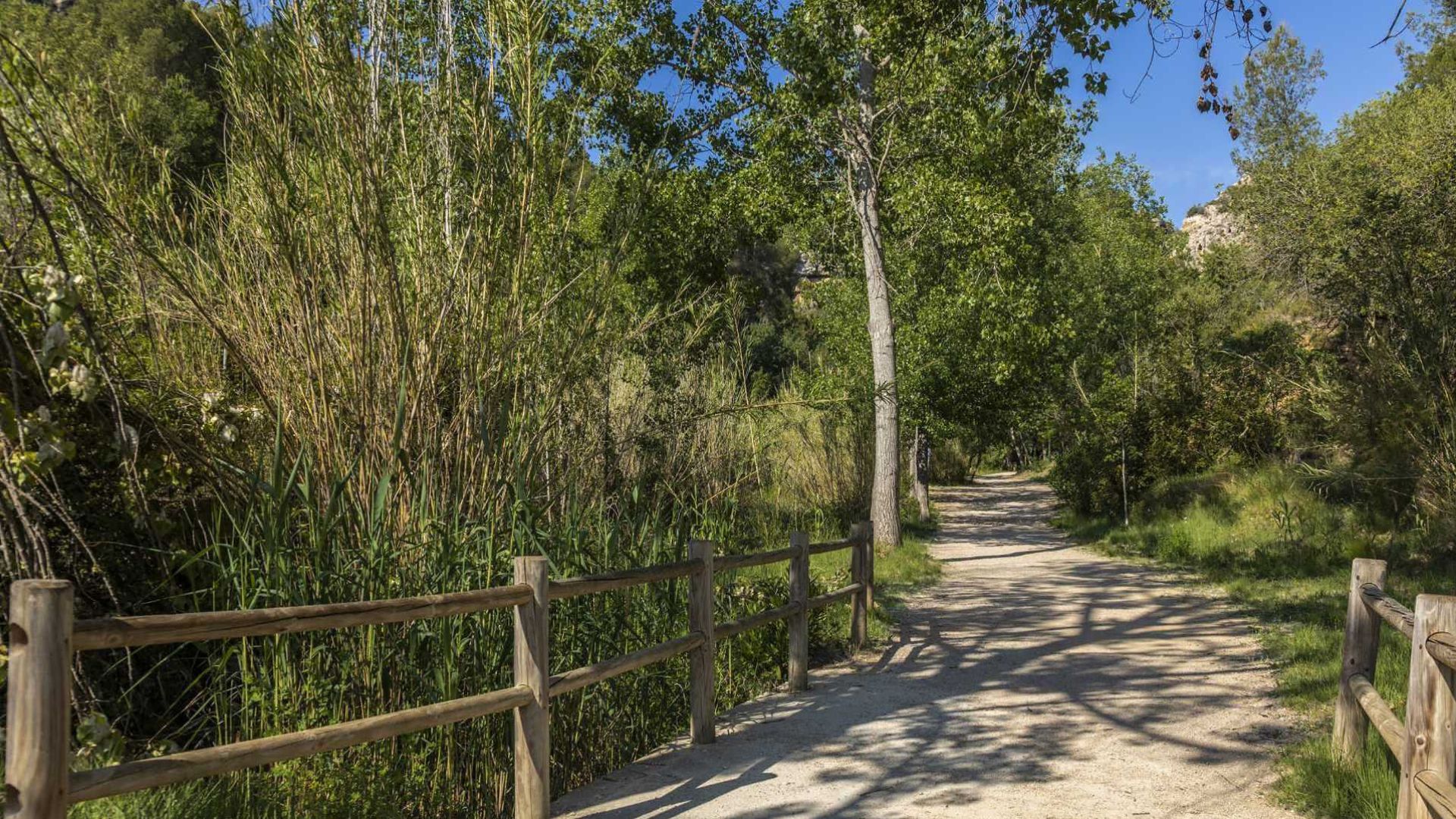
Following the Camino de la Lana through Requena and the surrounding towns is relatively straightforward thanks to its clear waymarking, with yellow arrows and the familiar scallop-shell symbols marking the route. It is also far removed from the crowds found on some of the better-known Caminos.
As almost the entire route can be cycled, you can follow the Camino de Santiago from Requena or from València either on foot or by mountain bike. Local commuter trains can also make travel between the early stages easier.
Stages of the Camino de la Lana in Valencia
The stages of the Camino de la Lana from the city of València cross natural areas, mountain ranges and extensive vineyards before entering the province of Cuenca and continuing across the peninsula towards Burgos:
-
Stage 1: València - Loriguilla: The route leaves the urban area behind, passing through Mislata, Quart de Poblet and Manises to connect with the landscapes of the Turia Natural Park.
-
Stage 2: Loriguilla - Buñol: The path continues through Cheste and Chiva towards the foothills of the Malacara and Cabrillas mountain ranges.
-
Stage 3: Buñol - Siete Aguas: This transitional stretch towards the inland plateau invites you to enjoy forest surroundings and local heritage.
-
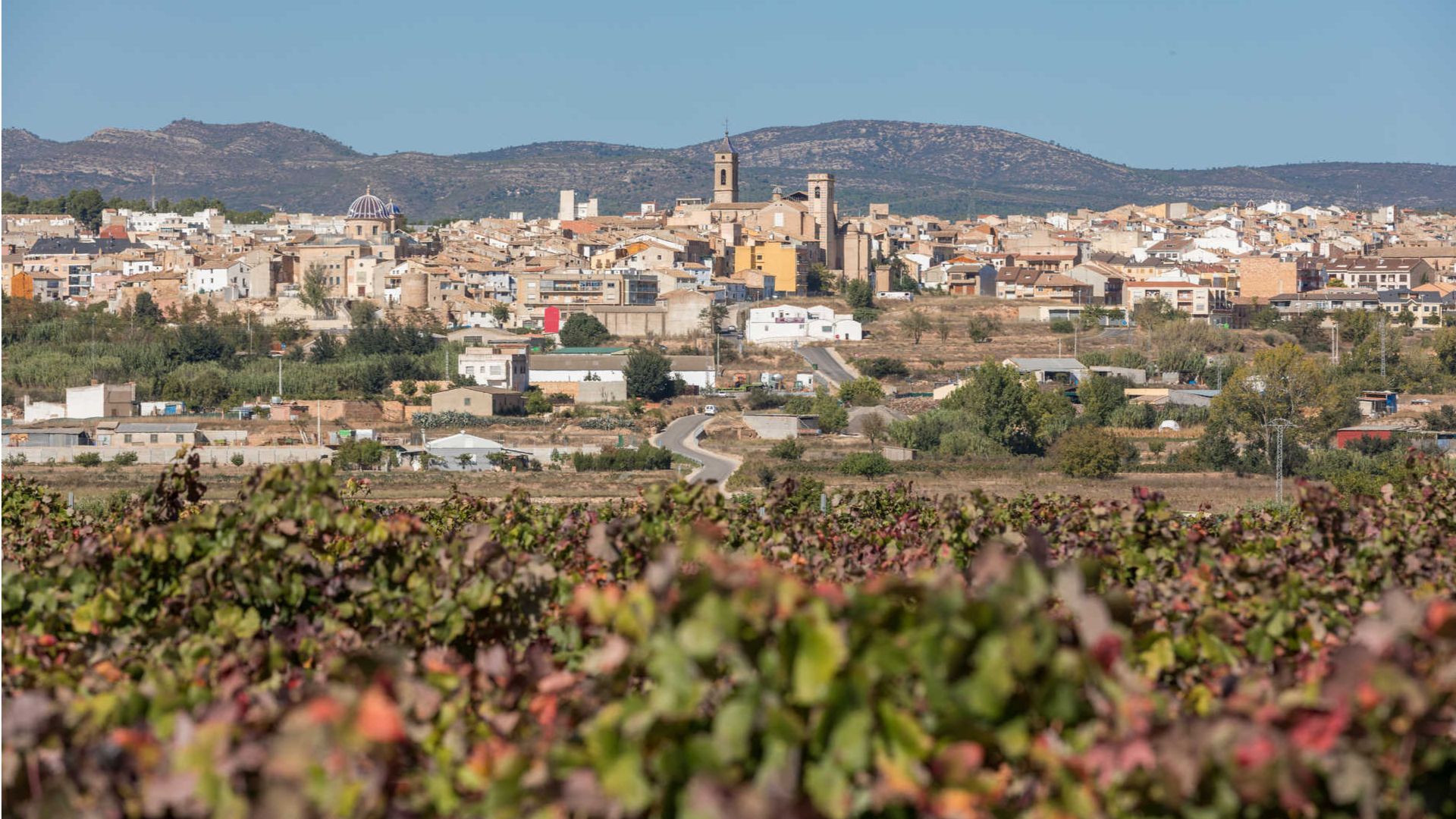
Stage 4: Siete Aguas - Requena: After passing through El Rebollar, you reach the city that gives this Valencian section its alternative name, a place with great monumental and tourist appeal.
-
Stage 5: Requena - Fuenterrobles: This stage runs through the vast vineyards of the area, passing through San Antonio, Utiel, Las Casas and Caudete de las Fuentes.
-
Stage 6: Fuenterrobles - Mira: From Camporrobles, the last town on the route within the Region of Valencia, the Camino crosses into Castilla-La Mancha and continues towards Burgos.
What Jacobean monuments and landmarks can you discover in Requena along the route?
As you pass through Requena, you will discover a valuable architectural and historical heritage where wine culture and the Jacobean tradition go hand in hand. It is worth setting aside an extra day to get to know the city and join a wine tourism activity:
-
The Barrio de La Villa is the oldest quarter in the town. Declared a Historic-Artistic Site, it preserves its original Muslim layout with narrow streets, small squares and walls that invite you to explore at a leisurely pace.
-
The Castle stands at one of the highest points in the town, with views across the surrounding countryside and vineyards. It also houses a museum dedicated to local history.
-
The Gothic churches of Santa María and El Salvador are two monumental jewels of Valencian Gothic whose ornate façades and altarpieces surprise visitors.
-
The Cuevas de la Villa form an underground network of former wine cellars and storage spaces excavated beneath the medieval quarter and are well worth visiting.
-
Finally, the Requena Jacobean Association, responsible for promoting, signposting and publicising this historic route, is qualified to issue your pilgrim credential. Get in touch with them if you need further information.
Pack your rucksack or bicycle panniers and discover an inland route where vineyard landscapes, historic heritage and the hospitality of its villages shape every step. Start planning the Camino de Santiago de la Lana, or Requena Way!


Come back

- Cookies policy
- Legal notice and privacy policy
- Contact
- Accessibility
-
© Turisme Comunitat Valenciana, 2026.
All rights reserved.