








Essentials
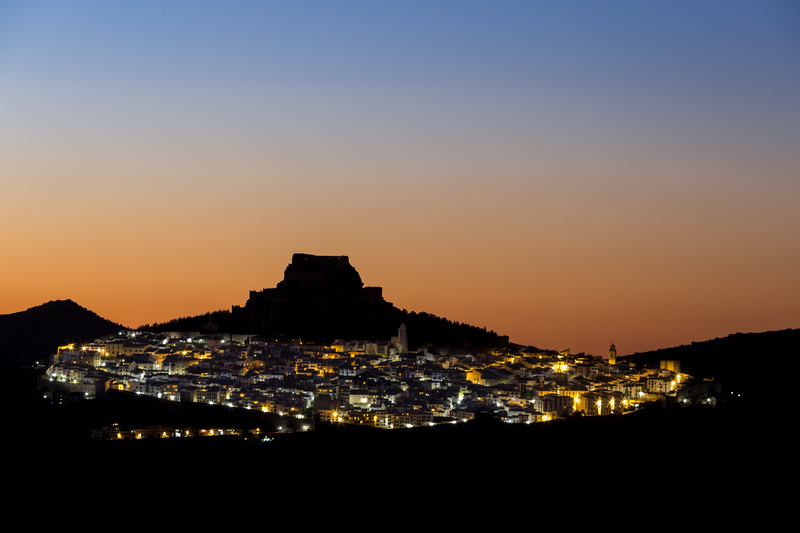
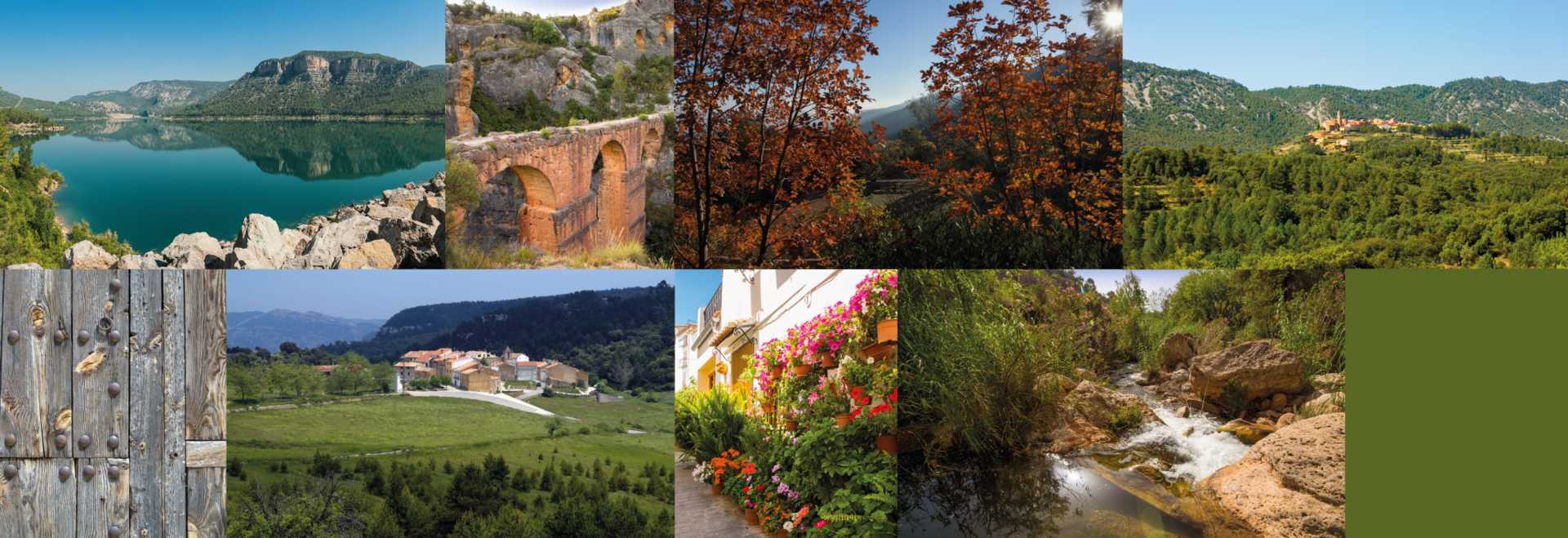
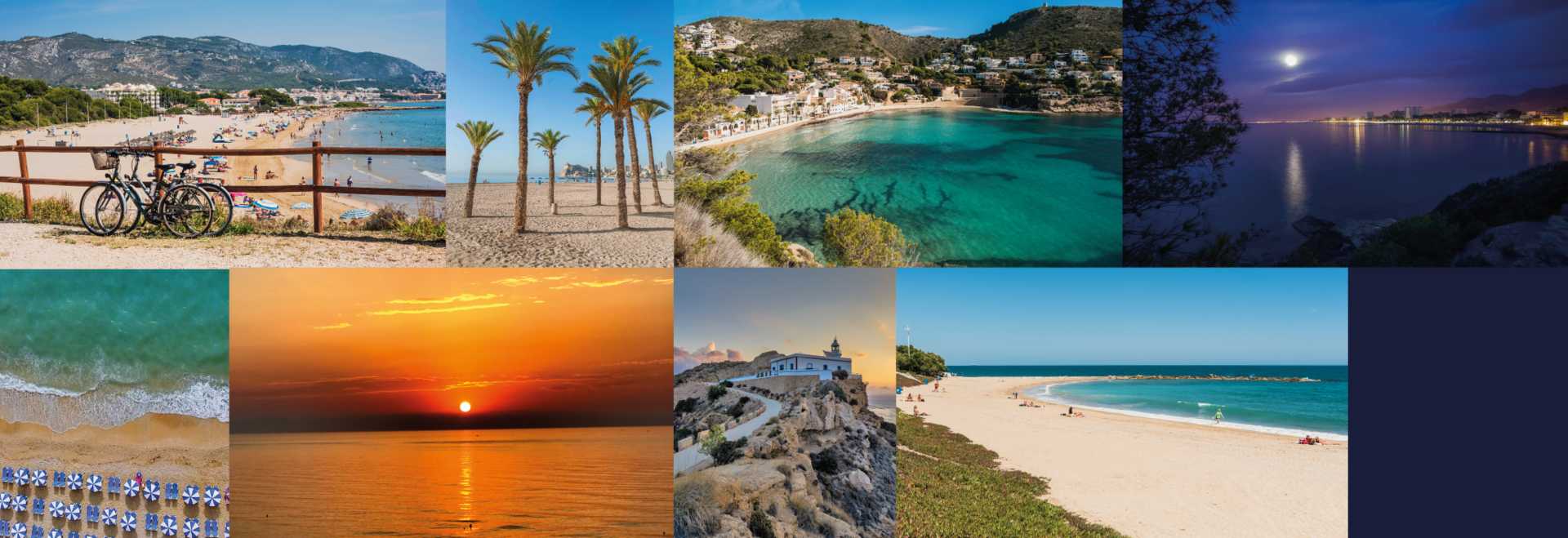
If you choose inner places to discover its history and its unusual landscape, places like Bocairent, Requena, Morella, Sant Mateu, Biar, the Castell de Guadalest are some of the municipalities that you will not want to miss. And to discover the pure Mediterranean essence, a walk through the streets of Jávea, Peñíscola or Gandia, among others, will be an authentic delight. A day of sun and beach in a unique environment!
In addition, the traditional and homemade cuisine of each of the places will put the finishing touch to your stay. You cannot say you have visited us without tasting the paella made on wood-fire or some rice made with traditional ingredients. An experience your palate will never forget!


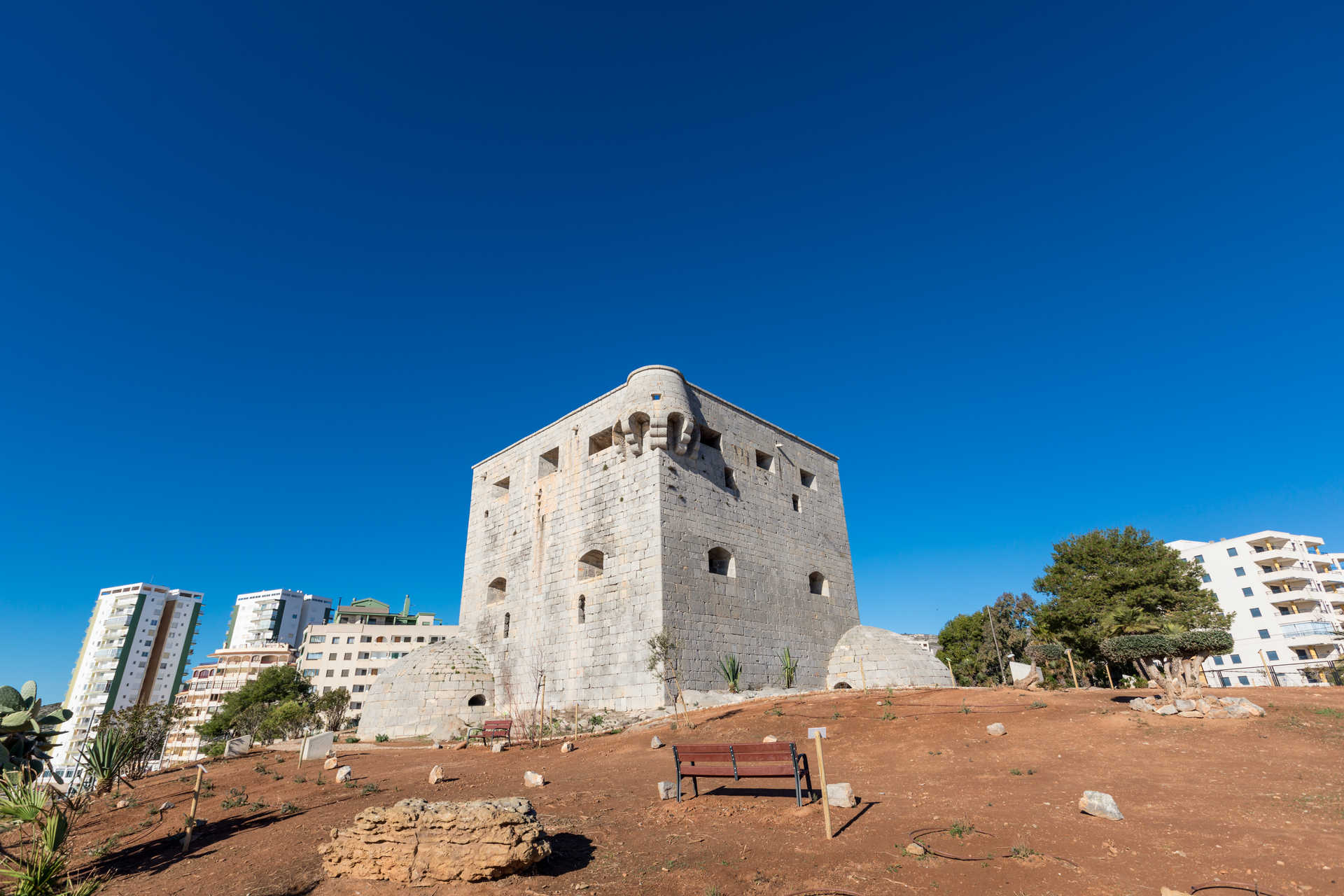
Torre del Rey, El Rey or King Tower, in Oropesa del Mar, is a significant historic landmark that dates back to 1413. It was commissioned by Fernando de Antequera, King of the Crown of Aragon, to defend the coastline against pirate attacks. In 1534, Juan de Cervellón reinforced the tower by extending its walls to an incredible four metres in thickness, transforming it into a formidable fortress. Later, in 1568, King Philip II purchased the tower for 10,000 ducats and gave it the name we know today.
In addition to providing protection for the people of Oropesa del Mar, the tower played a key role in promoting the town's repopulation and growth. Be sure to explore the tower and the surrounding area of Oropesa, where you’ll find wild coves and pristine beaches.
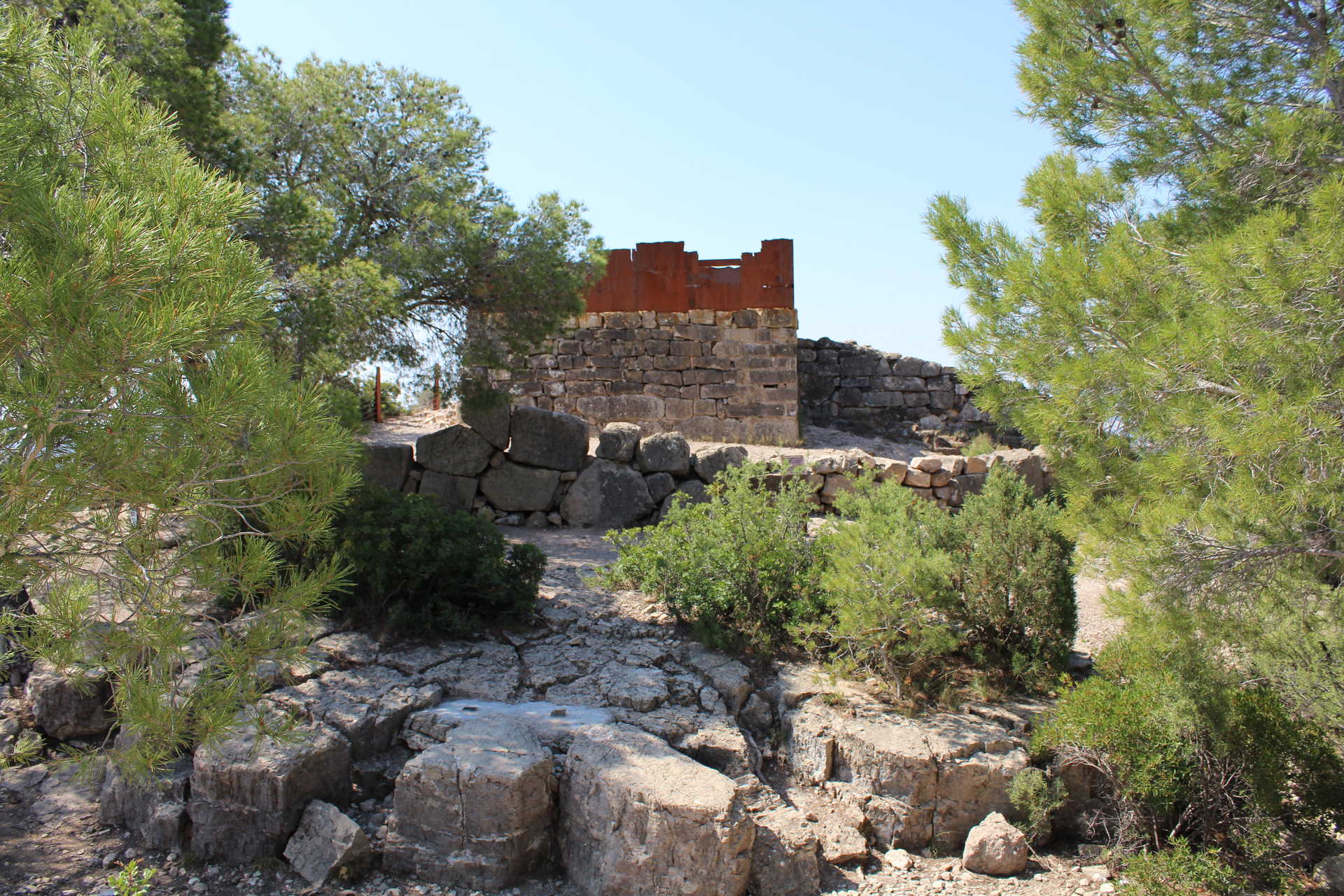
During your time in Olocau, make sure to visit Puntal dels Llops, an extraordinary archaeological site dating back to the Iberian period. Perched 427m above sea level on the southern foothills of Sierra Calderona, the site affords panoramic vistas over Camp del Túria, l'Horta de València and the coast.
Puntal dels Llops was once a watchtower that played a critical role in defending and monitoring Edeta, which existed between the 5th and 2nd century BC. The tower was inhabited by an aristocrat that was an elite equestrian warrior, his family and servants. The monumental wall, watchtower and rooms lining a central street reveal its strategic importance.
Archaeological excavations, which concluded in the 1980s, show that the settlement was a site of daily domestic activities as well as rituals, agriculture, mining and artisanship. The Puntal dels Llops museum collection, which is housed in Casa de la Senyoria, exhibits some of these findings.
There are various ways to immerse yourself in Puntal dels Llops’ rich history. The free guided tours, which run Wednesday to Sunday, give you a profound insight into the archaeological site. And then there’s Iberfesta, an exciting fair held every year in July that will immerse you in Iberian culture through themed activities and events.
If you’re looking for a more direct connection with the local landscape, there is a 5.8km walk that will take you through old cultivation land and Mediterranean woodland all the way to the impressive archaeological remains of Puntal dels Llops. These experiences give you the opportunity to discover and admire this important historic site.

Torre Campanario El Fadrí, El Fadrí Bell Tower, is an icon of Castelló de la Plana. Construction work on the tower commenced in the 15th century and concluded in the late 16th century. Sitting in the city’s Plaza Mayor, its name, El Fadrí, which means “single” in Valencian, refers to its free-standing nature, as it is not attached to the place of worship, Santa María la Mayor Church.
Approximately 60 m tall, El Fadrí Bell Tower is divided into 4 sections: the clock chamber, a prison, the bell-ringer's residence, and the bell chamber. The bell tower is open to visitors. It’s well worth climbing up the 200 steps as you can stand on the terrace that affords incredible panoramic views over the city. Come to Castelló de la Plana to explore centuries of history and take some great photos.
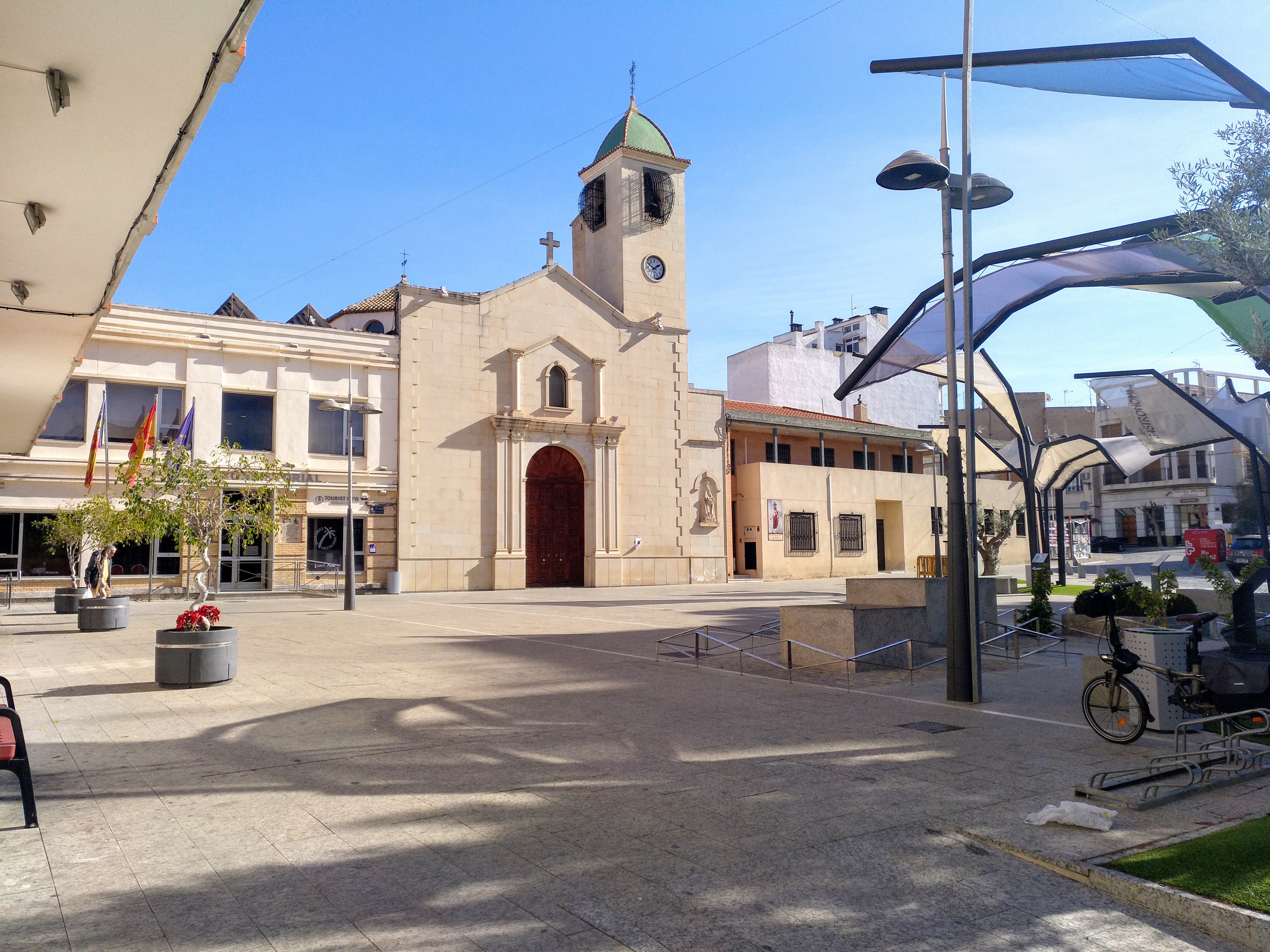
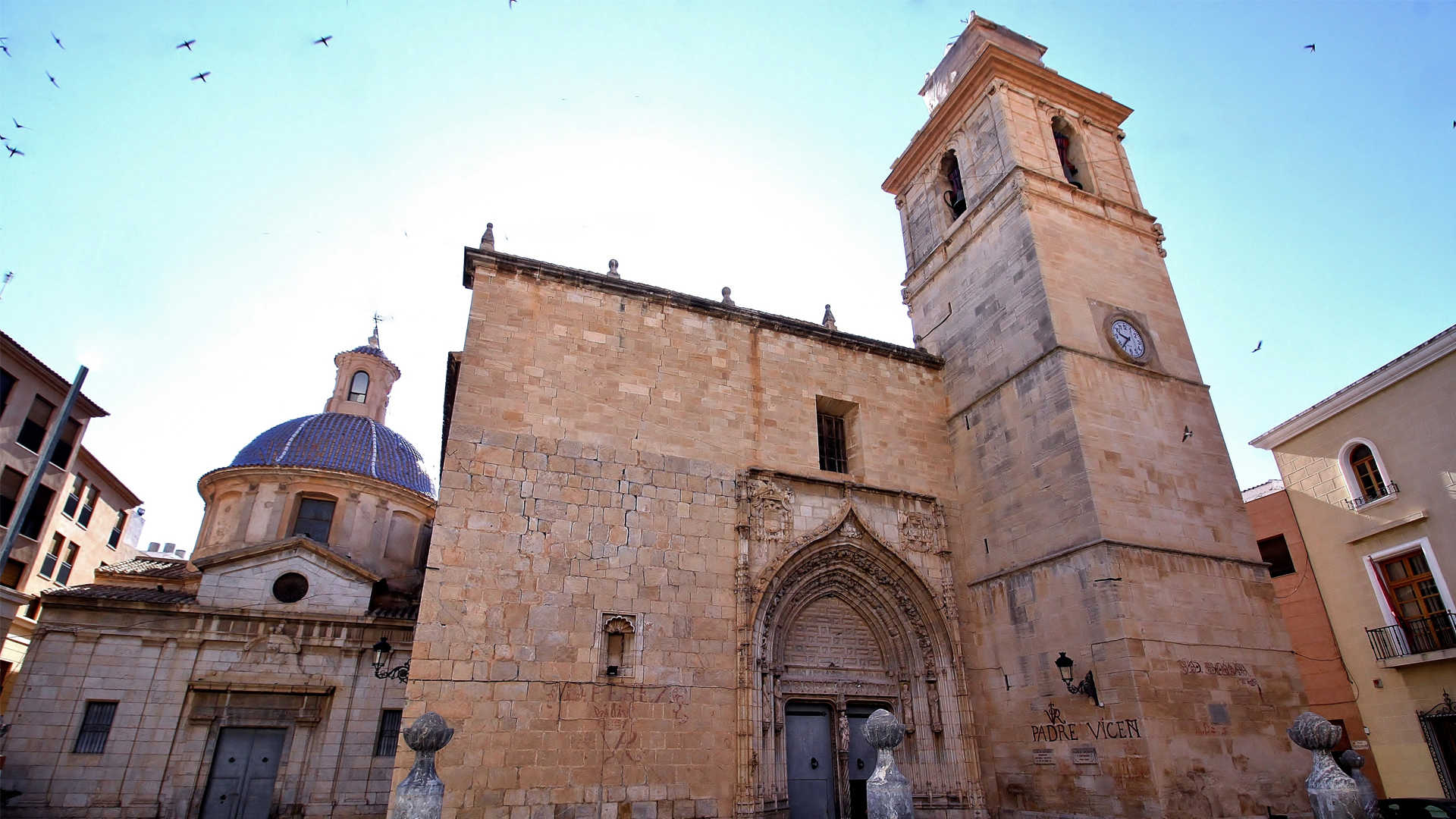
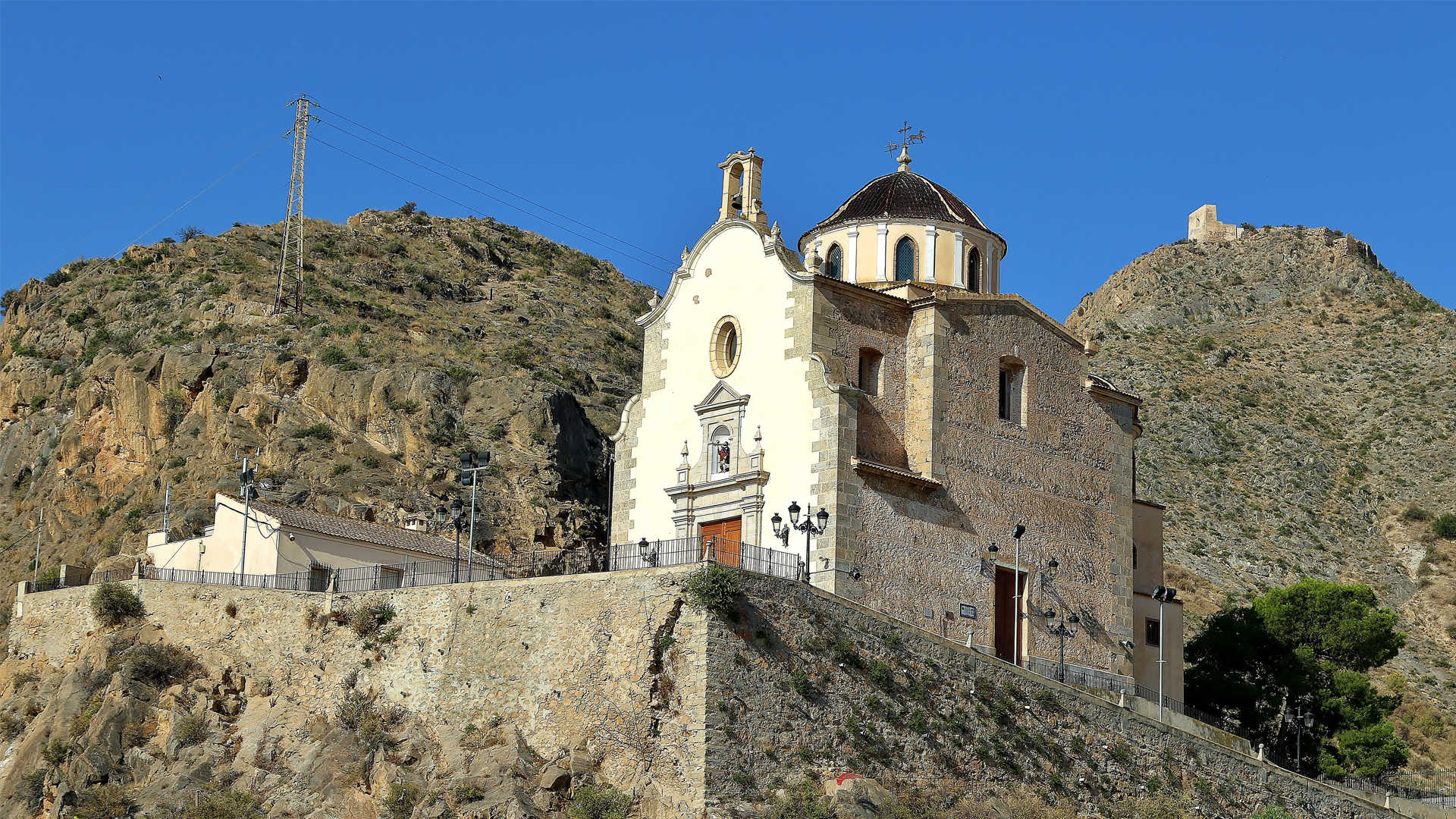
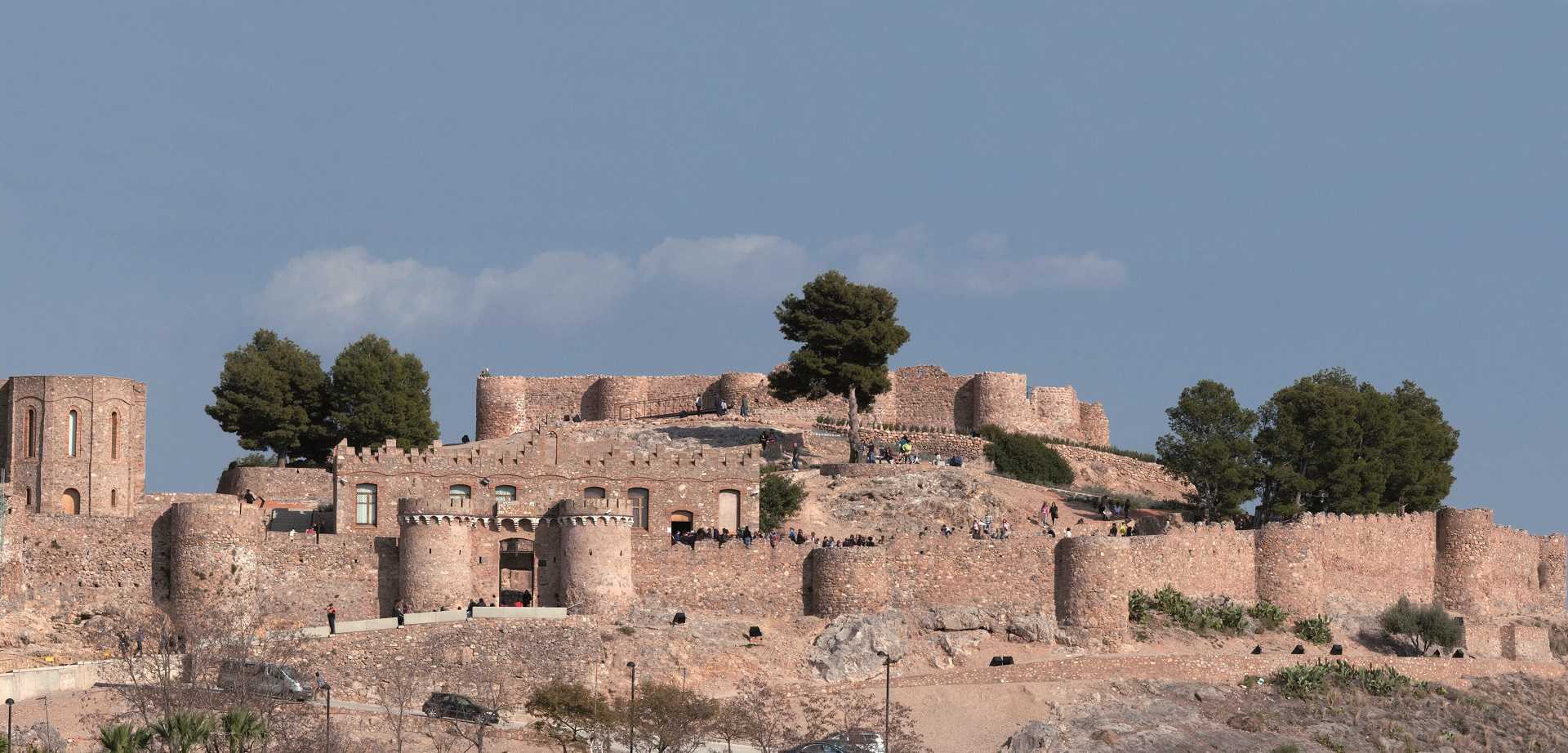
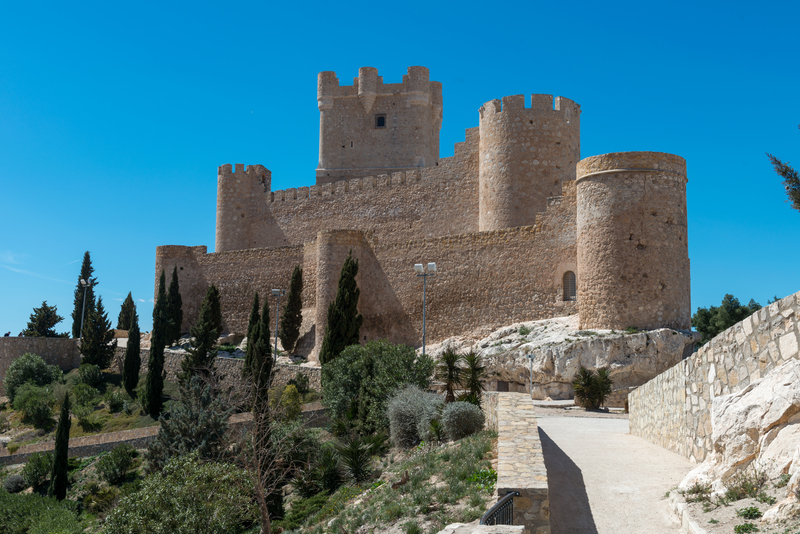
Literally meaning ‘castle of the 300 towers’, Castillo de las 300 Torres in Onda is a 10th century fortress built by the Muslims. The castle got its name from a line in a 13th century document that claims the fortress had “as nearly as many towers as days in the year”. Though there were never really 300 towers, the castle is an impressive historic site that is well worth a visit.
The castle has had many incarnations in its lifetime. Not only has it been controlled by El Cid, James I of Spain and the military order of the Knights Templar, Hospital and Montesa, the fortress has also been the scene of many battles as part of the War of Castilian Succession, War of Spanish Succession, Revolt of the Brotherhoods and was even occupied by Napoleon’s troops. More recently, the enceinte was used as a school and children’s camp by the Padres Carmelitas.
The castle comprises a walled medina wrapped around the Alcazaba - the residence of the person in charge - representing the final line of defence. Beyond this, for visitors today, one of the castle’s biggest draws are the spectacular panoramic views it affords over Onda.
Once you’ve visited Castillo, make the most of your time in Onda and wander the Medieval streets of the town’s historic centre. This is a destination where history is palpable.
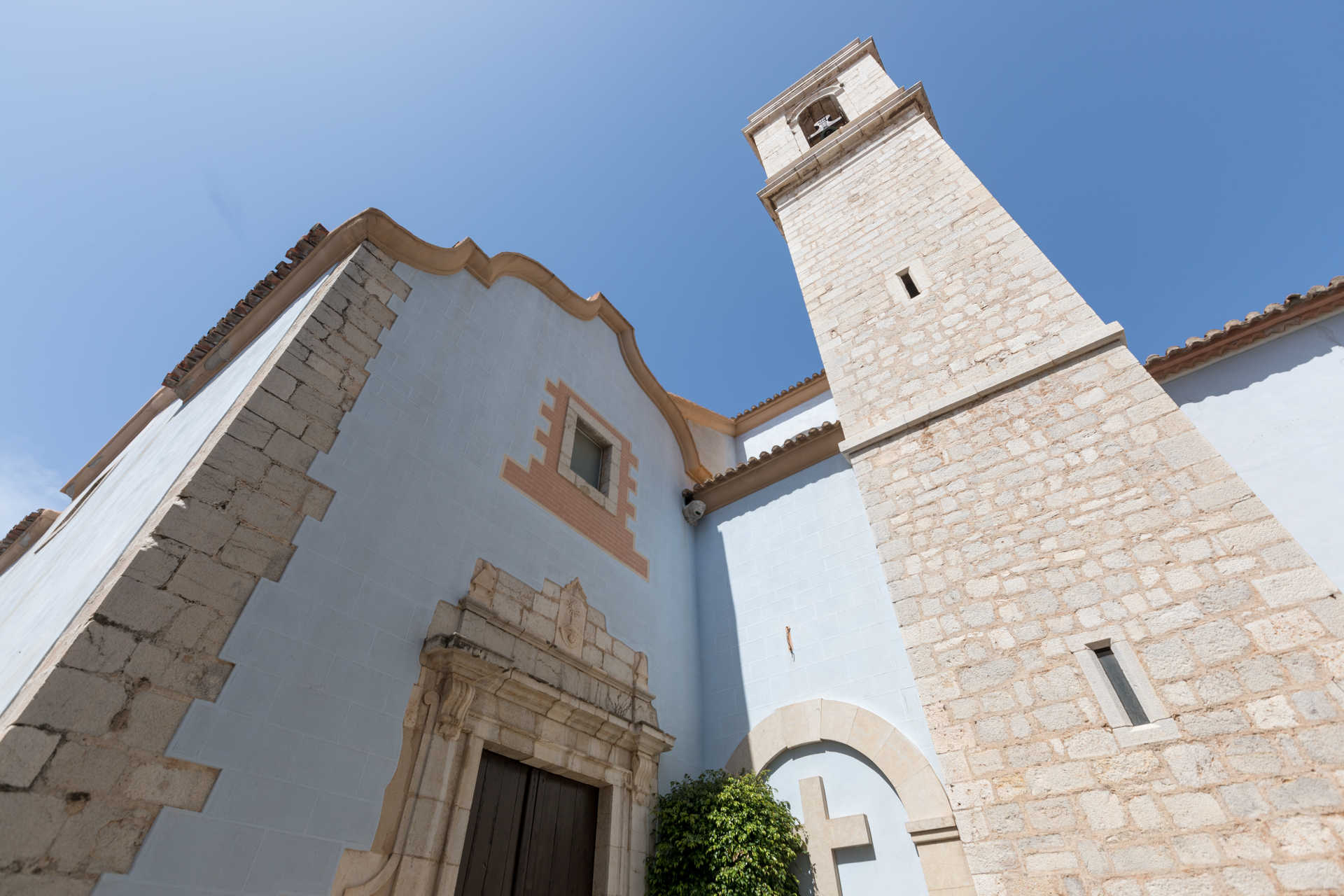
The Parish Church of Santa Maria, formerly known as del Socorro, is a building of great interest although little known. It must have been built after the reconquest following the uninave type with a wooden roof over pointed perpal arches, preserving from this time a door of Romanesque tradition, and rebuilding after a strong fire in the first half of the 15th century, this time covered with ribbed vaults whose nerves descend into imposts carved with busts and musical angels and are closed with keys that represent the Virgin with the child, crucifix, Saint Peter and Saint James.
It was enlarged between 1725 and 1739, prolonging and counter-orienting the nave by means of a higher construction that is covered by means of a barrel vault with lunettes.
Inside you can visit elements related to the stay of two popes in the municipality such as a processional cross and a chalice of Benedict XIII, Pope Luna, and a reliquary of Clement VIII.

The Town Hall is located in the Plaza del Portal square. The ancient building started life as the town's hospital constructed in 1790 for the care of the sick, and the poor and needy. In 1981 the building reopened its doors as Town Hall after having undergone a complete restoration.
La Plaza del Portal (Gateway square). This square can be found opposite the Town Hall. Its name refers to one of the old gates to the ancient walled town of Benissa that was placed there. Up until the ‘70s remains of the old wall were still visible as was the main gate to the town.
At one end of the square you will find the Fundación Abargues building. On the death of its owner -the nun Luisa Vives Abargues (born in 1899 joining the Congregation of the Sisters of Loreto at an early age)- in 1937 this estate was left to charity, to a foundation dedicated to the Christian education of the local children.
In the centre of the square a sandstone cross installed in 1974, reminds us of the original Cruz de Término (boundary cross), a monument that indicated the point where the town ended and that used to stand at the same place.
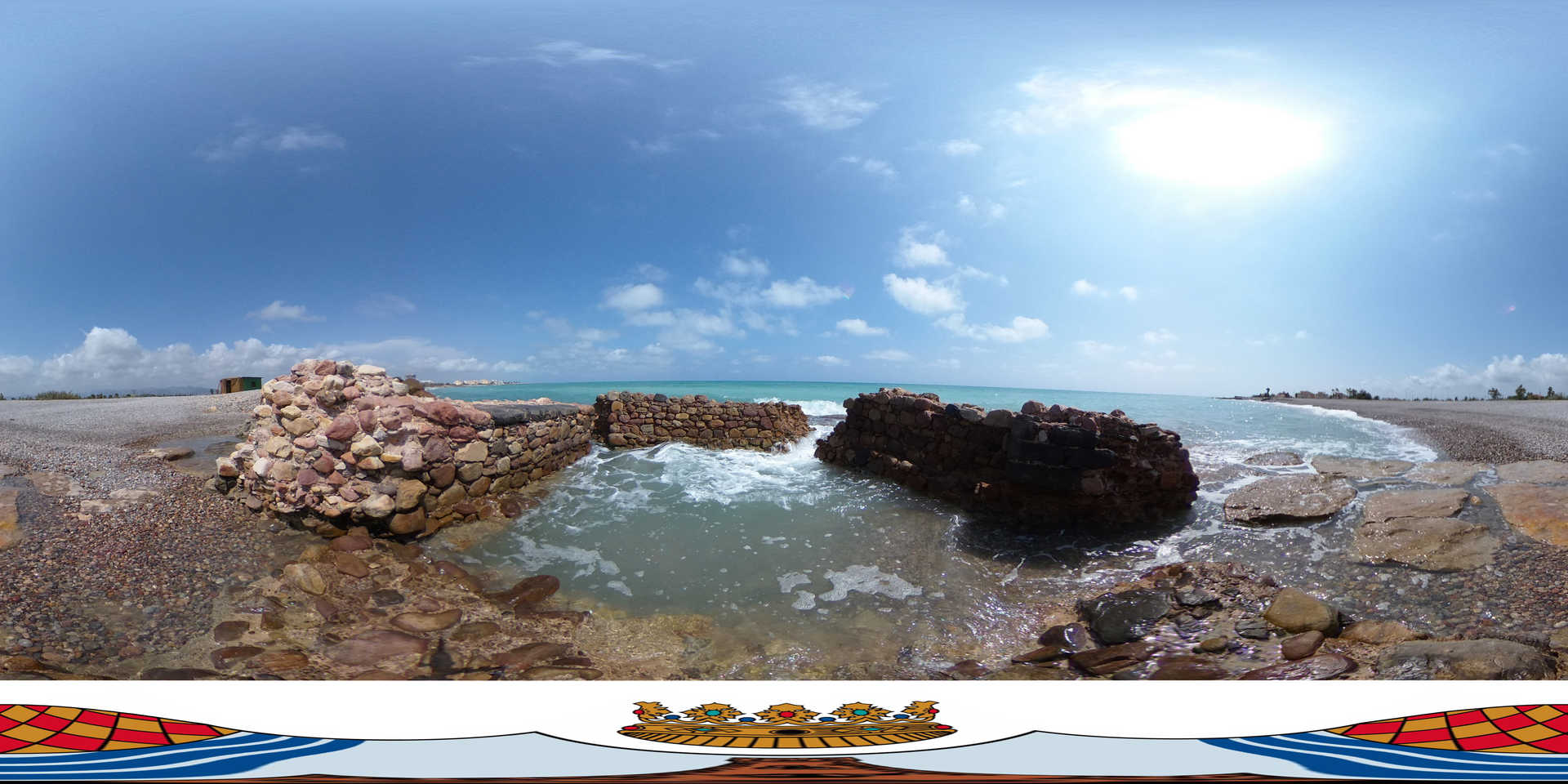
Torre Santa Isabel de Carrillo o Nova, Santa Isabel de Carrillo o Nova Tower ruins, in Moncofa, are a fascinating relic of a bygone era when towers were built on the coast to watch over the horizon.
The watchtower in Moncofa was built between 1613 and around the mid 17th century. Today, only parts of the stonework still stand, but the monument’s original square pyramid shape is still visible. It was originally seven metres tall and it is thought that it was destroyed by the English in boats in 1801, as was the case with its neighbouring tower Almenara.
Santa Isabel de Carrillo o Nova Tower ruins are a great place to stop at while exploring Moncofa and its surroundings. Make sure you head out into the countryside along the Belcaire Blue Trail. This coastal walkway is only four kilometres long and accessible for wheelchair users. The path runs along the Belcaire river where you can immerse yourself in the local flora and fauna. It’s also a great bird watching spot so bring your binoculars.
Make the most of your time in Moncofa by getting to know the pretty beaches nearby and the picturesque historic centre. Start planning your trip away now!
Come back

- Cookies policy
- Disclaimer
- Contact
- Newsletters
- Accessibility
-
© Turisme Comunitat Valenciana, 2026.
All rights reserved.