








Essentials
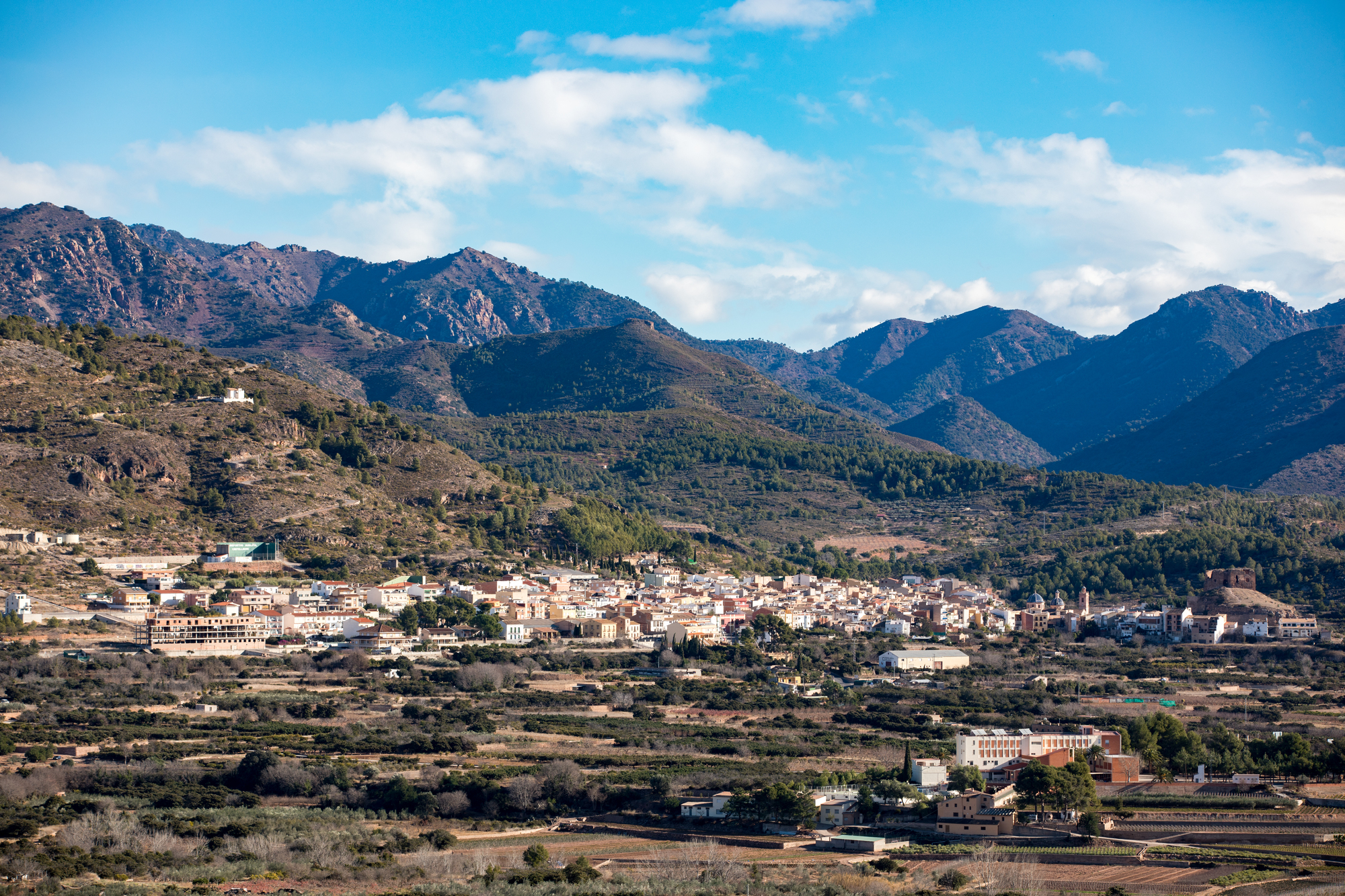
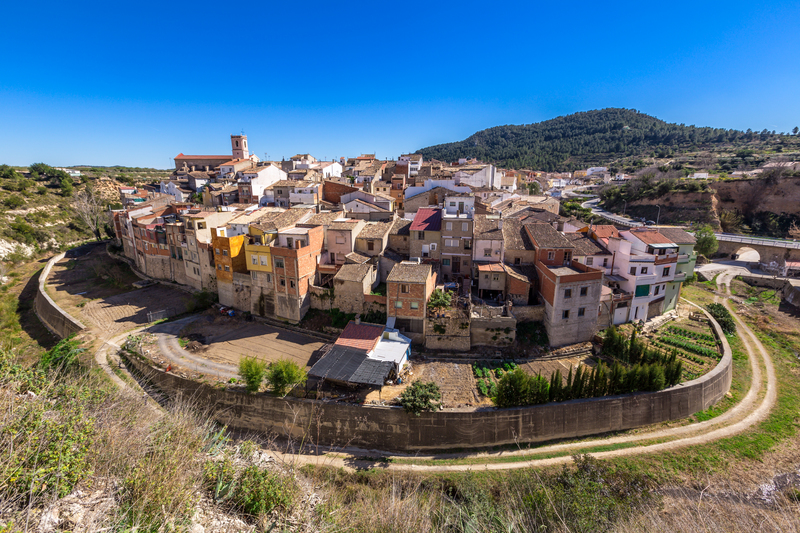
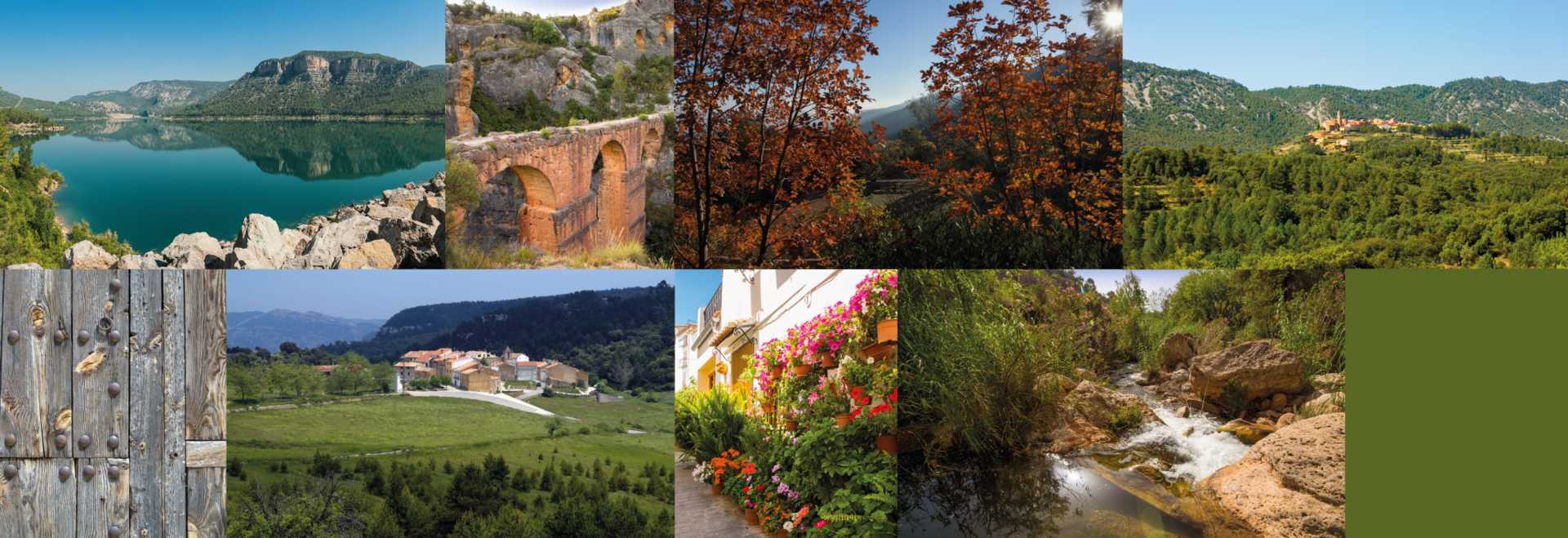
Three Mediterranean provinces full of incredible contrasts and unique corners to discover. Charming inland villages, natural parks, historic centres, beaches with crystal clear waters, cities facing the sea ... The Region of Valencia has many things to show you. Emblematic places that will make of your visit an unforgettable experience.
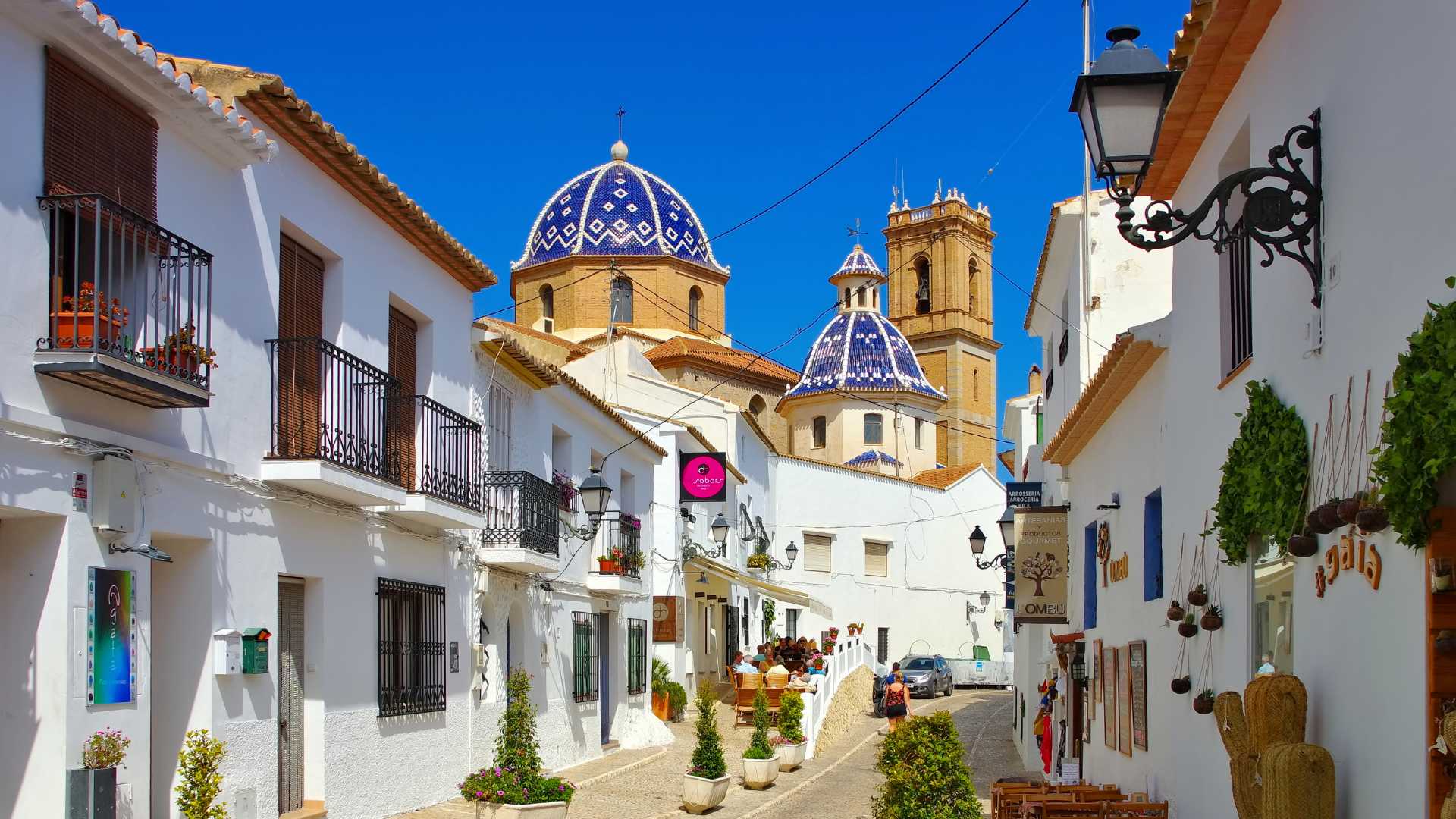
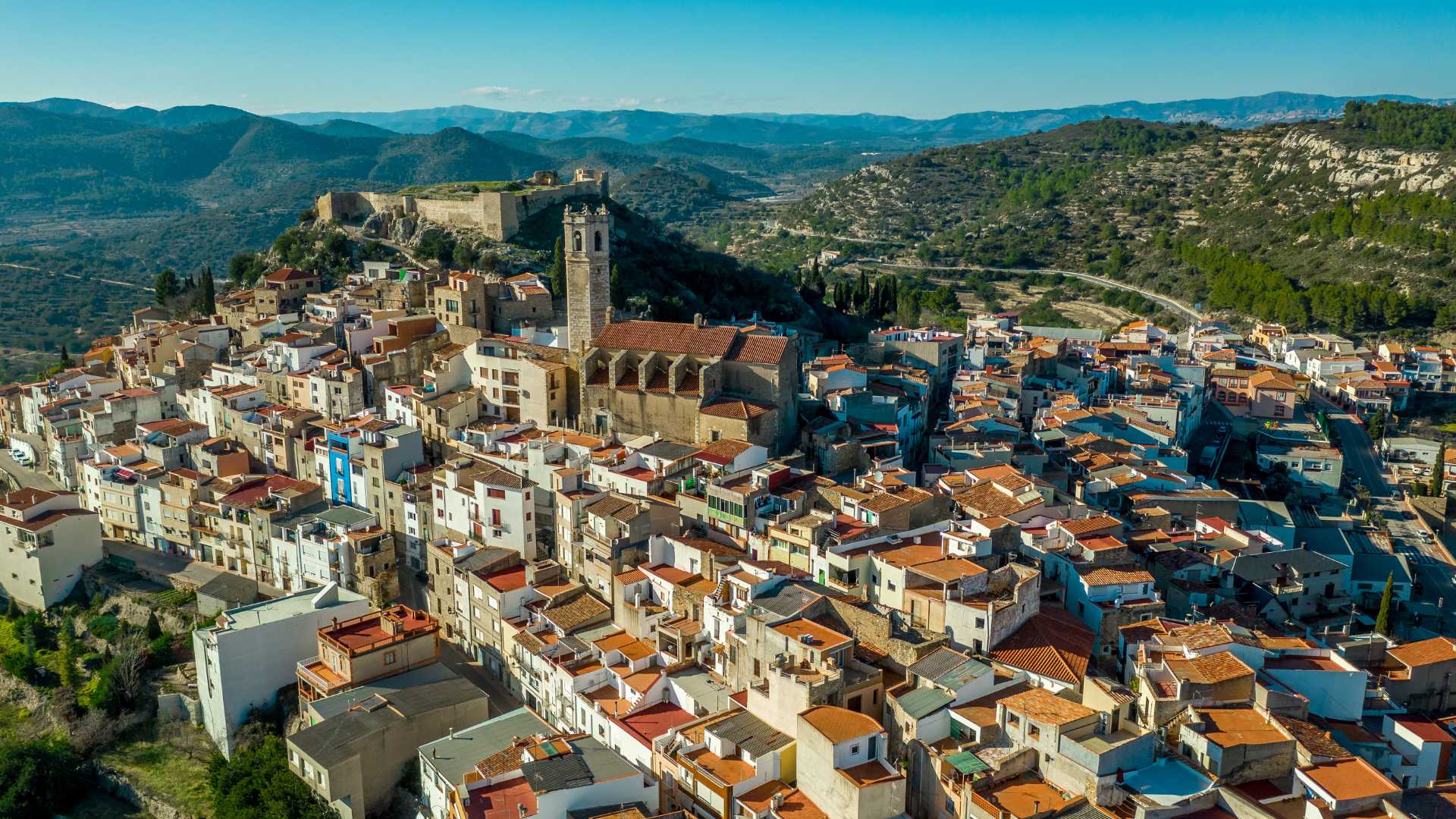
If you choose inner places to discover its history and its unusual landscape, places like Bocairent, Requena, Morella, Sant Mateu, Biar, the Castell de Guadalest are some of the municipalities that you will not want to miss. And to discover the pure Mediterranean essence, a walk through the streets of Jávea, Peñíscola or Gandia, among others, will be an authentic delight. A day of sun and beach in a unique environment!
In addition, the traditional and homemade cuisine of each of the places will put the finishing touch to your stay. You cannot say you have visited us without tasting the paella made on wood-fire or some rice made with traditional ingredients. An experience your palate will never forget!

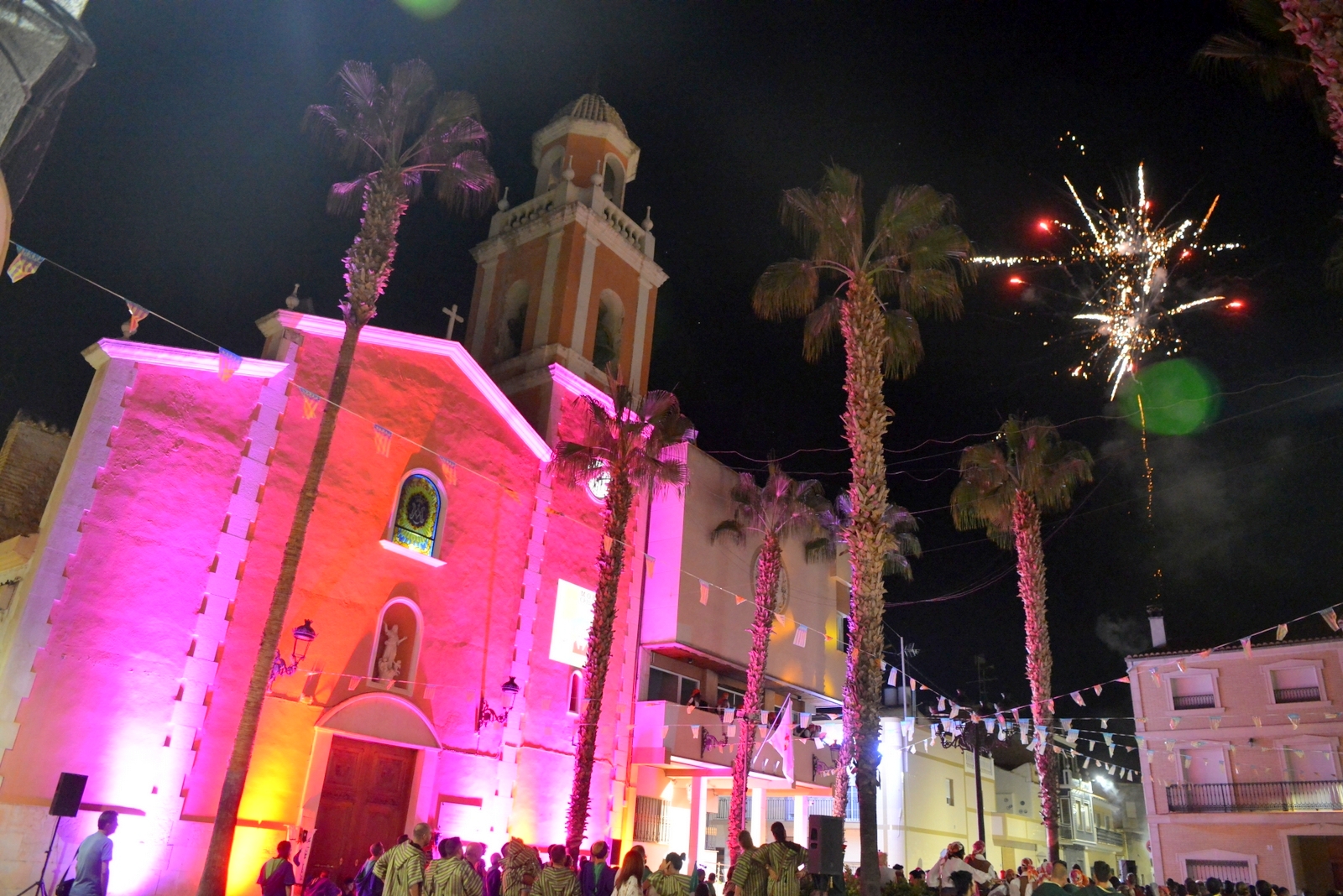
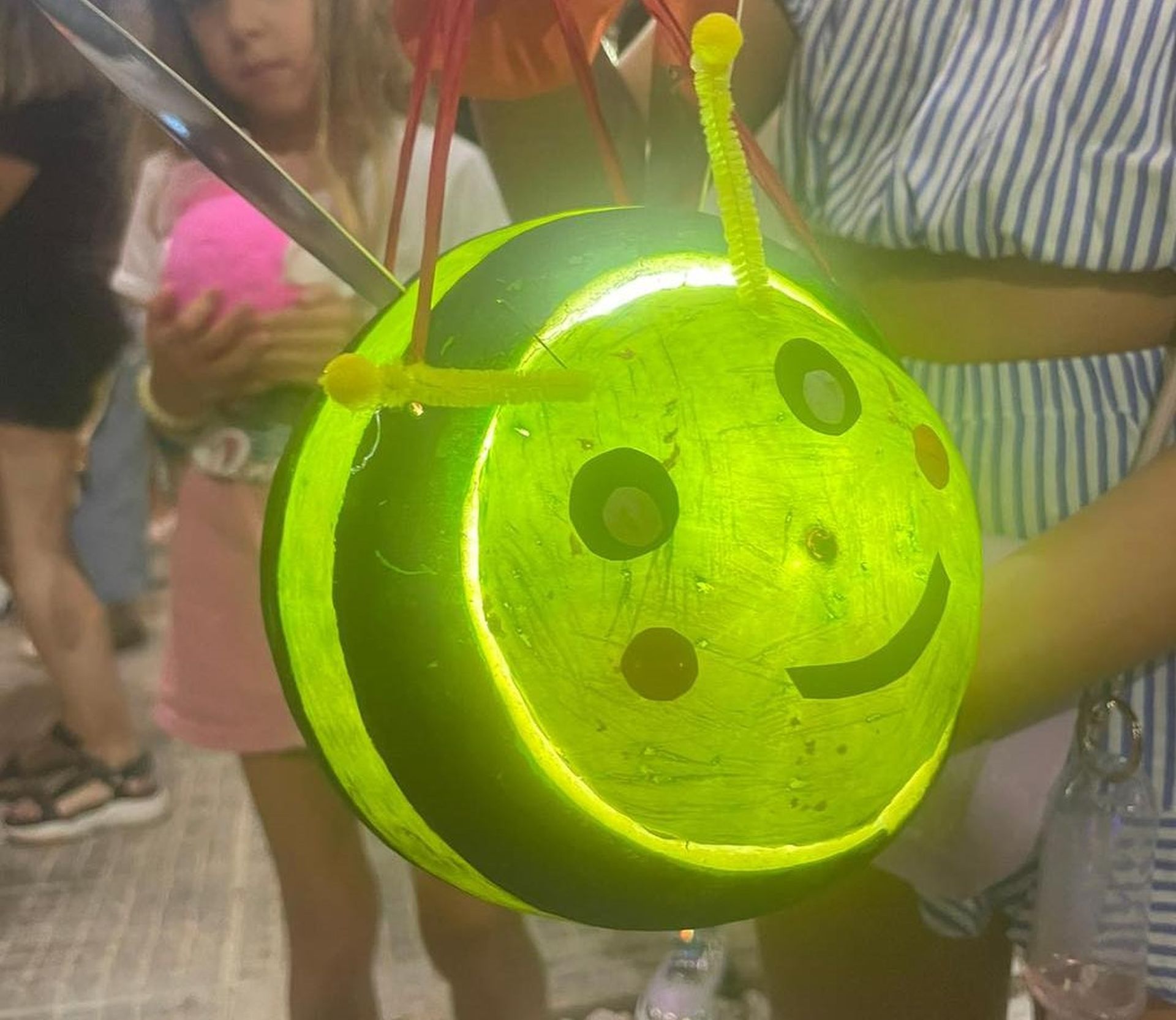


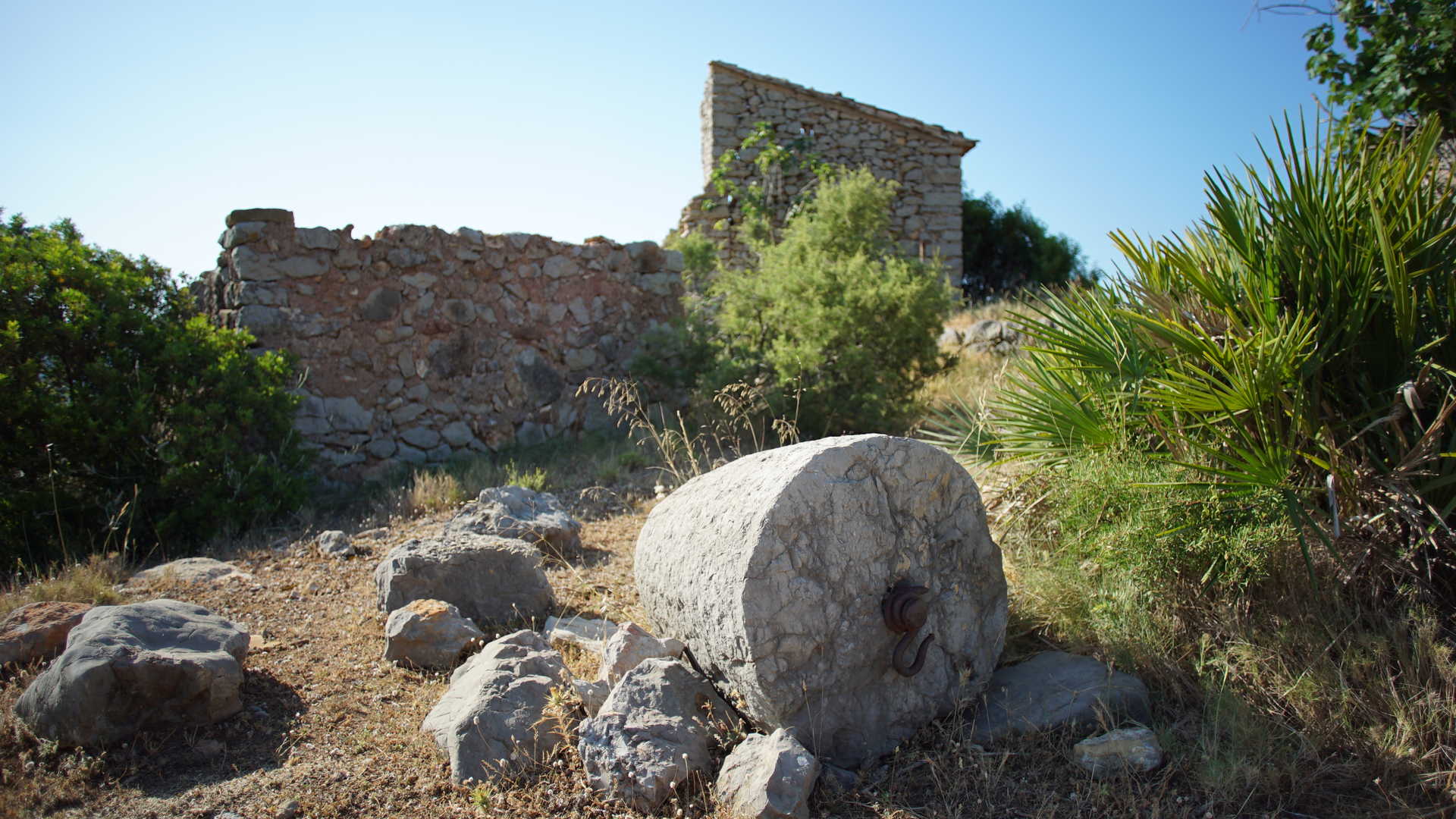
Buey Negro Castle is a Site of Cultural Interest and part of Argelita’s historic heritage. The castle sits on a mountain straddling the border of Argelita and Ludiente, on a rocky parapet crossing the strait of the river Villahermosa. It sits 748m above sea level and can be reached along trails that will take you up the mountain, immersing you in spectacular scenery.
It is not clear when Buey Negro Castle dates back to, though there are documents speaking of its existence in the late 12th century. It is a large fortress overlooking vast expanses of land. Access was protected by a curtain wall and a tower defending the entrance. Inside there was a rectangular stone tower.
The castle was prominent in the Muslim period, but it soon fell into disuse. In the 19th century, the space was occupied by two farms that used the castle’s stones for its agricultural work. It is now in a state of ruin, although sections of the curtain wall and the foundations of the towers are still standing. During your time in Argelita, turn your gaze upwards to see the remains of the castle sitting up high. If you’re keen, pull on your walking shoes and start making your way up the mountain to see it up-close.
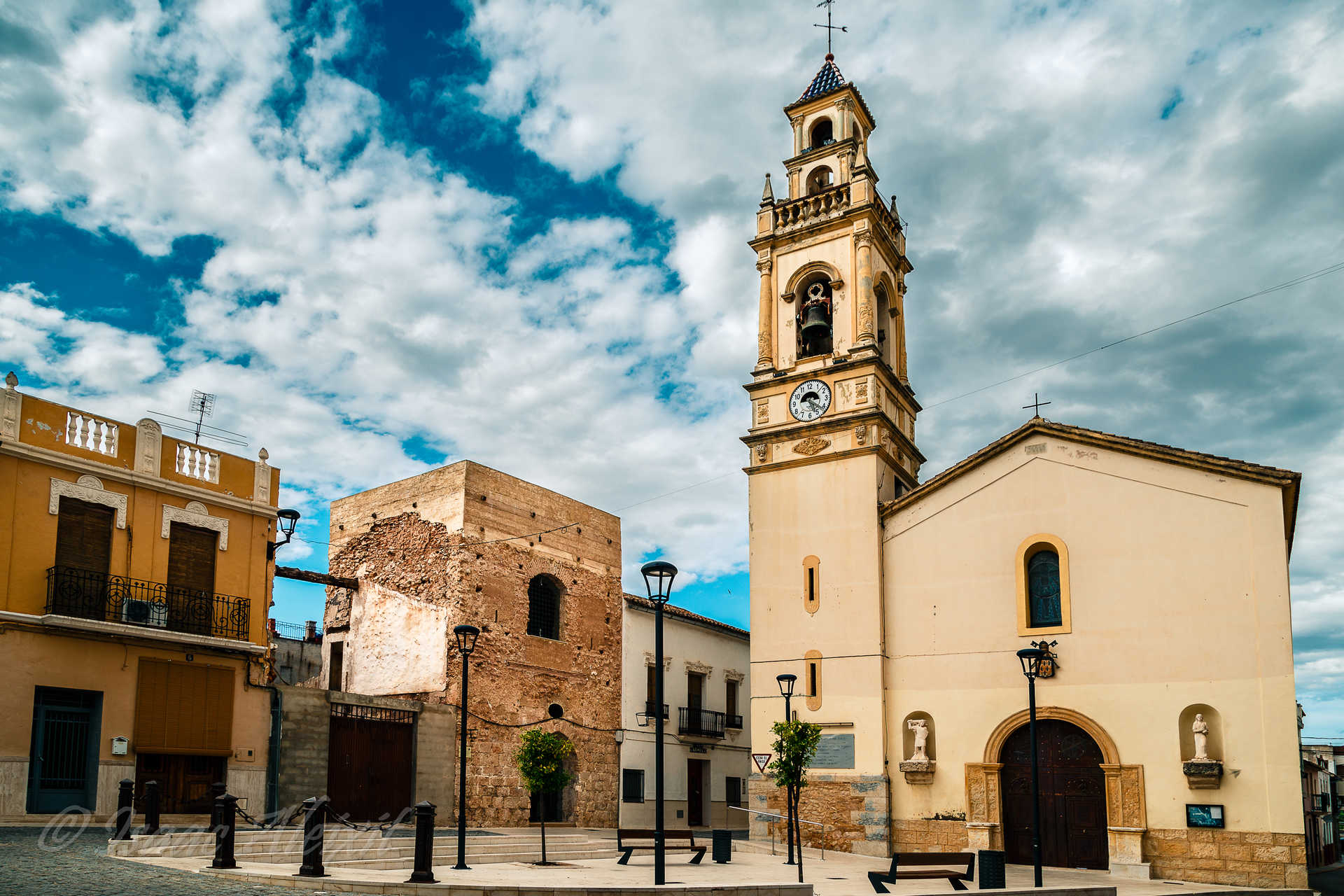
Iglesia Parroquial de San Miguel Arcángel y Santa María Magdalena, San Miguel Arcángel and Santa María Magdalena Parish Church, sits in a lovely square in Massalavés alongside the restored Massalavés Gate, a monument that has a long history behind it.
The church is in the Late Gothic style. Construction work on it commenced in the 12th century, making it an old place of worship. In fact, it is built atop the old mosque.
From the outside of San Miguel Arcángel and Santa María Magdalena Parish Church, you can see the bell tower, which has a square plan.
The bell tower has three sections. The first section, from the bottom, doesn’t have anything of note, aside from the loop holes that provide light to the staircase. The second section has plenty of decoration and the clock dial. And the final section houses the bells, which you can see. Come and take a stroll through Massalavés and enjoy looking at this building.
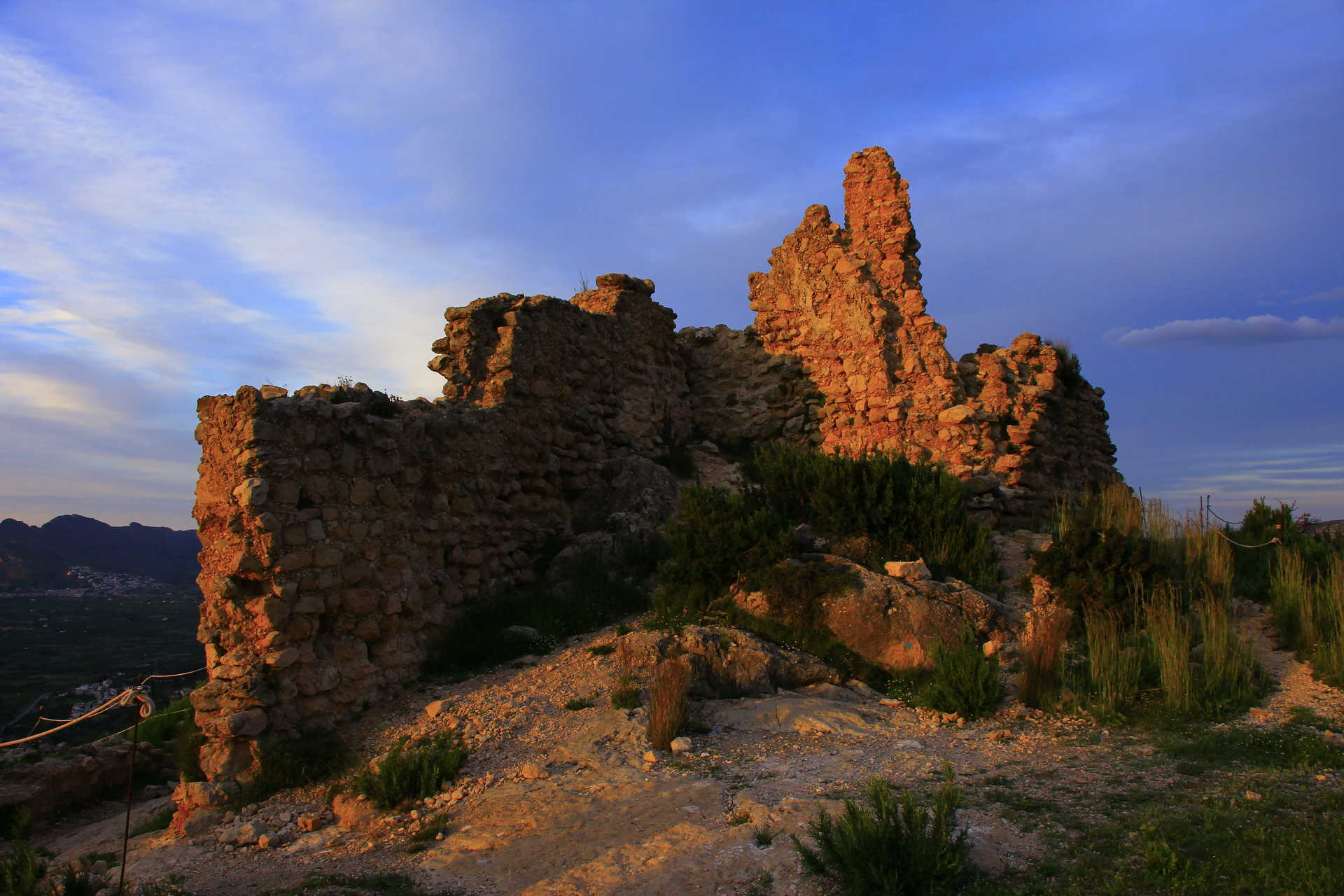
The municipality of Orba is home to an historic monument that has been listed a Site of Cultural Interest: Orba Castle, which is also known as Awraba Castle or simply El Castellet.
Orba Castle sits to the south-west of the village atop a hill that is 420m high. The fortress dates back to the Islamic period when it was part of the Barony of Pego, which Jaime I gave to his son Pedro. El Castellet guarded the entrance of the Rectoría and Laguar valleys, and was conquered in the year 1245.
Built using the rammed earth technique and stonework, the castle has an irregular plan. Though the castle has been left in ruins over the passing of time, you can still see some architectural elements, such as low sections of walls and one of the faces of the main rectangular tower. Nevertheless, it is well worth coming to visit what remains of the castle to breathe in the excellent vistas over the agricultural land populated with citrus, almond and olive trees.
If you are wondering what to see in Orba, the castle is one of its most interesting sights. While you’re in the town, make sure you take the time to stroll through the historic centre, peak into La Font de Baix wash house and visit the parish church. Come and enjoy this charming town in the province of Alicante.
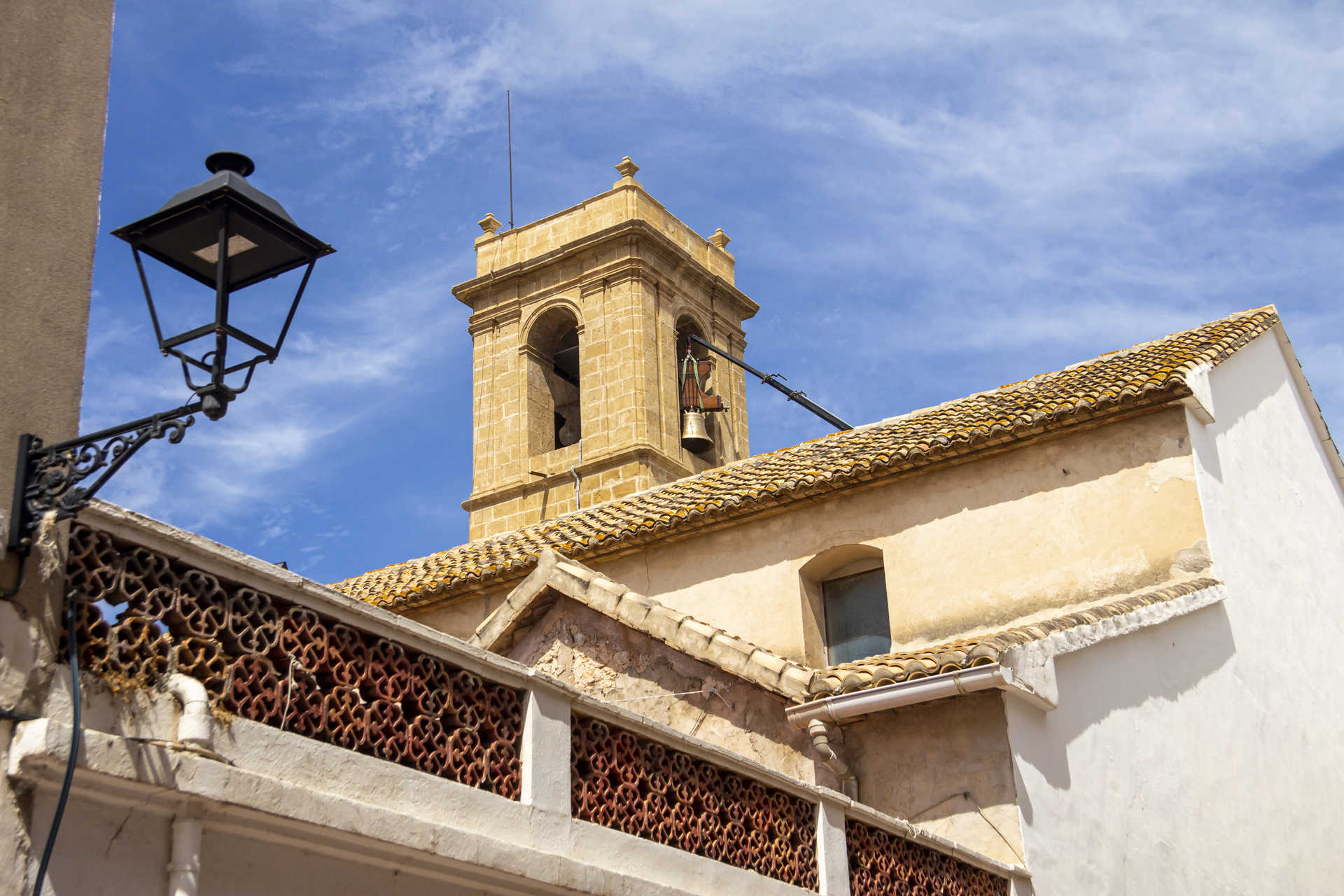
Located in the province of Alicante, Orba is a municipality swept up in natural beauty, making it the perfect place for a getaway in which you can disconnect from your routine and roam the valleys of La Marina. If you fancy taking a walk through the streets of Orba, you’ll soon find yourself standing in front of the church, which we recommend you visit so you can enjoy each and every detail.
Iglesia Parroquial del Nacimiento del Señor, El Nacimiento del Señor Parish Church, is listed a Monument of Local Interest. The church was built on an old mosque, but the present-day appearance of the place of worship dates back to a number of renovations that were conducted in the 19th and 20th centuries. Extensions, remodels and new decoration by Carlos Ruano Llopis, a painter from Orba, completed in 1917, filled the walls with his talent and resulted in pieces like 'La Profecía de Abraham', which ornates the face of the High Altar.
The bell tower is one of the most characteristic elements of this church in Orba. It was built in the mid-19th-century, with a square plan and a quadrangular shape. It is thought that the tower is probably the work of Toribio Iscar Sáez. In its highest part, the bell tower houses three bells namely, La Grande (the big bell), La Menuda (the small bell) and La Mediana (the medium bell).
Are you wondering what to see in Orba? Make your way to this church and allow yourself to be seduced by its charms.
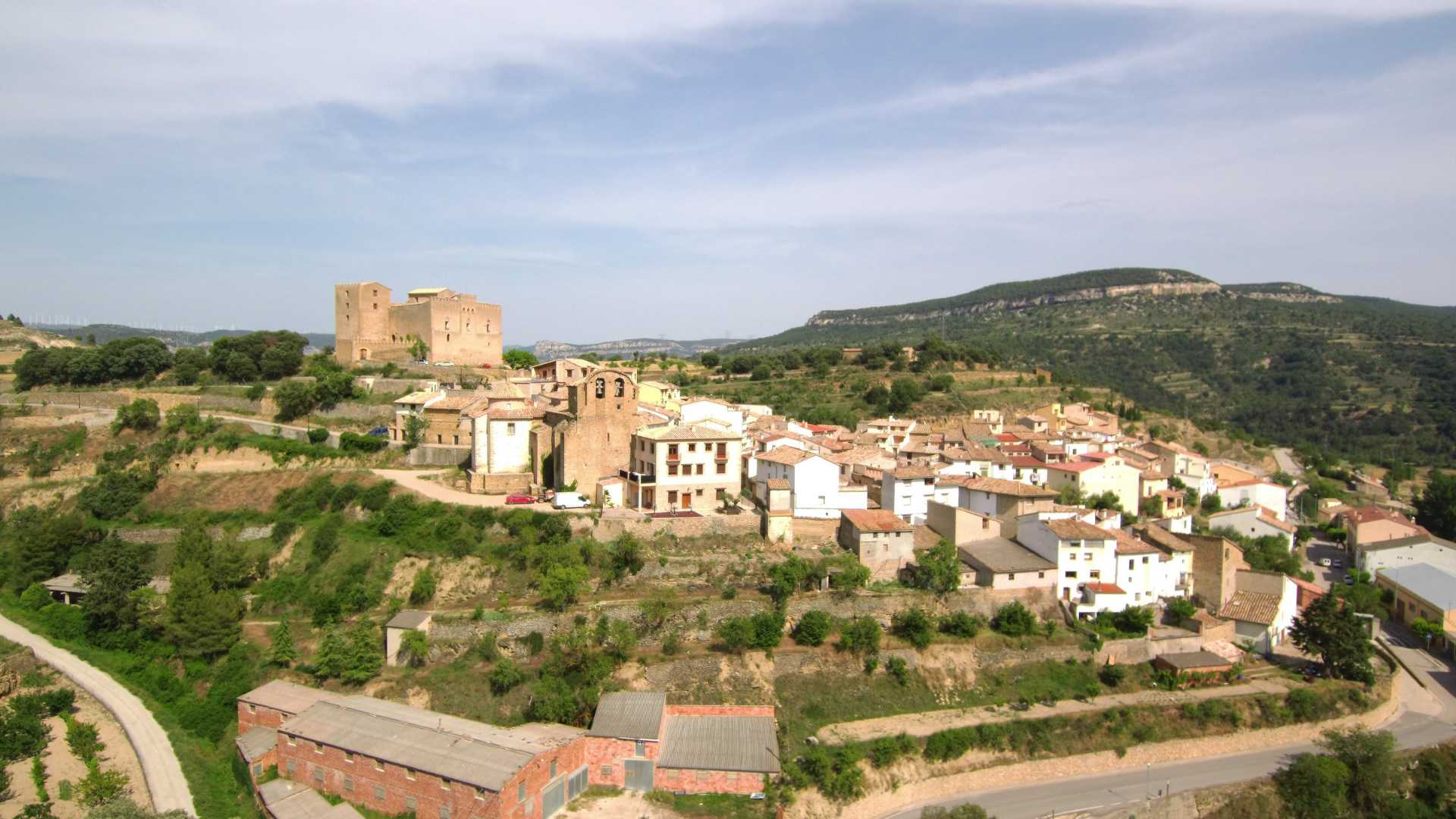
Castillo de Todolella, Todolella Castle, located in the province of Castellón, is one of the icons of the municipality: make sure you come and take a close-up look. The structure was built for defence purposes and as a manor residence in the 16th century and comprises four structures, sitting around a central patio, where there are different types of rooms.
The mason-built walls of Todolella Castle are topped with merlons, thanks to a recent restoration project.
We would highly recommend coming to explore Todolella and its Castle as well as the extensive historic heritage sites you will find in this part of Els Ports county. You will be surprised by the bridges, chapels and the abandoned hamlet of Sarañana, where you will have the opportunity to take some incredible photographs. The Traditional Historical Centre of Todolella, which is documented in the 9th century, will take you on a journey back in time, as will the castle. Make sure you don’t miss this history-steeped part of the Region of Valencia and the local traditions.

The traditional historic centre of Todolella takes you back to Mediaeval times. Soak up the history of this town located in Els Ports county in Castellón by going for a wander and admiring the historic streets and buildings. Records show that the settlement was occupied as long ago as in the 11th century. On arrival, you’ll find the small town sitting on top of a hill, crowned by an ancient castle and surrounded by idyllic scenery that is great for exploring on foot. The traditional historic centre of Todolella is home to many distinguishing buildings, let’s start with the castle. Dating back to the 14th century but with parts even a century older, it’s the main feature of Todolella’s skyline. Next stop on your tour around the small but fascinating traditional historic centre of Todolella is San Bartolomé Apóstol Parish Church, a Romanesque building from the 13th century which has been added to over the centuries, expanding with the years. The town hall built around the 16th century is next on the list. You’ll love the dramatic arch which serves as the porch for the main square. Come and explore this town and its historic centre on a mini-break to the region.
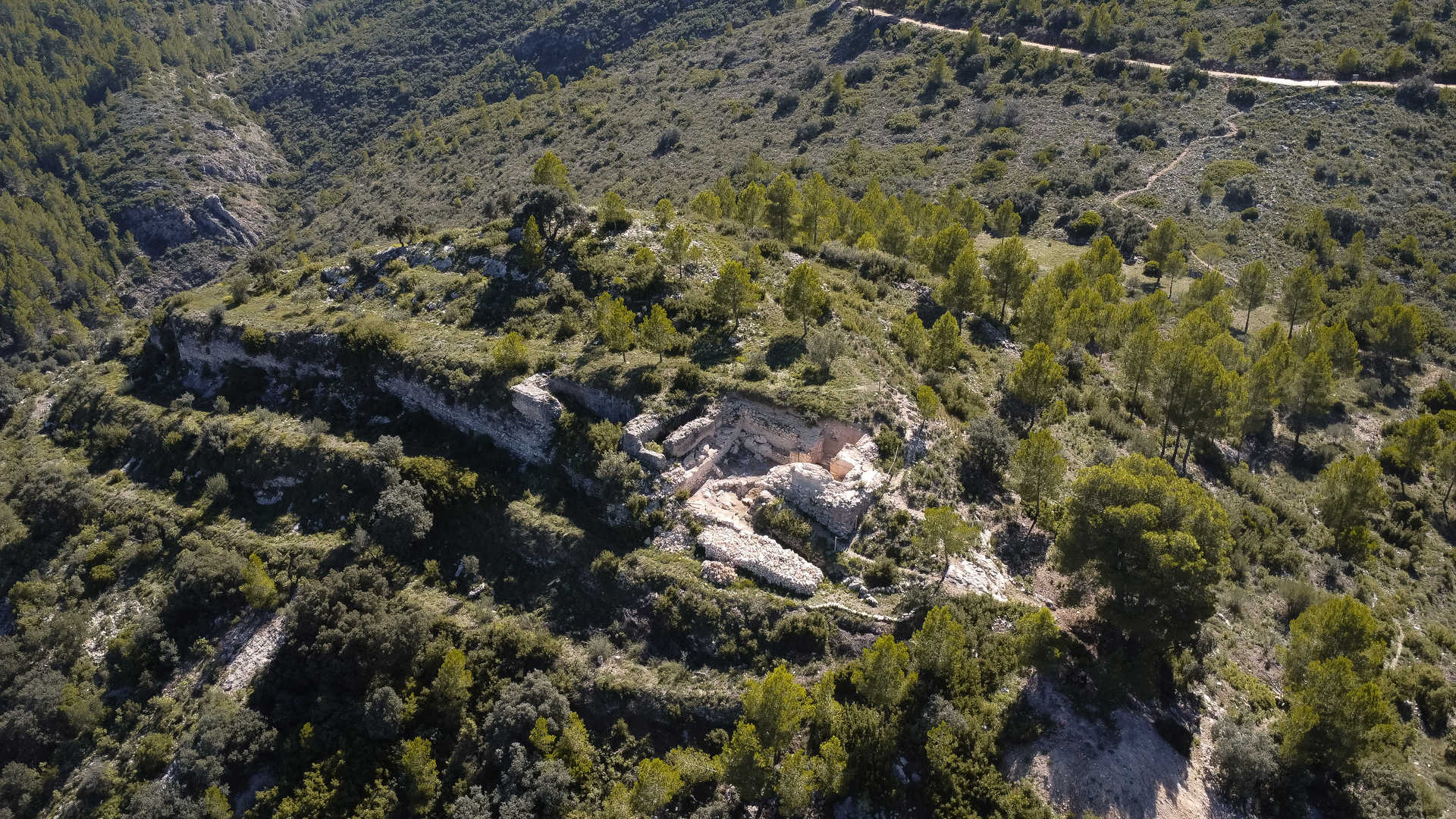
Castillo de la Carbonera, La Carbonera Castle in Beniatjar, located in La Vall d'Albaida in the province of Alicante, is a fortress that you absolutely have to go and see. The castle sits in the midst of the beautiful mountain scenery of Sierra del Benicadell and although only ruins remain, it is absolutely worth a visit.
Today, the remains of La Carbonera Castle curtain wall, the ruins of the tower and a cistern – dating back to the al-Andalus period – are still standing. In the 13th century, its heyday, the castle was the epicentre of a domain that embraced Bèlgida, Beniatjar, Otos and other nearby municipalities. It is also on the wonderful Way of El Cid.
To visit La Carbonera Castle, you’ll need to walk a not-too difficult trail that is 3.5km from Beniatjar. You'll find a number of surprises along the way. Between Beniatjar and La Carbonera Castle, there are some examples of rock art which you can either see on a guided tour or view from slightly more of a distance through the railings put up to protect it. This is a wonderful idea for a day out in the great outdoors. So how about it? Fancy coming to visit this magnificent monument?

Iglesia Vieja de los Desamparados, Los Desamparados Old Church in Les Coves de Vinromà, Castellón, sits atop the town's historic centre, on a hill overlooking the river valley.
In Gothic style with Renaissance elements, this former parish church dates back to the 9th century, originally built as an Arab mosque with pointed conopial arches and facing Mecca.
Los Desamparados Old Church still retains features like beams from the original wooden ceiling and a beautiful 14th-century Gothic-flowered doorway. It was damaged during the Spanish Civil War, later renovated in the 1960s, and fully restored between 1986 and 1988.
Today, it hosts cultural events and houses the town’s Information Centre, where visitors can explore the destination's fascinating history. A remarkable spot where the past and present come together.
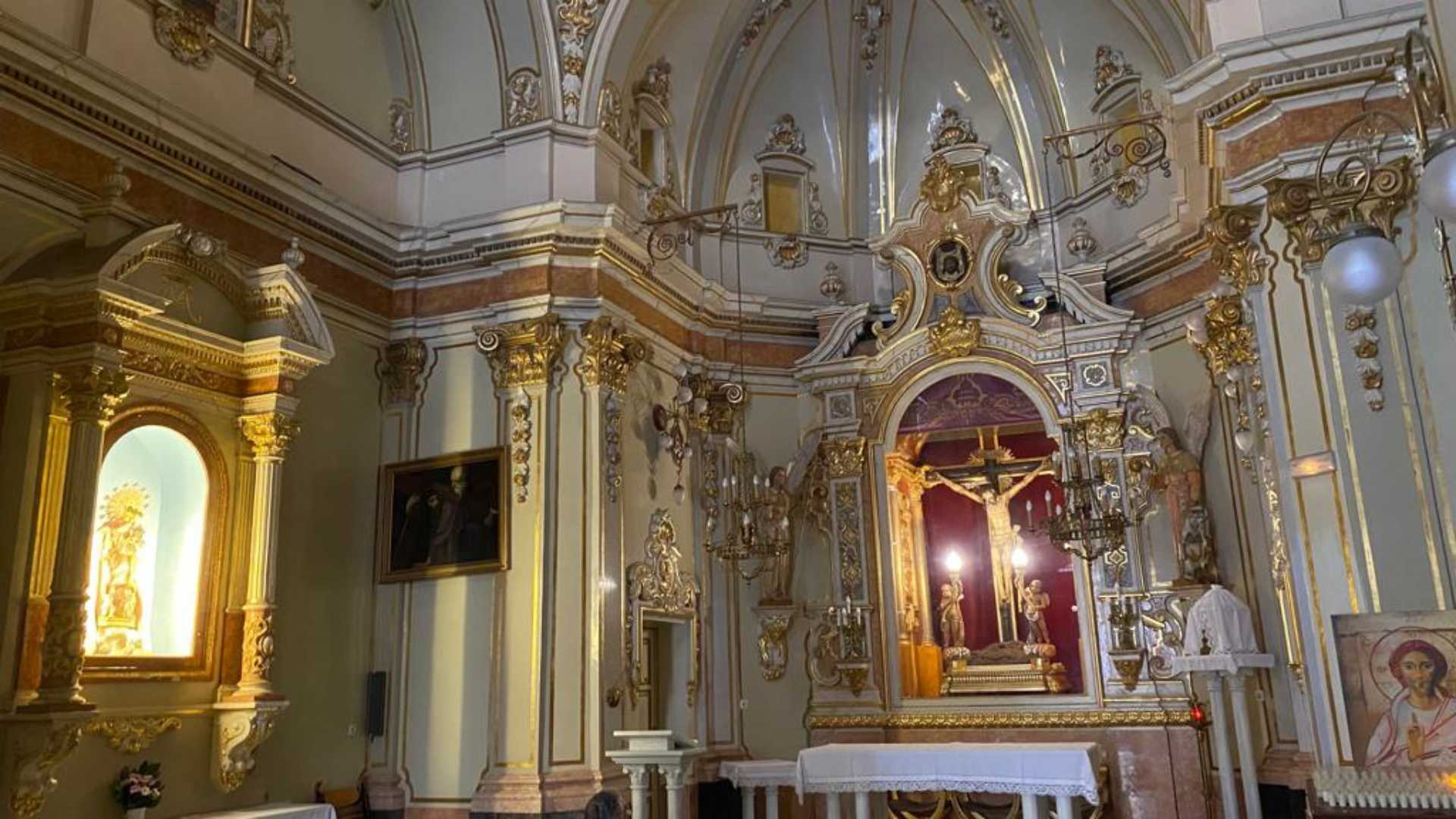
Built around the middle of the 18th century thanks to contributions from local residents, Iglesia de l’Hospitalet, l’Hospitalet Church, is a Baroque church in Sueca, Valencia, linked to the town’s former hospital. Be sure to include it in your visit.
Things to see at l’Hospitalet Church in Sueca
With a rectangular layout, a single nave and chapels set between buttresses, l’Hospitalet Church is especially notable on the outside for its pitched roof covered with traditional Arabic tiles and its dome decorated with white and blue ceramic tiles.
Inside, the transept is crowned by a dome on pendentives decorated with symbols of the Passion. The presbytery houses a carved wooden image of Cristo del Hospital, flanked by figures of Santa Lucía and San Andrés, as well as altars and sculptures dedicated to San Blas and the Virgen de la Soledad.
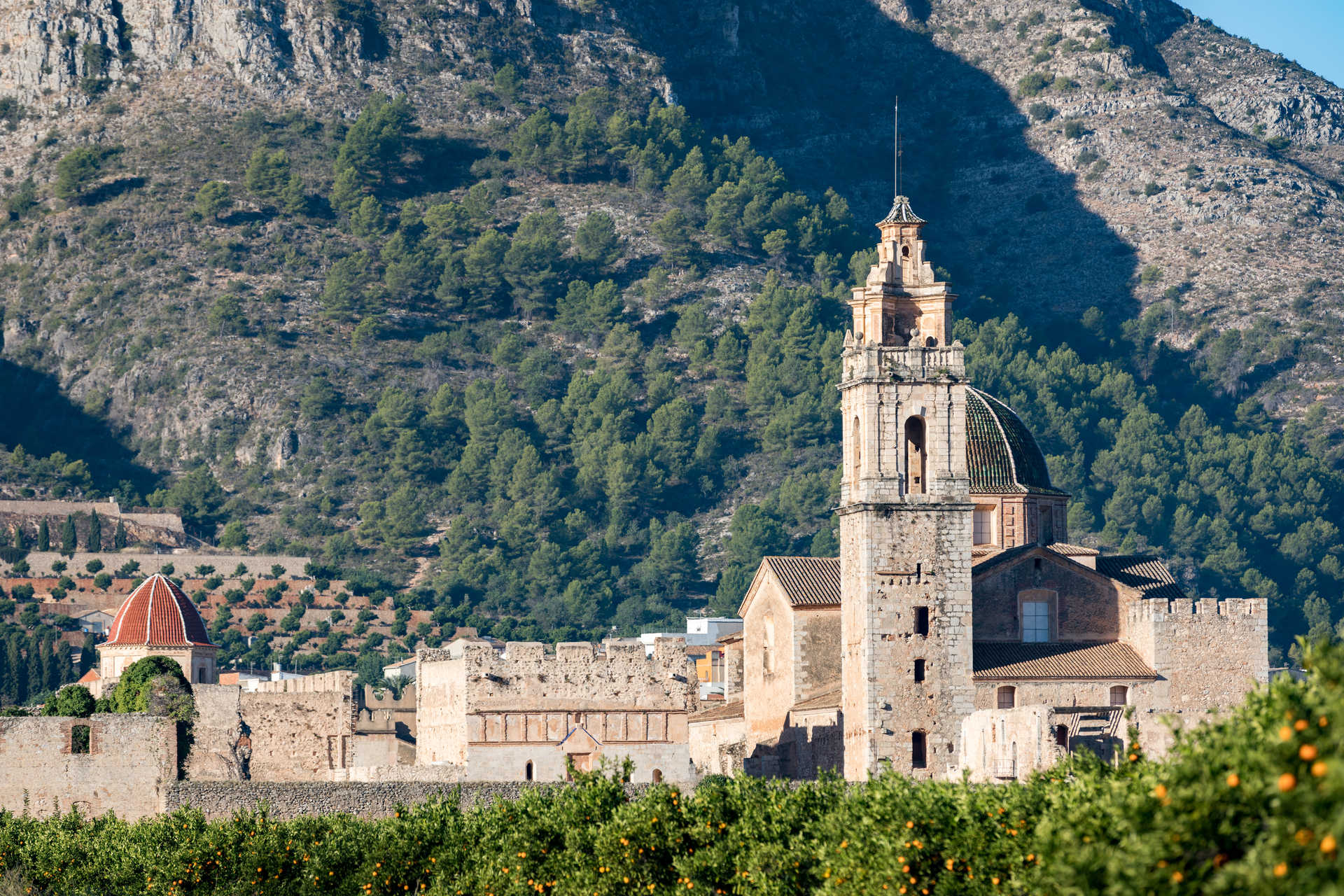
If you appreciate the beauty of the region's heritage, you must visit Simat de la Valldigna. This municipality in the region of La Safor is home to the Royal Monastery of Santa María de la Valldigna, a religious building with 8 centuries of history; it was founded in 1298 by Jaume II, "The Just," King of the Crown of Aragon.
Since then, the monastery has been extended and remodelled several times. In the 14th century, the complete structure of the complex was formed, with the cloister as the centre according to the canons of the Cistercian order and following the precepts of Gothic architecture. After an earthquake in 1644, a final major renovation took place, with new or completely rebuilt Baroque-style buildings.
The result is a large monastery with many parts to visit. In addition to its cloister, the central element of the architecture, you can see the Church of Santa María, the best preserved building of the whole complex. Its olive oil mill has been restored and converted into a multi-purpose hall, while rooms such as the Chapter House or the Abbot's Palace take us back to distant times and allow us to imagine what life was like within its walls.
Santa María de la Valldigna is open to the public and organises free guided tours for individuals on Saturday and Sunday mornings. Take the opportunity to tour the monastery and soak up its history; it's everyone's responsibility to care for and value our heritage.



Come back

- Cookies policy
- Disclaimer
- Contact
- Accessibility
-
© Turisme Comunitat Valenciana, 2026.
All rights reserved.